
Mar . 24, 2026 02:35 Back to list
Comprehensive Guide to Durable and Versatile Galvanized Wire Screen Solutions
Galvanized Wire Screen: A Comprehensive Guide
When selecting the right screening material for various applications, galvanized wire screen stands out for its durability, corrosion resistance, and versatility. This article will explore the features, benefits, and applications of galvanized wire screen, providing a thorough overview for homeowners, contractors, and DIY enthusiasts. Understanding its properties and uses can help you make an informed decision for your next project.
Understanding Galvanized Wire Screen
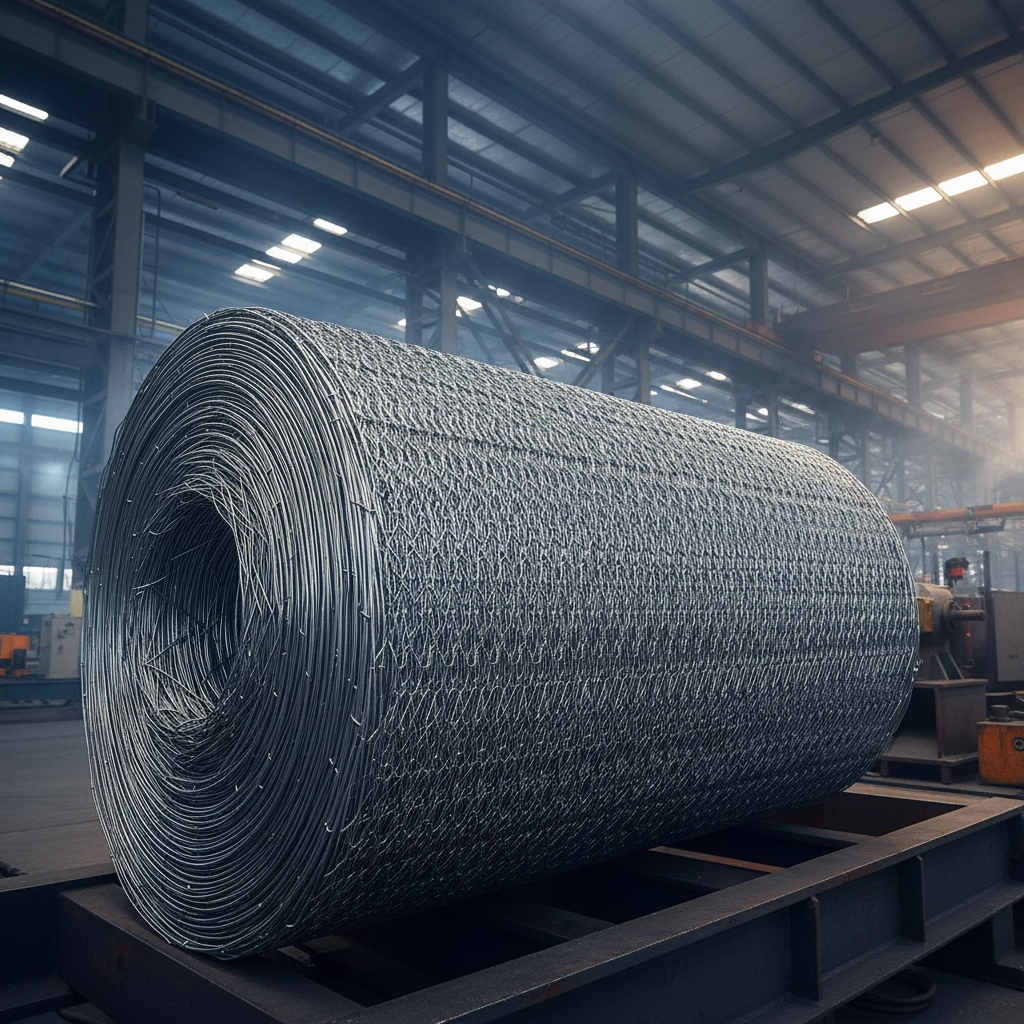
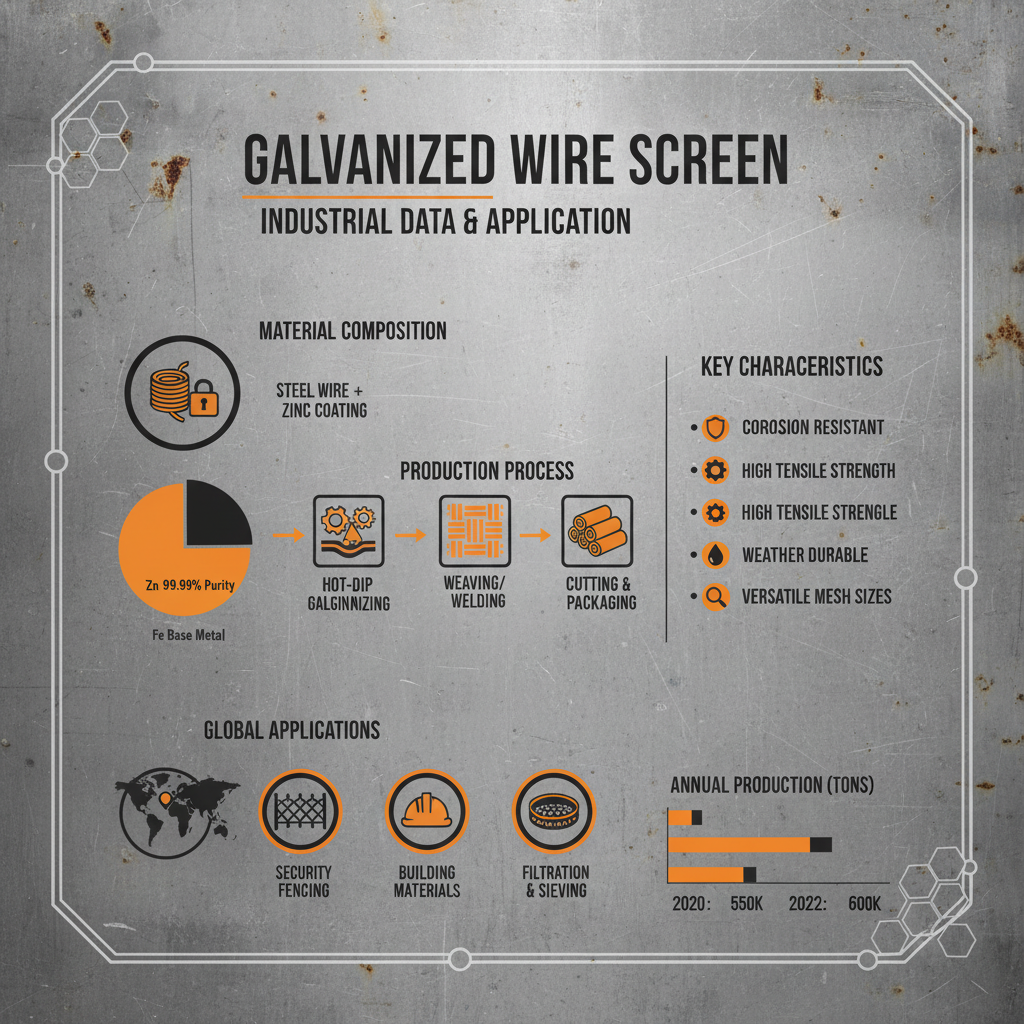
Galvanized wire screen is constructed from steel wire that has been coated with a layer of zinc through a process called galvanization. This zinc coating acts as a protective barrier, preventing rust and corrosion, even when exposed to the elements. The screen is typically woven into a mesh pattern, with varying mesh counts determining the size of the openings. Common applications include insect screening for windows and doors, gutter guards, animal containment, and crafting projects. The strength and longevity of galvanized wire screen make it a cost-effective solution for both indoor and outdoor needs. You can explore various sizes and mesh counts at Hardwareinstore.com.
Key Benefits: Excellent corrosion resistance, durable and long-lasting, versatile for various applications, readily available, and cost-effective.
Common Applications of Galvanized Wire Screen
The versatility of galvanized wire screen makes it suitable for a wide range of projects. As insect screening, it effectively keeps mosquitoes, flies, and other pests out of your home while allowing airflow. Gutter guards made from galvanized wire screen prevent leaves and debris from clogging your gutters, reducing the risk of water damage. Farmers and hobbyists often use it for animal containment, creating secure enclosures for poultry, rabbits, and other small animals. Furthermore, it’s a popular material for crafting, DIY projects, and even as a base for plastering. The possibilities are nearly endless!
Typical Uses:
• Insect Screening for Windows & Doors
• Gutter Guards
• Animal Enclosures
• DIY Crafts & Projects
Galvanized Wire Screen: Mesh Counts and Wire Gauges
Understanding mesh counts and wire gauges is crucial when selecting the appropriate galvanized wire screen for your project. Mesh count refers to the number of openings per inch, while wire gauge indicates the thickness of the wire. A higher mesh count means smaller openings, providing finer filtration or pest control. A lower wire gauge indicates thicker wire, resulting in a more robust and durable screen. Here's a comparison:
Comparing Galvanized Steel to Other Screening Materials
While various screening materials are available, galvanized steel offers unique advantages. Aluminum screening is lightweight and rust-resistant but less durable than galvanized steel. Fiberglass screening is also rust-proof but can sag over time and doesn’t offer the same level of protection against determined pests. Stainless steel screening offers exceptional corrosion resistance but is significantly more expensive than galvanized steel. Here's a brief comparison:
Installation Tips for Galvanized Wire Screen
Installing galvanized wire screen is a straightforward process. Start by carefully measuring the area you need to cover. Cut the screen slightly larger than the opening, allowing for overlap. Use a spline roller tool to secure the screen into the frame, ensuring a tight and even fit. Proper installation prevents gaps and ensures effective pest control. For larger projects, consider using a screen installation kit for convenience. You'll find all the tools you need available at Hardwareinstore.com.
Conclusion: A Durable and Versatile Screening Solution
Galvanized wire screen remains a top choice for its durability, corrosion resistance, and affordability. Whether you're protecting your home from insects, safeguarding your gutters, or creating animal enclosures, this versatile material offers a reliable and long-lasting solution. Explore the wide selection of galvanized wire screen available at Hardwareinstore.com to find the perfect fit for your next project.
Frequently Asked Questions (FAQs)
How long will galvanized wire screen last?
The lifespan of galvanized wire screen depends on the environment and exposure to corrosive elements. However, the zinc coating provides excellent protection against rust and corrosion, typically lasting 10-20 years, and even longer in less harsh conditions. Regular cleaning to remove dirt and debris can help extend its life. Factors like salt spray (near coastal areas) and acidic rain can accelerate corrosion. Inspecting the screen annually for any signs of deterioration is recommended.
Can I paint galvanized wire screen?
Yes, you can paint galvanized wire screen, but proper preparation is essential. First, thoroughly clean the screen to remove any dirt, oil, or grease. Next, apply a zinc-rich primer specifically designed for galvanized metal. This primer promotes adhesion and prevents rust. Finally, apply a high-quality exterior paint in your desired color. Avoid using oil-based paints, as they may not adhere well to the zinc coating.
Is galvanized wire screen safe for animal enclosures?
Generally, galvanized wire screen is safe for animal enclosures, but it's important to choose a mesh size appropriate for the animals you are containing. Smaller mesh sizes prevent escapes and protect against predators. Ensure the wire edges are smooth to prevent injuries to the animals. Avoid using galvanized wire screen for enclosures housing animals that may ingest the zinc coating, as it can be harmful in large quantities. For such animals, consider using stainless steel or plastic mesh.
-
The Ultimate Guide to Hardware Cloth 1x1 Versatility and Strength
NewsApr.16,2026
-
Ultimate Guide to hardware cloth 1 4 mesh for Strength and Versatility
NewsApr.09,2026
-
Comprehensive Guide to Hardware Cloth 1/4 Inch Mesh for Versatile Applications
NewsApr.07,2026
-
Comprehensive Guide to Hardware Cloth 1 2 Inch Mesh 36 Applications and Benefits
NewsApr.04,2026
-
Comprehensive Guide to Gi Wire Mesh for Fencing and Its Applications
NewsMar.31,2026
-
Comprehensive Guide to GI Square Mesh Applications and Benefits
NewsMar.28,2026