
Mar . 11, 2026 02:25 Back to list
Choosing the Best Galvanized Wire Garden Fence for Your Protection Needs
Choosing the Right Galvanized Wire Garden Fence
Protecting your garden from pests, pets, and unwanted intrusions requires a robust and reliable fencing solution. A galvanized wire garden fence provides an excellent balance of affordability, durability, and ease of installation. This article will guide you through the benefits of galvanized wire fencing, various types available, installation tips, and considerations for choosing the best fence for your needs. Investing in the right fence will protect your plants and provide peace of mind.
Understanding Galvanized Wire: Why it Matters
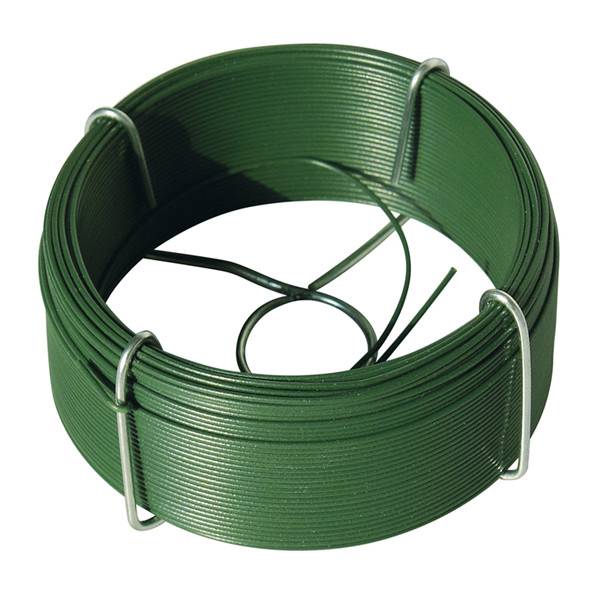
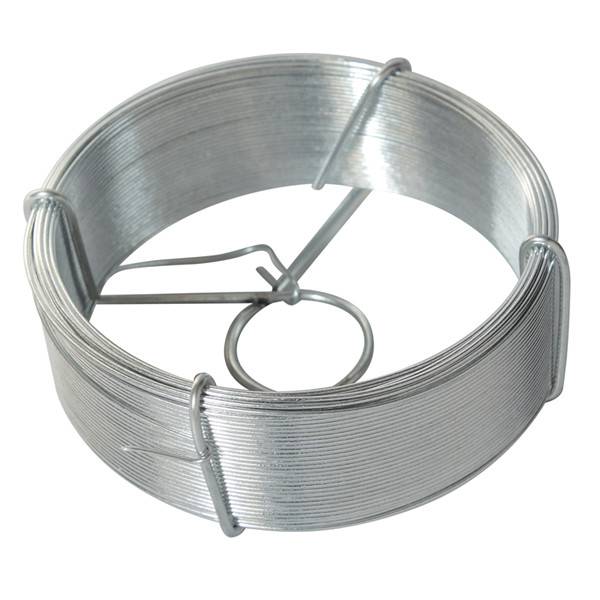
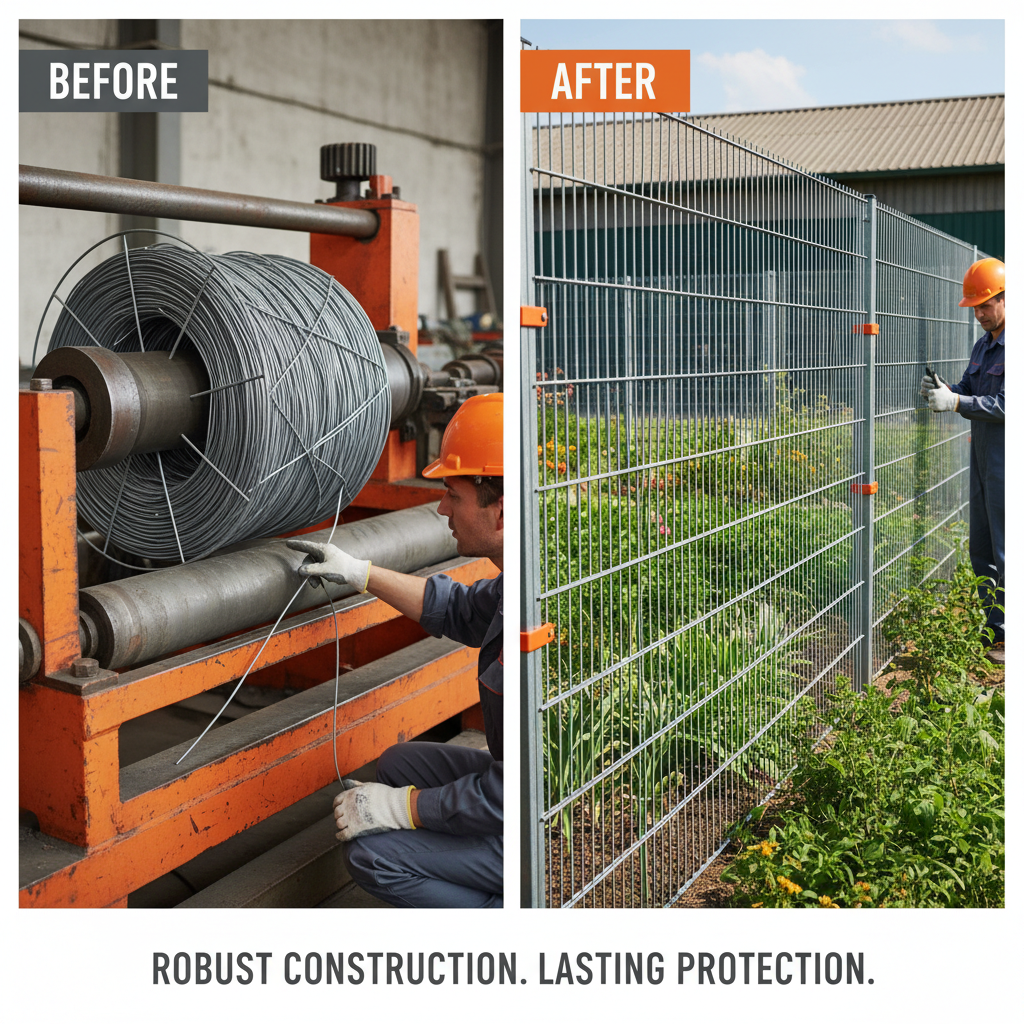
The key to a long-lasting garden fence is the material. Galvanized wire is steel that has been coated with a layer of zinc. This zinc coating provides superior corrosion resistance, preventing rust and extending the life of the fence, even in harsh weather conditions. This is crucial because traditional steel wire can quickly degrade when exposed to moisture and soil. A galvanized wire fence is a cost-effective way to ensure years of reliable service.
Key Benefit: Galvanization drastically increases the lifespan of the wire, reducing the need for frequent replacements and saving you money in the long run.
Types of Galvanized Wire Garden Fence
Galvanized wire garden fences come in several varieties, each suited to different needs. Common types include:
- Welded Wire Fence: Features wires welded together at each intersection, creating a rigid and durable panel. Excellent for containing pets and deterring larger animals.
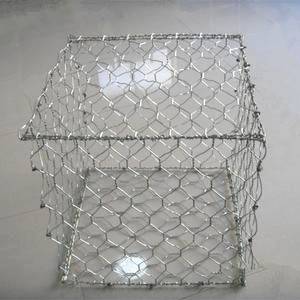
- Chicken Wire: A lighter-weight option with a hexagonal mesh. Best suited for keeping out smaller pests like rabbits and birds, but less effective against larger animals.
- Hexagonal Netting: Similar to chicken wire but often heavier gauge and more durable.
- Field Fence: Designed for larger areas, featuring graduated spacing between wires to contain livestock and protect property.
Fence Type Comparison:
• Welded Wire: High strength, good for pets.
• Chicken Wire: Lightweight, best for smaller pests.
• Hexagonal Netting: Durable, versatile.
• Field Fence: Large areas, livestock.
Galvanized Wire Garden Fence: Mesh Size and Height Considerations
Choosing the right mesh size and height is critical for effective pest control and security. Smaller mesh sizes are necessary to keep out rabbits and other small animals. Taller fences are required to deter deer or larger intruders. Consider the specific threats in your area when making your selection. A garden fence should effectively address your specific needs.
Installing Your Galvanized Wire Garden Fence
Installing a galvanized wire garden fence is a relatively straightforward DIY project. Here's a basic overview:
- Plan Your Layout: Mark the perimeter of your garden.
- Install Posts: Space posts 8-10 feet apart and securely set them in the ground.
- Attach the Wire: Secure the wire to the posts using staples, wire ties, or tension bands.
- Tension the Wire: Pull the wire taut to create a secure barrier.
- Secure the Bottom: Bury the bottom edge of the fence or add landscape fabric to prevent animals from digging underneath.
Maintaining Your Galvanized Wire Fence
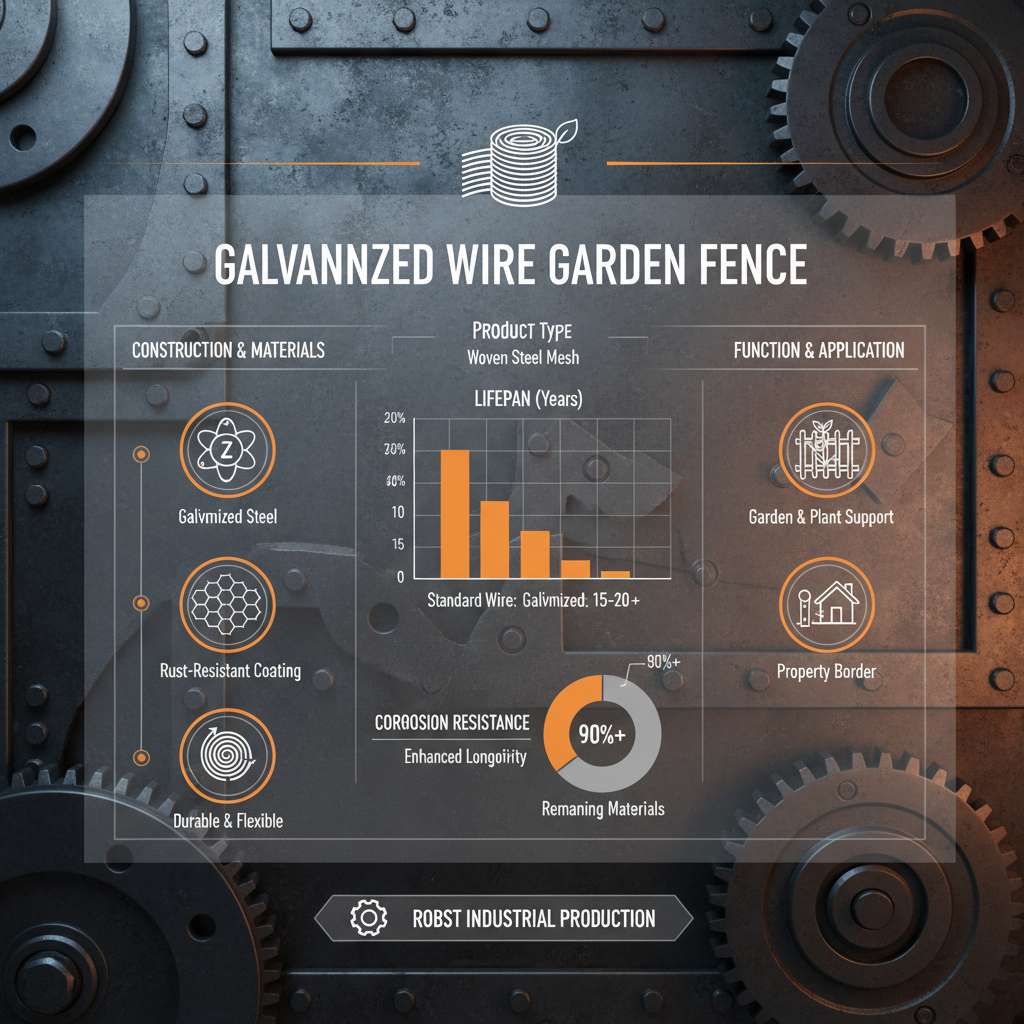
While galvanized wire is corrosion-resistant, regular maintenance will extend its lifespan. Inspect the fence annually for any signs of damage, such as broken wires or loose staples. Repair any damage promptly. Removing vines and debris that accumulate on the fence will also help prevent corrosion. Consider applying a protective coating every few years to further enhance its durability. Visit Hardware In Store for a variety of galvanized wire fence options and accessories.
Conclusion: Protecting Your Garden with a Reliable Fence
A galvanized wire garden fence is a practical and cost-effective solution for safeguarding your garden. By choosing the right type of wire, mesh size, and height, and following proper installation and maintenance practices, you can enjoy a beautiful and protected garden for years to come.
Frequently Asked Questions (FAQs)
What is the expected lifespan of a galvanized wire garden fence?
The lifespan of a galvanized wire garden fence typically ranges from 10 to 20 years, depending on the quality of the galvanization, the climate, and maintenance. Areas with high humidity or saltwater exposure may experience faster corrosion. Regular inspection and maintenance, such as cleaning and applying protective coatings, can significantly extend the fence’s life. Higher gauge wire will also generally last longer. The Hardware In Store offers a variety of quality galvanized wire options designed for long-lasting performance.
Can I paint over galvanized wire?
Yes, you can paint over galvanized wire, but proper preparation is crucial. The smooth surface of galvanized wire doesn't readily accept paint. You’ll need to first etch the surface with a galvanized metal primer. This creates a rougher surface for the paint to adhere to. Use a high-quality exterior paint designed for metal surfaces to ensure long-lasting protection and aesthetics.
What tools do I need to install a galvanized wire fence?
Essential tools include: post hole digger, fence posts, wire cutters, staple gun (with staples designed for wire), tension wrench or stretcher, measuring tape, gloves, and safety glasses. For larger projects, a powered post driver can save significant time and effort. Hardware In Store stocks all the tools and materials you’ll need for a successful fence installation.
How can I prevent animals from digging under the fence?
Several methods can prevent animals from digging under your fence. Burying the bottom edge of the fence 6-12 inches deep is effective. You can also attach hardware cloth or chicken wire to the bottom of the fence and extend it outward, creating an underground barrier. Another option is to lay down rocks or gravel along the base of the fence to discourage digging.
-
The Ultimate Guide to Hardware Cloth 1x1 Versatility and Strength
NewsApr.16,2026
-
Ultimate Guide to hardware cloth 1 4 mesh for Strength and Versatility
NewsApr.09,2026
-
Comprehensive Guide to Hardware Cloth 1/4 Inch Mesh for Versatile Applications
NewsApr.07,2026
-
Comprehensive Guide to Hardware Cloth 1 2 Inch Mesh 36 Applications and Benefits
NewsApr.04,2026
-
Comprehensive Guide to Gi Wire Mesh for Fencing and Its Applications
NewsMar.31,2026
-
Comprehensive Guide to GI Square Mesh Applications and Benefits
NewsMar.28,2026