
Nov . 29, 2025 16:30 Back to list
Building Wire Mesh Fence: Durable, Scalable Security Solutions for Modern Projects
Building Wire Mesh Fence: What You Need to Know
If you’ve ever passed a construction site or a public park, chances are you spotted a wire mesh fence. It’s one of those omnipresent structures that quietly serve a critical role, yet rarely get the spotlight. Simply put, building wire mesh fence installations are essential for safety, security, and boundary definition across countless industries worldwide. But why has this relatively straightforward fencing solution become so widely adopted globally? And what makes it such a reliable choice in evolving industrial and humanitarian needs?
Well, to put it plainly, understanding building wire mesh fence systems is about more than just knowing your galvanized steel from mild steel. It's about grasping how small decisions on materials, construction techniques, and design elements help solve big problems — from urban safety to post-disaster rebuilding.
Global Context: Why Building Wire Mesh Fence Matters Today
In today's interconnected world, secure, versatile, and cost-effective fencing solutions are in greater demand than ever. Data from the United Nations suggests that by 2050, urban populations will swell by nearly 2.5 billion people, intensifying the need for controlled, safe environments. Meanwhile, the World Bank highlights increased infrastructure projects worldwide, especially in developing regions, putting wire fencing front and center for boundary security and public safety.
However, a significant challenge exists: rapidly deployable, durable fencing that can adapt to diverse environments—from desert industrial zones to flood-prone regions—without exhausting budgets or requiring specialized skills for installation. This is exactly the niche building wire mesh fences fill, addressing both the security and flexibility needs with surprising simplicity.
What Exactly Is Building Wire Mesh Fence?
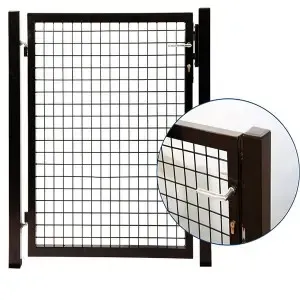
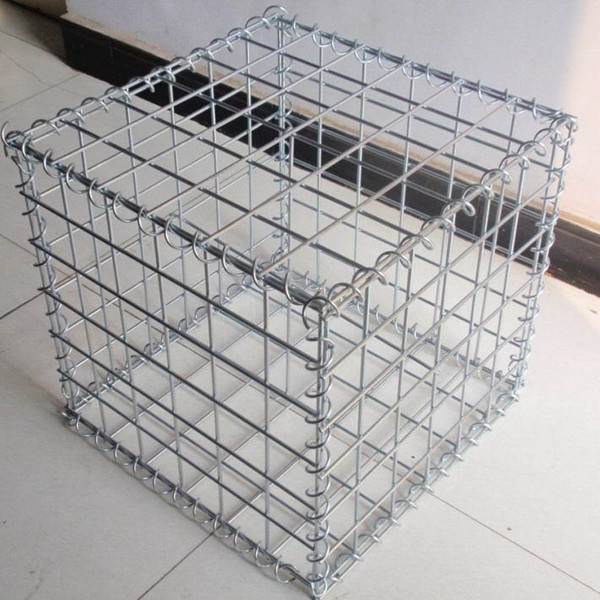
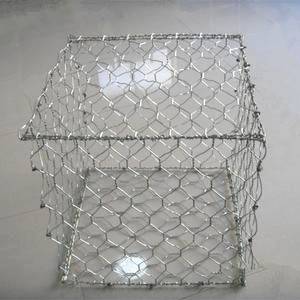
At its core, a building wire mesh fence is a barrier constructed using welded or woven wire meshes, combined with support posts and fixings. The mesh generally consists of galvanized steel or stainless steel wires arranged in a grid pattern, providing strength and visibility. Unlike solid panel fencing, wire mesh fences balance protection with airflow and light penetration.
These fences resonate profoundly in modern industry because they’re not just about marking territory but facilitating safety, monitoring, and sometimes even ecological conservation. Nonprofits and government agencies often use wire mesh fences to secure refugee camps or post-disaster shelters, where timely assembly and modularity can mean the difference between chaos and order.
Key Components to Consider
1. Durability
Most building wire mesh fences are galvanized or PVC-coated to resist corrosion, especially in wet or salty environments. Durability ensures the fence serves its function for years without costly repairs, a must for industrial sites or coastal regions.
2. Scalability
One of the biggest appeals is how easy it is to expand or modify sections. Modular panels can be added or removed with minimal disruption, perfect for growing construction sites or changing public spaces.
3. Cost Efficiency
Compared to masonry walls or tall security palisades, wire mesh fences offer a budget-friendly yet effective alternative. Materials and installation typically require less time and fewer specialized tools.
4. Safety and Visibility
The open mesh design provides clear sightlines, which enhances security monitoring and reduces blind spots—important factors in schools, parks, or industrial complexes.
5. Environmental Friendliness
Wire mesh fences often use recyclable metals and require less raw material than solid barriers, aligning well with sustainable building practices.
Real-World Applications Around the Globe
Building wire mesh fences find homes in a surprisingly broad array of contexts:
- Urban infrastructure: Around metros and airports to manage pedestrian flow and secure sensitive zones.
- Industrial sites: Factories and warehouses use these fences to define property lines and protect workers from hazards.
- Agricultural zones: Protecting crops and livestock, while allowing air circulation essential for healthy growth.
- Humanitarian relief: NGOs employ modular fencing after natural disasters to create safe zones quickly.
- Wildlife conservation: Used in reserves to minimize human–animal conflicts but maintain natural visuals.
For example, in the aftermath of the 2015 Nepal earthquake, relief agencies installed wire mesh fencing around temporary shelters to ensure security and maintain a modicum of privacy — all within days. Similarly, mining operations in Australia use robust building wire mesh fence setups to keep operations secure in remote, tough conditions.
Mini Takeaway:
Whatever the geography or industry, building wire mesh fences balance adaptability, protection, and economy, making them a true workhorse solution.
Advantages and Long-Term Value of Wire Mesh Fencing
Let’s be honest, a fence is just a fence, right? Not quite. There’s real value here, spanning tangible and intangible benefits:
- Cost-effective deployment: Quick installation minimizes downtime and labor costs.
- Sustainability: Recyclable materials reduce environmental footprints, and coating technologies extend life spans.
- Trust & safety: Clear visibility enables peace of mind for workers, residents, and visitors alike.
- Innovation-friendly: Compatible with security tech like cameras or smart sensors, future-proofing sites.
- Social impact: In shelters or camps, these fences provide dignity by defining personal space.
Product Specification Table
| Feature | Standard Model | Heavy-Duty Model |
|---|---|---|
| Material | Galvanized steel wire, 2.5 mm diameter | PVC-coated steel wire, 4 mm diameter |
| Mesh Size | 50 mm x 50 mm | 30 mm x 30 mm |
| Height | 1.8 m | 2.4 m |
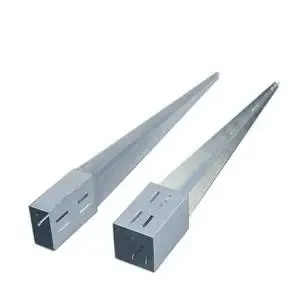
| Post Type | Round steel posts with baseplates | Square reinforced posts with concrete footings |
| Corrosion Resistance | 10-year warranty | 15-year warranty |
Vendor Comparison: Top Building Wire Mesh Fence Suppliers
| Vendor | Material Quality | Installation Support | Pricing | Delivery Lead Time |
|---|---|---|---|---|
| FenceCo Industries | High-grade galvanized steel | Full site installation | $$$ | 2 weeks |
| MeshLine Solutions | PVC-coated steel options | Remote guidance only | $$ | 1 week |
| Global Fencing Corp. | Custom alloy blends | Onsite training included | $$$$ | 3 weeks |
Looking Ahead: Future Trends in Building Wire Mesh Fencing
As with many construction elements, wire mesh fencing isn't immune to innovation. Industry leaders are working on integrating smart sensors directly into mesh structures for real-time perimeter alerts. Nano-coatings to enhance corrosion resistance and reduce maintenance costs are also emerging. Plus, greener manufacturing processes mean production’s environmental impact is steadily shrinking.
Oddly enough, the push for digital transformation is even evidenced here—combining physical security with IoT technologies ensures wire mesh fences aren’t just static barriers but parts of intelligent security ecosystems.
Challenges and Solutions
Of course, no solution is perfect. The main concerns with wire mesh fences revolve around potential vandalism and the fact they offer less privacy than solid barriers. For sensitive zones, combining fencing with landscaping or additional paneling may help. Installation in uneven or rocky terrain sometimes demands custom foundations, so planning ahead is vital.
Innovations in modular post systems and lightweight synthetic mesh materials are helping to mitigate these challenges by simplifying installation and enhancing durability.
FAQ: Your Questions Addressed
Q1: How long does a typical building wire mesh fence last outdoors?
A galvanized or PVC-coated wire mesh fence usually lasts 10–15 years, depending on environmental exposure. Coastal or industrial areas may shorten lifespan unless premium materials are selected.
Q2: Can wire mesh fences be customized for security levels?
Absolutely. Mesh size, wire diameter, and coating can be tailored. For high-security needs, tighter mesh patterns and reinforced posts are often implemented.
Q3: Are these fences easy to install for a small business?
Most building wire mesh fence systems are designed for relatively simple installation, sometimes even DIY-friendly. However, larger installations are better handled by professionals to ensure stability.
Q4: Can wire mesh fences be recycled once they are decommissioned?
Yes. Most are made of steel, which is highly recyclable. This aligns well with sustainable construction goals.
Q5: How does wire mesh fencing contribute to environmental safety?
They promote airflow and reduce habitat disruption compared to solid walls. In conservation areas, they allow animals to see out and avoid collisions, supporting coexistence.
Wrapping Up: Why Building Wire Mesh Fence Is a Smart Investment
Thinking about the big picture, building wire mesh fence systems offer a durable, cost-conscious, and eco-friendly option to secure and define spaces in a dynamic world. They marry practicality with scalability and serve in far-flung corners as well as busy city centers. If your project requires a fencing solution that’s proven, adaptable, and ready for future tech integration, this is an avenue well worth exploring.
Feel free to explore options and dive deeper into materials and installation techniques at our website. There’s a wire mesh fence just waiting for your next big project.
Mini Takeaway:
Balancing utility, longevity, and sustainability, building wire mesh fences remain a key player in secure infrastructure worldwide.
References
-
The Ultimate Guide to Hardware Cloth 1x1 Versatility and Strength
NewsApr.16,2026
-
Ultimate Guide to hardware cloth 1 4 mesh for Strength and Versatility
NewsApr.09,2026
-
Comprehensive Guide to Hardware Cloth 1/4 Inch Mesh for Versatile Applications
NewsApr.07,2026
-
Comprehensive Guide to Hardware Cloth 1 2 Inch Mesh 36 Applications and Benefits
NewsApr.04,2026
-
Comprehensive Guide to Gi Wire Mesh for Fencing and Its Applications
NewsMar.31,2026
-
Comprehensive Guide to GI Square Mesh Applications and Benefits
NewsMar.28,2026