
Nov . 29, 2025 14:55 Back to list
Building a Welded Wire Fence: Durable, Cost-Effective Security Solutions
Everything You Need to Know About Building a Welded Wire Fence
Whether you’re a homeowner looking to upgrade your property, a farmer securing livestock, or an industry specialist planning large-scale containment, understanding building a welded wire fence is more important than you might think. Beyond its obvious physical function, this technique offers a blend of strength, flexibility, and cost-efficiency that resonates globally — across agriculture, security, humanitarian assistance, and infrastructure projects.
According to recent ISO standards on fencing solutions ([source](https://www.iso.org)), welded wire mesh installations are setting new benchmarks in durability and sustainability. Plus, the UN’s emphasis on secure shelters in disaster relief scenarios implicitly points to fencing as a critical element ensuring safety and dignity.
The Global Importance of Welded Wire Fencing
Globally, fencing plays a crucial role in everything from farming in sub-Saharan Africa to perimeter security in urban Europe. In fact, fencing market analyses show a steady growth rate of 3.5% annually, driven largely by demand for welded wire types that combine ease of installation with longevity.
But here’s the kicker: many regions face challenges like unclear land boundaries, livestock theft, and unauthorized access in industrial zones. Building a welded wire fence addresses all those, making it a staple in global infrastructure discussions.
Mini takeaway:
- Welded wire fencing is increasingly crucial worldwide for security and agriculture.
- Its versatility and reliability respond to pressing global needs — from crime prevention to disaster relief.
What Is Building a Welded Wire Fence?
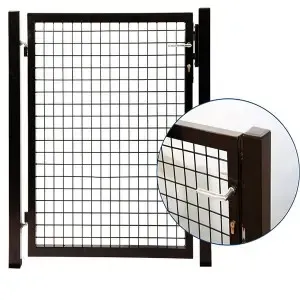
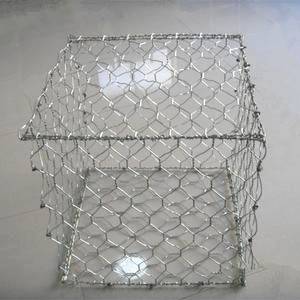
At its simplest, building a welded wire fence means assembling a barrier made from intersecting steel wires that are electrically welded at every junction. This creates a strong mesh that can be tensioned between posts to provide a reliable fence. It’s sort of like a metal grid-scale artwork — functional, yet surprisingly adaptable.
This fencing method has grown beyond its original farmyard roots. Today, it acts as fencing solutions in factories, parks, high-security facilities, and even in humanitarian projects where rapid but sturdy barriers are necessary for safety or privacy.
Core components of the build include:
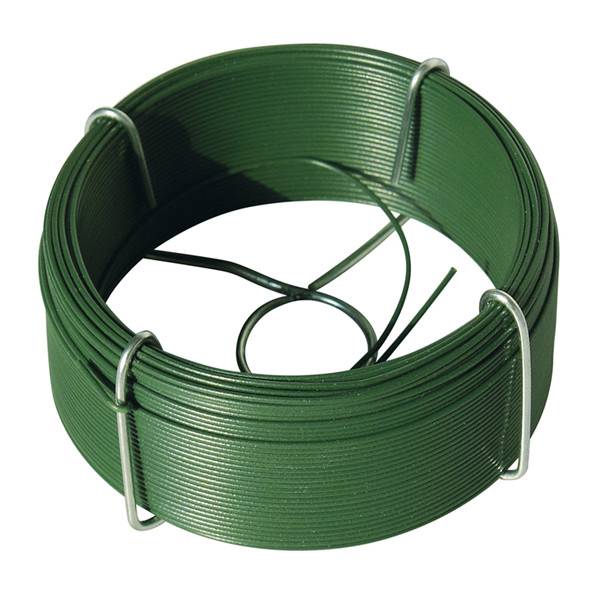
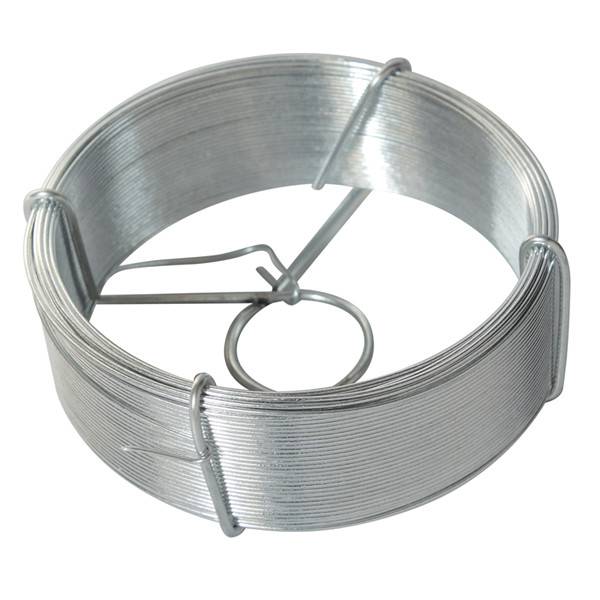
- Steel Wire Mesh: Usually galvanized or PVC-coated to resist corrosion.
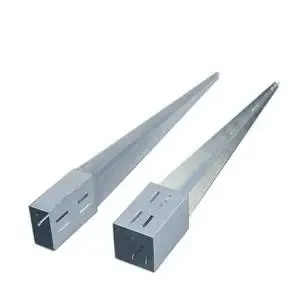
- Posts and Fittings: Strong stakes or poles anchored into the ground.
- Tensioning Tools: To keep the mesh taught and secure.
- Anchors and Fasteners: Bolts, clips, or ties holding everything steady.
Mini takeaway:
- Welded wire fences are metal grids welded for rigidity.
- The setup includes mesh, posts, tensioning, and fasteners — a straightforward yet robust system.
Key Factors When Building a Welded Wire Fence
Durability
Welded wire fences last because the welded joints don’t easily separate or sag — this is way better than twisted wire options. Plus, galvanized coatings fend off rust, extending the fence’s life by decades if well maintained.
Scalability
Whether enclosing a small vegetable garden or spanning hundreds of acres, welded wire fencing adapts well. The mesh is available in different heights and gauges (wire thicknesses), so you pick what suits your project scale and security level.
Cost Efficiency
Compared with solid metal gates or concrete walls, a welded wire fence offers a low upfront cost plus minimal ongoing maintenance. You don’t have to wait and save up for years — a quick project can have you fenced in by the weekend.
Installation Simplicity
Most people underestimate how easy it can be to build a welded wire fence. Basic hand tools, a bit of elbow grease, and a handful of the right fittings are often enough. Professional help can speed things up for larger builds.
Environmental Impact
Choosing coated steel mesh means your fence resists weathering but can be recycled at the end of its life cycle. Many organizations recommend this for sustainable fencing solutions.
Mini takeaway:
- Durability and corrosion resistance make welded wire fencing a long-term investment.
- Flexible sizing, affordable costs, and relatively simple installation are key benefits.
- Environmental sustainability is increasingly a design priority.
Global Applications & Real-World Use Cases
It’s interesting how welded wire fences show up worldwide in totally different contexts:
- Agriculture: From Australian sheep farms to South American cattle ranches, farmers secure their animals and crops.
- Urban Security: Airports in Europe and gated communities in Asia deploy welded wire fencing to define perimeter security while maintaining visibility.
- Disaster Relief: Humanitarian NGOs use these fences to quickly mark off safe zones, camps, or medical areas, especially in post-disaster settings in Africa and Southeast Asia.
- Industrial Sites: Mines and factories benefit from the toughness and ease of repair this fencing provides.
Oddly enough, I once spoke with an aid worker who told me how they built a quick fenced-off clinic during a refugee crisis using pre-welded panels — “in less than a day,” he said, “we had a secure perimeter to protect patients and staff.” That immediacy is critical when lives are at stake.
Mini takeaway:
- From farms to disaster zones, welded wire fences provide security and order.
- The same reliable technology supports vastly different global needs.
Advantages & Long-Term Benefits of Welded Wire Fencing
There’s no shortage of tangible pluses when it comes to building welded wire fences:
- Cost-Effectiveness: Long-lasting fences that don’t break the bank.
- Improved Safety and Dignity: Particularly in humanitarian zones, secure fencing offers privacy and protection.
- Low Maintenance: No need to paint or treat regularly when using galvanized or PVC-coated wire.
- Sustainability: Recyclable materials mean your investment leaves a smaller environmental footprint.
Name me one property or business owner who hasn’t felt more secure after installing a sturdy welded wire fence? It’s a simple way to “sleep better at night” with a real barrier that’s also visually unobtrusive.
Mini takeaway:
- Welded wire fences bring lasting security, dignity, and cost savings.
- Their inherent sustainability and low upkeep appeal to environmentally aware buyers.
Future Trends and Innovations in Welded Wire Fence Building
Like most traditional products, welded wire fencing is evolving. Among emerging trends:
- Smart Fencing: Integration with sensors and IoT devices to detect breaches or damage.
- Eco-Friendly Coatings: Beyond galvanizing, new biodegradable or low-toxic polymer coatings aim to reduce environmental impact.
- Improved Automation: Robotics-assisted installation is beginning to reduce labor costs on large projects.
- Hybrid Materials: Combining metal with stronger yet lighter composites to bring weight down without sacrificing toughness.
It’s fascinating to see how digital transformation and sustainability are shaping even something as “simple” as fencing.
Mini takeaway:
- High-tech sensors and greener materials are the future of welded wire fences.
- Installation robotics hint at soon-to-be-faster, cheaper build times.
Challenges and How to Overcome Them
Of course, no tech is without challenges. Common issues with welded wire fences include:
- Corrosion in harsh environments: Especially salty or acidic soils.
- Installation delays due to uneven terrain.
- Limited privacy: Mesh fences don’t inherently block sightlines.
Experts often recommend:
- Choosing specialized coatings or stainless steel wire for corrosive conditions.
- Pre-leveling or using flexible post bases to adapt to rugged terrain.
- Adding screening plants or vinyl slats for extra privacy if needed.
Mini takeaway:
- Challenges exist but are manageable with the right materials and installation techniques.
- Personalization and adaptability make welded wire fencing a solid option despite limitations.
Product Specification Table
| Specification | Typical Value |
|---|---|
| Material | Galvanized Steel, PVC Coated Option |
| Wire Gauge | 12 to 16 Gauge (2.05 mm to 1.29 mm) |
| Mesh Size | 1" x 1" to 2" x 2" (25.4 mm to 50.8 mm) |
| Fence Height | 3 ft to 8 ft (0.9 m to 2.4 m) |
| Corrosion Resistance | Galvanized Zinc Coating (40-80 microns) |
| Installation Method | Manual or Mechanical Tensioning with Posts |
Vendor Comparison Table
| Vendor | Price per Linear Foot | Warranty | Product Range | Lead Time |
|---|---|---|---|---|
| FenceMakers Inc. | $4.50 | 10 years | Standard & Custom Mesh | 2 weeks |
| SteelSecure Co. | $5.20 | 15 years | Premium Welded Mesh | 3-4 weeks |
| EcoFence Solutions | $4.85 | 12 years | Recycled Material Mesh | 2 weeks |
Frequently Asked Questions About Building a Welded Wire Fence
1. How long does a welded wire fence typically last?
With proper installation and maintenance, galvanized welded wire fences can last over 15 to 20 years, especially if using coated or PVC-covered wire. Choosing the right materials suited to your local environment helps maximize lifespan.
2. Can I build a welded wire fence myself?
Yes! Many homeowners manage to build smaller welded wire fences with basic tools and some DIY know-how. For larger or complex sites, professional installation is recommended to ensure proper tensioning and post placement.
3. Is welded wire fencing suitable for high-security applications?
While welded wire fencing offers good basic security, adding height, tighter mesh sizes, or combining with electric fencing can enhance protection for sensitive sites.
4. Can welded wire fences be customized?
Absolutely. Mesh size, wire thickness, height, and coatings can be tailored to meet specific project requirements, whether for privacy, security, or aesthetic preferences.
5. How do welded wire fences compare environmentally?
They’re one of the more sustainable fencing options because steel is recyclable, and modern coatings reduce environmental toxicity. Using recycled steel meshes further improves the eco credentials.
Wrapping Up: Why Building a Welded Wire Fence Is Worth It
So, when you consider all the uses, benefits, and advances, building a welded wire fence isn’t just about stringing up some metal. It’s about creating a secure, durable, adaptable, and sustainable boundary that fits modern needs with some fairly straightforward tech.
If you’re curious about your next fencing project or want to explore options, don’t hesitate — building a welded wire fence could be simpler and more rewarding than you imagined.
For more product specs, buying tips, and installation guides, visit our website today.
References
-
The Ultimate Guide to Hardware Cloth 1x1 Versatility and Strength
NewsApr.16,2026
-
Ultimate Guide to hardware cloth 1 4 mesh for Strength and Versatility
NewsApr.09,2026
-
Comprehensive Guide to Hardware Cloth 1/4 Inch Mesh for Versatile Applications
NewsApr.07,2026
-
Comprehensive Guide to Hardware Cloth 1 2 Inch Mesh 36 Applications and Benefits
NewsApr.04,2026
-
Comprehensive Guide to Gi Wire Mesh for Fencing and Its Applications
NewsMar.31,2026
-
Comprehensive Guide to GI Square Mesh Applications and Benefits
NewsMar.28,2026