
Mar . 28, 2026 02:35 Back to list
Comprehensive Guide to GI Square Mesh Applications and Benefits
Understanding GI Square Mesh: Applications & Benefits
GI (Galvanized Iron) square mesh is a versatile and durable material widely used across various industries, from construction and agriculture to security and filtration. Its robust construction and resistance to corrosion make it a preferred choice for numerous applications. This article delves into the key features, benefits, common uses, and considerations when selecting GI square mesh, offering a comprehensive guide for professionals and DIY enthusiasts alike. Choosing the right mesh is crucial for ensuring project longevity and efficiency.
What is GI Square Mesh?
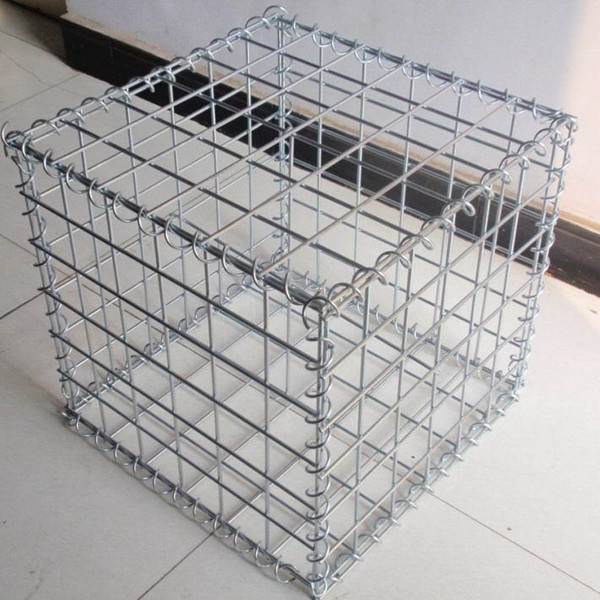
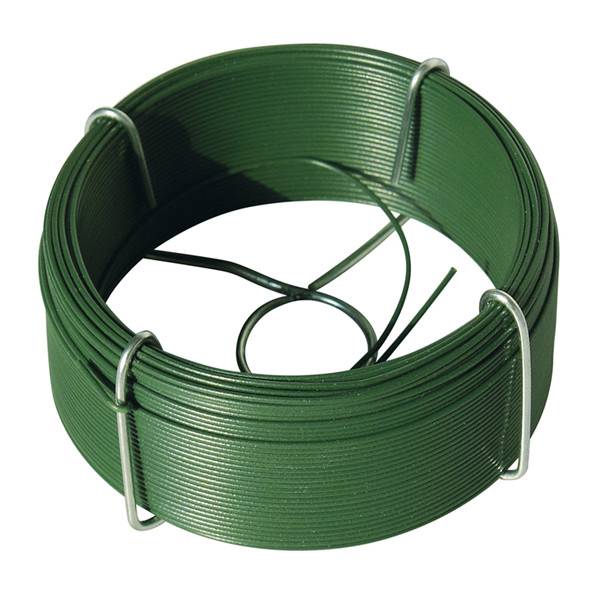
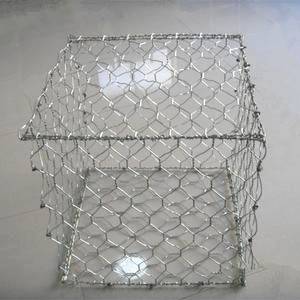
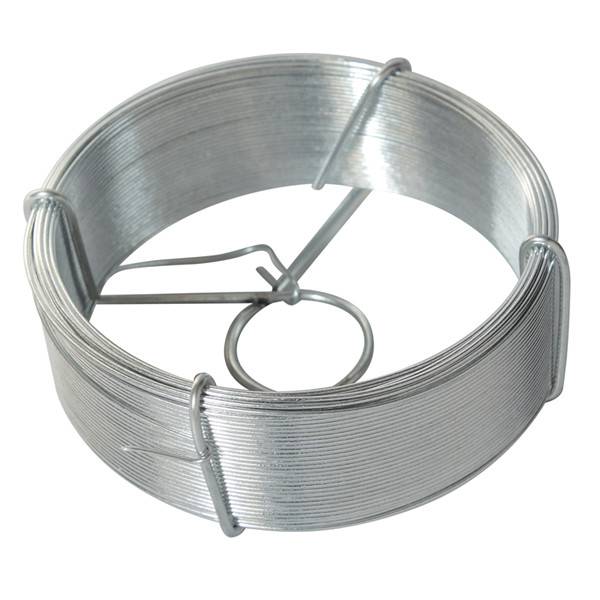
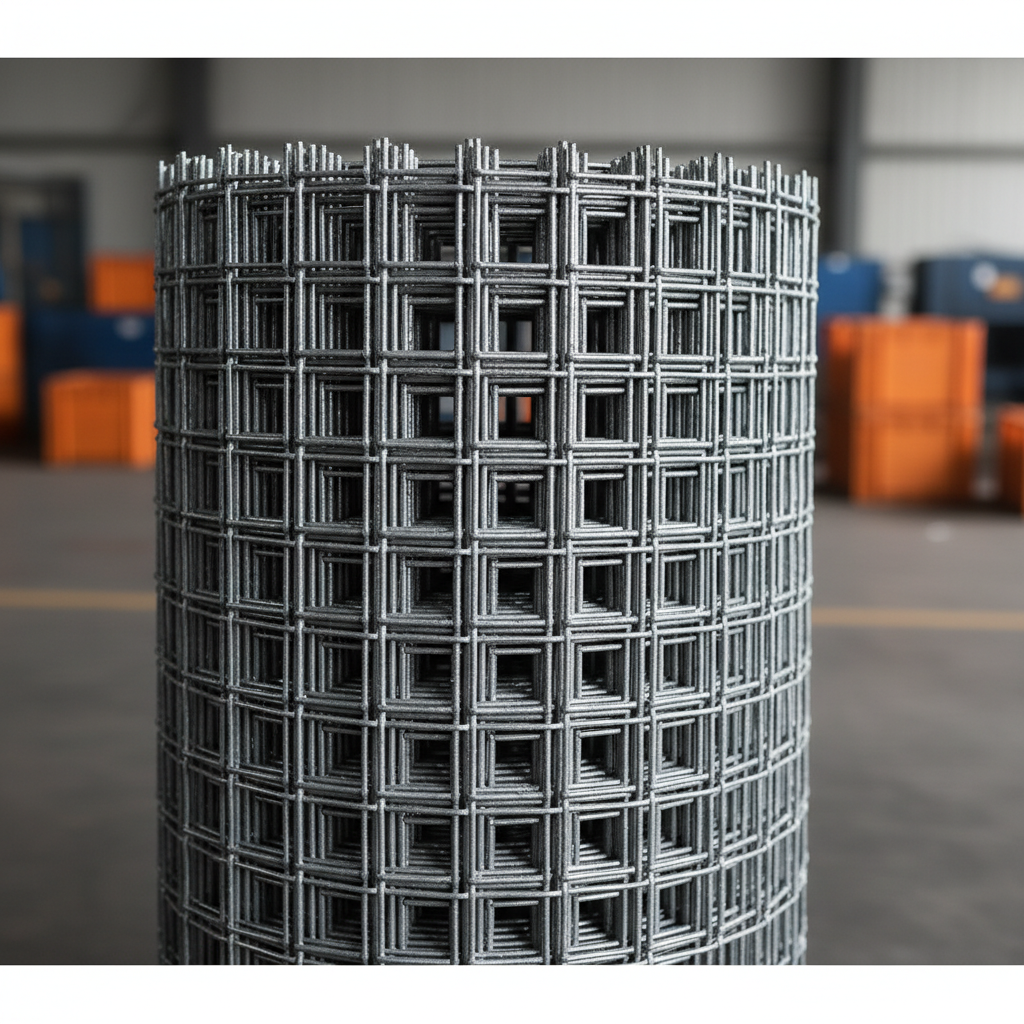
GI square mesh is a woven metal fabric created from galvanized iron wire. The galvanization process coats the iron with a layer of zinc, providing excellent protection against rust and corrosion. This makes it suitable for both indoor and outdoor applications, even in harsh environments. The “square” refers to the shape of the openings in the mesh, offering uniform strength and stability. The mesh is typically manufactured in rolls or sheets, making it easy to cut and shape for specific project requirements. It’s known for its strength, durability, and cost-effectiveness, making it a popular material for a wide range of uses. Explore our selection of high-quality GI square mesh today.
Key Highlights: Durable, corrosion-resistant, cost-effective, versatile, easy to cut and shape.
Common Applications of GI Square Mesh
The versatility of GI square mesh lends itself to numerous applications. In construction, it’s used for reinforcement in concrete, stucco netting, and protective barriers. Agriculture utilizes it for animal enclosures, poultry netting, and crop protection. Security applications include fencing, guarding, and creating protective cages. Industrially, it’s used in filtration systems, screens, and as a base for various composite materials. Its robustness and longevity make it an excellent investment for projects requiring long-term reliability.
Application Areas:
• Construction (reinforcement, netting)
• Agriculture (animal enclosures, crop protection)
• Security (fencing, guarding)
• Industrial (filtration, screens)
GI Square Mesh: A Comparison to Other Materials
While several materials can serve similar purposes, GI square mesh offers a unique combination of benefits. Compared to stainless steel mesh, it’s significantly more cost-effective, although less resistant to extreme corrosion. Compared to plastic netting, it’s far more durable and offers superior strength. Compared to wood, it requires minimal maintenance and is resistant to rot and insect damage. The price and performance balance make it the preferred choice for many applications where long-lasting reliability is essential.
Selecting the Right GI Square Mesh: Key Considerations
When selecting GI square mesh, consider the mesh size (opening dimensions), wire gauge (thickness), and roll width. Mesh size determines the level of containment or filtration. Thicker wire gauges offer greater strength and durability. Choose a roll width that minimizes waste during cutting and installation. It’s also important to verify the zinc coating thickness for optimal corrosion resistance. For specific applications, such as food handling, ensure the mesh meets relevant safety standards.
Product Specifications & Available Sizes
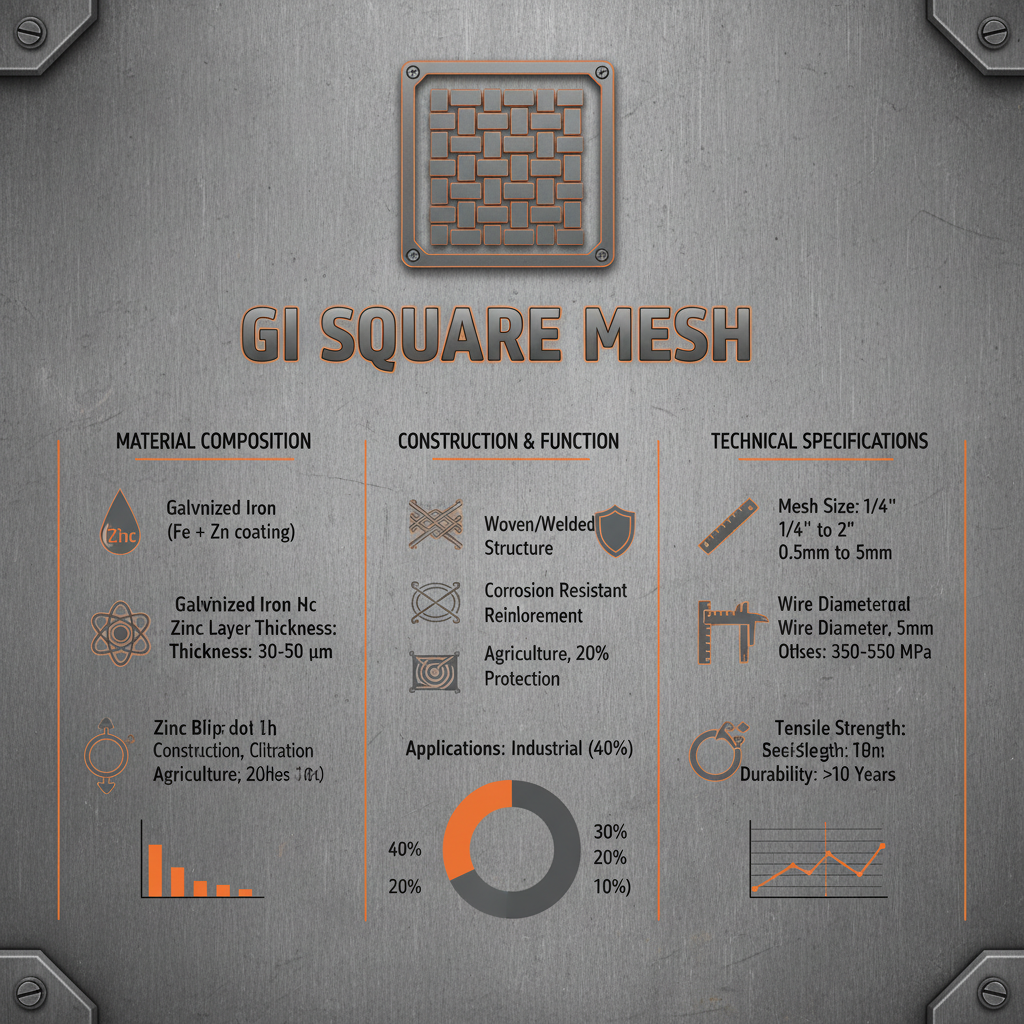
We offer a wide range of GI square mesh in various sizes and configurations to meet your specific needs. Here's a quick overview:
Conclusion: Choose the Right GI Square Mesh for Your Project
GI square mesh is a reliable and cost-effective solution for a wide array of applications. By understanding its properties, common uses, and key considerations, you can make an informed decision and ensure the success of your project. Browse our extensive selection of GI square mesh and find the perfect fit for your needs today.
Frequently Asked Questions (FAQs)
How do I cut GI square mesh safely?
Cutting GI square mesh requires care to avoid injury. Wear heavy-duty gloves to protect your hands from sharp edges. Use wire cutters or tin snips designed for metal, and ensure they are sharp to achieve a clean cut. Avoid using abrasive cutting tools, as they can create metal dust. When cutting, support the mesh firmly to prevent it from bending or distorting. Always wear safety glasses to protect your eyes from flying debris.
What is the best way to join pieces of GI square mesh?
There are several methods for joining GI square mesh, depending on the application. For a permanent bond, you can use galvanized wire to tie the pieces together, creating a strong and secure connection. Alternatively, you can use metal clips or hog rings specifically designed for wire mesh. For a more subtle connection, consider using soldering, but this requires specialized skills and equipment. Ensure the joining method is compatible with the environment and load requirements.
How can I prevent rusting on cut edges of GI square mesh?
While galvanization provides excellent corrosion resistance, cut edges can be more susceptible to rusting. To prevent this, apply a galvanized paint or coating specifically designed for metal. You can also use a cold galvanizing spray, which provides a zinc-rich layer of protection. Ensure the surface is clean and dry before applying any coating. Regular inspection and maintenance can help extend the lifespan of the mesh.
Is GI square mesh suitable for direct contact with food?
Generally, standard GI square mesh is not recommended for direct contact with food. The galvanization process involves materials that may not be food-grade. However, specialized stainless steel mesh is available for food-contact applications. If you require a mesh for food handling, ensure it meets relevant safety standards and regulations, and is specifically certified for food contact.
-
The Ultimate Guide to Hardware Cloth 1x1 Versatility and Strength
NewsApr.16,2026
-
Ultimate Guide to hardware cloth 1 4 mesh for Strength and Versatility
NewsApr.09,2026
-
Comprehensive Guide to Hardware Cloth 1/4 Inch Mesh for Versatile Applications
NewsApr.07,2026
-
Comprehensive Guide to Hardware Cloth 1 2 Inch Mesh 36 Applications and Benefits
NewsApr.04,2026
-
Comprehensive Guide to Gi Wire Mesh for Fencing and Its Applications
NewsMar.31,2026