
Dec . 01, 2025 13:50 Back to list
Wire Mesh Cost Per Square Foot: A Practical Guide to Pricing, Factors & Applications
Understanding Wire Mesh Cost Per Square Foot: Why It Truly Matters
Wire mesh is everywhere: stabilizing buildings in sprawling cities, shielding crops in rural farms, serving as cages in industrial settings, or even supporting humanitarian relief projects where time and budget are tight. But beneath the surface of its ubiquitous presence lies a surprisingly nuanced topic — the wire mesh cost per square foot. What does this number really convey, and why should anyone beyond procurement agents care about it? Well, for starters, it drives project feasibility worldwide, affects material sourcing decisions, and can influence the very speed at which infrastructure or temporary shelters arise after disasters. Not to mention, understanding these costs helps industries forecast budgets more accurately, keeping ambitions practical yet innovative.
In an age of increasing global demand for efficient building materials, embracing the ins and outs of wire mesh pricing could mean the difference between a sturdy home and a marginal one, a sustainable farm and a failing one, or a rapid emergency response and a delayed one.
Mini takeaway: Knowing the wire mesh cost per square foot isn't just for numbers people—it's a cornerstone for smarter decisions across construction, agriculture, and humanitarian efforts worldwide.
Why Wire Mesh Cost Per Square Foot Is a Global Industry Bellwether
Looking at the bigger picture, the global steel market—where most wire mesh is sourced—is projected by the World Steel Association to grow steadily at about 3.5% annually. With infrastructure budgets under pressure, particularly in developing regions, cost per square foot metrics become a major anchor during procurement. For example, in regions prone to earthquakes or floods (think South Asia, parts of Latin America), the affordability of wire mesh, and its installation cost, plays a huge part in resilient rebuilding efforts.
The United Nations Office for Disaster Risk Reduction (UNDRR) often highlights how resource-efficient materials contribute to sustainable urban development goals. Since wire mesh is fundamental in reinforcing concrete or creating protective barriers, understanding its costs helps stakeholders plan with both budgets and durability in mind.
Mini takeaway: Globally, wire mesh pricing drives both the economic feasibility and the resilience quotient of critical infrastructure projects.
What Exactly Is Wire Mesh Cost Per Square Foot?
Simply put, wire mesh cost per square foot refers to how much it costs to purchase one square foot of wire mesh material. But it’s not just raw numbers—this figure considers wire thickness, mesh aperture (distance between wires), material type (stainless steel, galvanized steel, PVC coated), and the finish quality. Each square foot is essentially a small puzzle piece of the larger structure, and how much each piece costs materially influences the overall project budget and timing.
In modern industrial applications, this cost ties directly to pressing global demands: safe housing, reinforced concrete for roads and airports, effective agricultural fencing, and secure containment in factories. Humanitarian organizations especially rely on understanding these costs for rapid construction and reliable materials under budget constraints.
Mini takeaway: Wire mesh cost per square foot is a versatile, practical measure blending materials science with real-world affordability.
Key Factors Influencing Wire Mesh Cost Per Square Foot
1. Material Grade and Composition
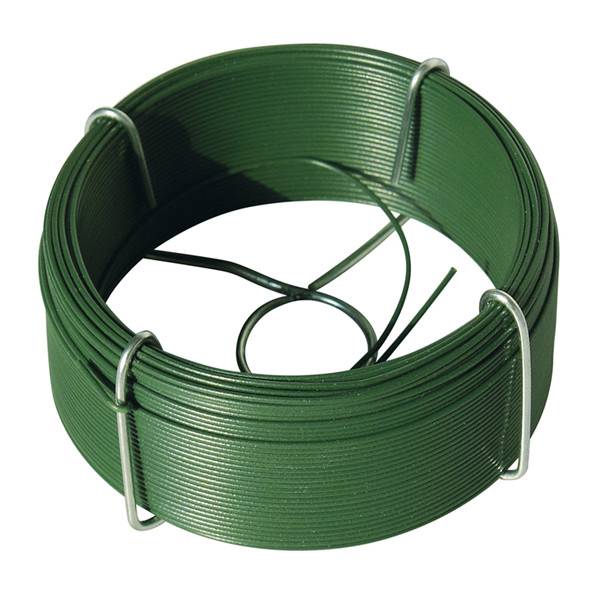
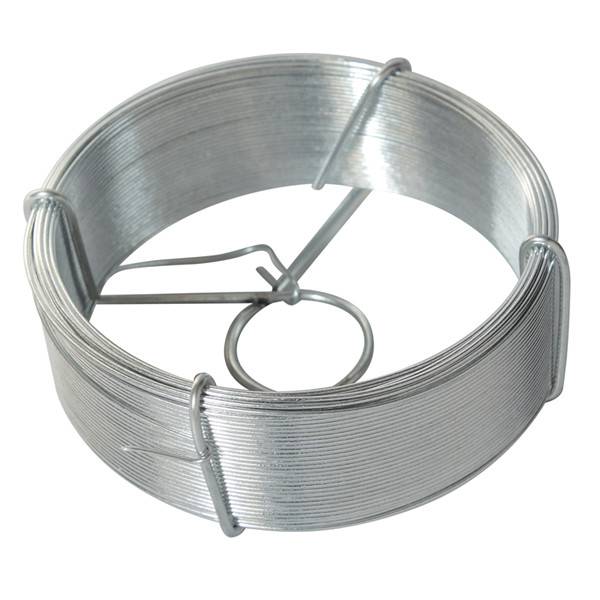
This is huge. Stainless steel wire mesh costs more because of corrosion resistance, ideal for harsh environments. Galvanized steel is cheaper but less durable long term. Some mesh even comes PVC-coated for outdoor durability, which bumps up cost.
2. Wire Thickness (Gauge)
Thicker wire equates to stronger mesh but also higher cost per square foot. For example, a 16-gauge wire costs less than 12-gauge, nearly doubling in raw material volume.
3. Mesh Aperture (Spacing Between Wires)
Smaller apertures (finer mesh) require more wire per square foot, thus increasing costs. Finer mesh suits filtration or small-animal fencing, but it’s pricier than wider mesh used in construction.
4. Manufacturing Process and Quality Standards
Meshes meeting ISO or ASTM standards generally cost more as they ensure reliability and longevity—critical in construction or industrial safety.
5. Market and Logistics
Oddly enough, shipping costs and tariffs impact the final price substantially. A remote factory sourcing mesh internationally pays more than local buys. Tariffs on steel imports have notably spiked prices recently in some markets.
6. Volume and Supplier Competition
Bulk orders generally reduce per square foot cost, but in tight supply markets, prices can soar despite quantity.
Mini takeaway: Several factors—from wire gauge to shipping fees—meld to shape the wire mesh cost per square foot, reflecting a complex supply and demand dance.
Global Applications & Real-World Examples
- Post-disaster Relief Efforts: In the aftermath of earthquakes in Nepal, agencies used affordable galvanized wire mesh to reinforce temporary shelters. The cost per square foot dictated how swiftly large quantities could be deployed.
- Agricultural Infrastructure in Africa: Smallholder farmers in Kenya rely on cost-effective wire mesh fencing to protect crops from wildlife. Sparse supply chains make cost awareness crucial.
- Remote Industrial Projects in Canada: Mining sites use stainless steel mesh for hazardous area safety fencing; despite higher costs per square foot, durability justifies the expense.
Mini takeaway: Whether safeguarding crops or reinforcing shelters, understanding cost helps these applications balance quality, durability, and budget.
Advantages & Long-Term Value of Optimizing Wire Mesh Costs
From both an emotional and a practical standpoint, affordable yet reliable wire mesh means peace of mind. Builders know structures are safer; farmers feel protected; disaster-affected families regain a semblance of normalcy more quickly.
Furthermore, sustainable sourcing and material longevity reduce replacement frequency, saving money over years. That’s a win for both project managers and the planet.
Current Innovations & Where the Wire Mesh Cost Is Headed
New materials like composite wire meshes blend metals with polymers, enhancing corrosion resistance without heavy costs. Automation and digital manufacturing lower labor expenses, causing subtle shifts in pricing.
Green initiatives push for recycled steel use, potentially making meshes cheaper and eco-friendlier. Some startups explore smart mesh capable of sensor integration — a futuristic but tantalizing prospect.
Challenges & Proposed Solutions in Managing Wire Mesh Costs
Challenges remain: volatile steel prices, transportation hurdles, and quality assurance can make budgeting tricky. Agile procurement, supplier diversification, and transparent supply chains are commonly recommended solutions. Some companies even use blockchain to track material sourcing, improving cost predictability.
Wire Mesh Cost Per Square Foot: Frequently Asked Questions
- Q1: How is wire mesh pricing affected by different coatings?
- A: Coatings like galvanization or PVC add protective layers that prevent rust, increasing the cost per square foot typically by 10–30%. While pricier upfront, coatings extend lifespan and reduce replacement costs.
- Q2: Can ordering larger quantities truly lower my wire mesh cost per square foot?
- A: Yes, bulk orders usually attract discounts from vendors, but the exact savings vary by supplier, region, and current market conditions. Always negotiate and ask for volume pricing.
- Q3: Is stainless steel wire mesh worth the extra cost?
- A: In corrosive environments or for long-term use (like coastal infrastructure), stainless steel pays off by reducing maintenance and replacements. However, for short-term or interior use, galvanized or plain steel might suffice.
- Q4: How do tariffs and shipping impact the final wire mesh price?
- A: Since wire mesh raw materials are globally traded, import tariffs or fuel price spikes can increase costs significantly. Local sourcing or alternate vendors help mitigate this.
Product Specification Table: Typical Wire Mesh Grades
| Specification | Gauge | Material | Aperture Size | Typical Cost Per Sq Ft | Common Use |
|---|---|---|---|---|---|
| Light Duty | 20 | Galvanized Steel | 1/2 inch | $0.45 - $0.65 | Agricultural fencing |
| Medium Duty | 16 | Stainless Steel | 1/4 inch | $1.20 - $1.50 | Industrial filtration |
| Heavy Duty | 12 | Galvanized Steel | 2 inch | $2.00 - $2.50 | Construction reinforcement |
Vendor Comparison: Wire Mesh Suppliers (Price & Service Overview)
| Vendor | Average Price Per Sq Ft | Shipping Speed | Bulk Discounts | Customer Support Rating |
|---|---|---|---|---|
| MeshPro Supplies | $1.10 | 3-5 days | 10% off at 1,000+ sq ft | 4.5/5 |
| Global Mesh Inc. | $1.25 | 5-7 days | 15% off at 2,000+ sq ft | 4.0/5 |
| EcoMeshes | $1.50 | 7-10 days | 5% off at 500+ sq ft | 4.8/5 |
Wrapping It Up: Why Wire Mesh Cost Per Square Foot Is Worth Your Attention
So, grasping the wire mesh cost per square foot is not merely a technical curiosity but a savvy move for anyone involved with construction, agriculture, or humanitarian work. It balances cost efficiency with durability, influences sourcing strategies, and even reflects broader market and supply chain realities.
If you want to keep your projects on track, budget-smart, and sustainable—well, staying informed here makes all the difference. For detailed breakdowns, vendor options, and ongoing updates on materials market trends, check our resource page. It’s where numbers meet real-world application, minus the jargon.
References:
1. World Steel Association – Global Steel Market Outlook
2. United Nations Office for Disaster Risk Reduction (UNDRR) Reports
3. ISO Standards for Steel Wire Mesh Materials
-
The Ultimate Guide to Hardware Cloth 1x1 Versatility and Strength
NewsApr.16,2026
-
Ultimate Guide to hardware cloth 1 4 mesh for Strength and Versatility
NewsApr.09,2026
-
Comprehensive Guide to Hardware Cloth 1/4 Inch Mesh for Versatile Applications
NewsApr.07,2026
-
Comprehensive Guide to Hardware Cloth 1 2 Inch Mesh 36 Applications and Benefits
NewsApr.04,2026
-
Comprehensive Guide to Gi Wire Mesh for Fencing and Its Applications
NewsMar.31,2026
-
Comprehensive Guide to GI Square Mesh Applications and Benefits
NewsMar.28,2026