
Dec . 03, 2025 11:04 Back to list
What You Need to Know About 16 Gauge Wire Mesh Rolls: Global Uses and Benefits
Understanding 16 Gauge Wire Mesh Rolls: A Versatile Industrial Staple
At first glance, 16 gauge wire mesh rolls might not sound like the most thrilling topic—it’s wire mesh, after all. But this simple industrial product quietly supports countless sectors worldwide, from construction and agriculture to disaster relief. Understanding what makes 16 gauge wire mesh rolls essential is important not only for engineers or builders but also for anyone interested in how infrastructure adapts to global needs. In many ways, these rolls are the unsung heroes of fencing, filtering, and reinforcing solutions, balancing durability, affordability, and versatility in one tightly woven package.
Global Relevance of 16 Gauge Wire Mesh Rolls
Did you know that the global wire mesh market was valued at over $7 billion in 2022 and is projected to grow steadily? The International Organization for Standardization (ISO) sets clear guidelines on wire quality to ensure consistent performance worldwide. Wire mesh rolls, particularly 16 gauge thickness, meet a sweet spot between strength and flexibility. They solve challenges like secure containment, erosion control, and filtration — needs rising sharply as urban areas expand and agriculture intensifies. The problem? Raw materials and manufacturing disparities sometimes lead to variable product quality, which can affect longevity and safety in critical applications.
Mini takeaway: 16 gauge wire mesh rolls are globally recognized for bridging durability with practicality, supporting vital infrastructure while addressing supply chain challenges.
What Are 16 Gauge Wire Mesh Rolls?
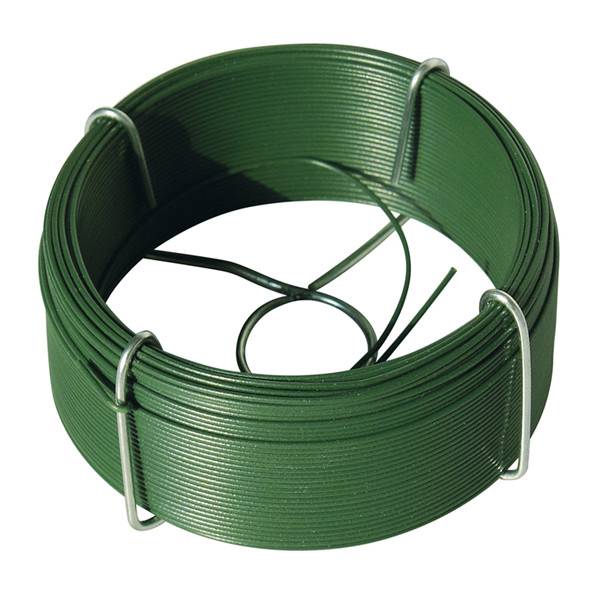
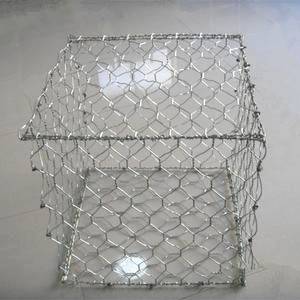
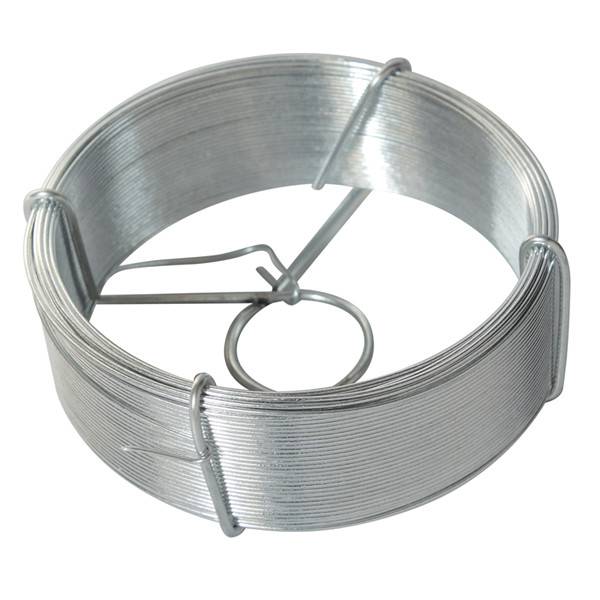
Simply put, wire mesh rolls are sheets of interwoven metal wires, coiled into cylindrical forms for easy transport and deployment. “16 gauge” refers to the thickness of the wire, roughly 1.29 mm in diameter — not too thick to be rigid, not too thin to tear easily. Think of them as flexible metal fabrics. These meshes serve everything from fencing animal enclosures to supporting concrete frameworks or sieving materials. Their importance stretches beyond industrial uses: they’re crucial in humanitarian sectors for building temporary shelters or protective barriers quickly and safely.
Core Components of 16 Gauge Wire Mesh Rolls
Durability
Steel and galvanized coatings combine to create rust-resistant properties, essential for outdoor use. Durability isn’t just about longevity; it's about maintaining integrity in harsh conditions without frequent replacement.
Flexibility and Form Factor
Thanks to its gauge thickness, the wire mesh is manageable for workers to roll out, cut, and shape on-site. This flexibility drastically cuts setup times.
Cost Efficiency
It balances material costs with performance optimally. For example, a thinner wire risks tear, while thicker versions inflate expense without proportional benefits. 16 gauge is basically a budget-conscious middle ground.
Versatility
This mesh suits fencing, reinforcement, and filtration — industries value it for multiple reasons, making it a go-to product rather than niche specialty.
Sustainability
Galvanized steel wire mesh is recyclable and increasingly produced with eco-friendly methods, supporting circular economy initiatives.
| Specification | Details |
|---|---|
| Wire Diameter | 1.29 mm (16 gauge) |
| Material | Galvanized Steel or Stainless Steel |
| Mesh Opening Size | Ranges from 1/4" to 2" |
| Roll Length | Typically 50 to 100 ft |
| Common Applications | Fencing, concrete reinforcement, agricultural cages, filtration |
Global Applications & Use Cases
This product’s footprint is worldwide. In the US and Europe, 16 gauge wire mesh protects property boundaries and secures industrial sites. In Asia and Africa, it’s vital for securing agricultural perimeters and livestock. Humanitarian organizations rely on it during disaster recovery — say, after floods in Bangladesh or earthquakes in Turkey — to erect fast, durable enclosures or rebuilding frameworks. Remote mining operations use the mesh for environmental control and safety barricades. Oddly enough, its combination of strength and adaptability makes it favored even for art installations or gardening lattices.
Mini takeaway: The flexible 16 gauge wire mesh roll morphs into countless forms, benefiting diverse industries from agriculture to humanitarian aid.
Advantages & Long-Term Value
- Cost-Effective: Affordable materials and bulk roll scales lower project expenses.
- Reliable: Quality coatings resist rust, extending lifespan notably.
- Safe & Dignified: Provides secure, breathable enclosures essential for animal welfare or temporary housing.
- Environmentally Friendly: Recyclable steel eases end-of-life disposal.
- Adaptable: Easily cut and shaped on-site, suiting custom project needs.
Vendor Comparison: Leading Manufacturers of 16 Gauge Wire Mesh Rolls
| Vendor | Material Quality | Price per Roll | Delivery Time | Sustainability Efforts |
|---|---|---|---|---|
| SteelGuard Co. | Galvanized Steel, ISO Certified | $120 | 5-7 days | 100% recycled steel used |
| MeshWorks Ltd. | Stainless Steel, corrosion-resistant | $145 | 7-10 days | Biodegradable packaging |
| AgriFence Corp. | Hot-dip galvanized steel | $110 | 3-5 days | Low-VOC coatings |
Future Trends & Innovations
Looking ahead, the wire mesh industry isn’t just sitting still. Increasingly, green manufacturing trends are pushing vendors toward lower-carbon footprint steel production and biodegradable coatings. Imagine wire mesh rolls embedded with smart sensors that detect stress or corrosion early—some startups are already prototyping these! Digital transformation is streamlining supply chains so quality control improves markedly, minimizing defects. Automation in casting and weaving processes improves consistency, making 16 gauge wire mesh rolls more reliable than ever. Finally, eco-conscious buyers favor meshes made from recycled materials—a trend supported by organizations like the United Nations Environmental Programme (UNEP).
Challenges & Practical Solutions
That said, challenges persist. One is variable quality depending on regional manufacturing practices. Non-uniform galvanization can lead to faster corrosion in humid environments. Also, heavier rolls can complicate transport to remote sites. But innovations like modular roll packaging and localized coating repairs have made headway. Experts recommend stricter standards audits prior to purchase and proper on-site storage to mitigate damage. There's also emerging guidance on blending fibers with wire mesh for additional durability in harsh conditions, but this is still early in adoption.
FAQ: Frequently Asked Questions About 16 Gauge Wire Mesh Rolls
Q1: What makes 16 gauge wire mesh rolls ideal for fencing compared to other gauges?
16 gauge hits the sweet spot between strength and flexibility. It’s thick enough to resist most wear and tear and prevent animal escapes, yet flexible for easy installation. Thicker wires add cost and reduce maneuverability, while thinner wires risk tearing.
Q2: How long can wire mesh rolls last in outdoor environments?
With proper galvanized or stainless steel coatings, 16 gauge wire mesh can last up to 15-20 years outdoors, depending on exposure conditions. Coastal or highly humid areas might reduce lifespan unless specialized coatings are used.
Q3: Are these wire mesh rolls suitable for humanitarian applications?
Absolutely. Their readiness, ease of transport, and protective qualities make them excellent for quickly building secure enclosures, shelters, or reinforcing structures in disaster-prone zones.
Q4: Can NGOs import 16 gauge wire mesh rolls easily for international relief efforts?
Yes, but logistics depend on customs regulations and local import restrictions. Partnering with reliable vendors who certify quality and assist with shipping documentation eases the process.
Conclusion: A Durable Foundation for Diverse Needs
In real terms, 16 gauge wire mesh rolls are more than just coils of metal wires. They represent an intersection of tradition and innovation, practicality and sustainability. Whether securing an agricultural field, reinforcing concrete, or building disaster relief shelters, their global importance continues to grow. If you’re considering your next fencing or filtration project, or sourcing for humanitarian supply chains, these rolls combine cost-effectiveness and reliability like few other options.
Visit our website for premium 16 gauge wire mesh rolls and expert advice tailored to your needs. Because sometimes, the metal that holds it all together deserves a closer look.
— Thanks for reading. Stay curious and stay informed.
References
-
The Ultimate Guide to Hardware Cloth 1x1 Versatility and Strength
NewsApr.16,2026
-
Ultimate Guide to hardware cloth 1 4 mesh for Strength and Versatility
NewsApr.09,2026
-
Comprehensive Guide to Hardware Cloth 1/4 Inch Mesh for Versatile Applications
NewsApr.07,2026
-
Comprehensive Guide to Hardware Cloth 1 2 Inch Mesh 36 Applications and Benefits
NewsApr.04,2026
-
Comprehensive Guide to Gi Wire Mesh for Fencing and Its Applications
NewsMar.31,2026
-
Comprehensive Guide to GI Square Mesh Applications and Benefits
NewsMar.28,2026