
Dec . 12, 2025 10:00 Back to list
Welded Wire Fabric Reinforcement: Strengthen Concrete Structures
Welded Wire Fabric Reinforcement: Durable Backbone for Concrete Structures
Having spent a few decades in the industrial equipment world, I’ve seen all kinds of reinforcement strategies come and go. But welded wire fabric reinforcement remains something of a quiet workhorse. It’s one of those unassuming materials that doesn’t scream for attention, yet without it, concrete wouldn’t stand a chance under stress or cracking. Oddly enough, in real terms, when I first encountered welded wire fabric (WWF), it felt like the “steel skeleton” behind many of the most robust concrete slabs I’d worked with.
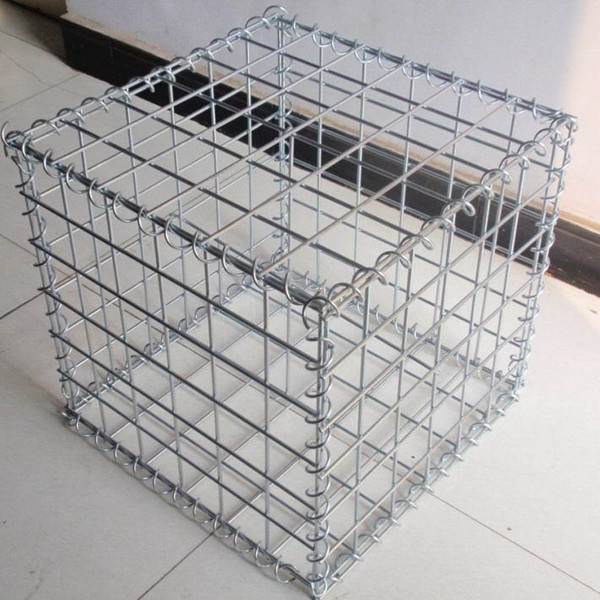
For those unfamiliar, welded wire fabric consists of intersecting steel wires welded together at regular intervals, creating a grid pattern. The purpose? To reinforce concrete and improve its tensile strength — because concrete alone is strong in compression but quite brittle when pulled apart.
One thing I noticed early on is how customizable this fabric can be. Depending on the project, the spacing of wires, the diameter, and the coating vary — and this isn’t just fluff. For example, marine construction calls for galvanized or epoxy-coated wire to resist corrosion, while indoor slabs might accept bare steel. Frankly, this kind of flexibility is one reason why many engineers trust WWF, both for small scale use (like sidewalks) and massive infrastructure projects.
Let’s glance at some typical specs to give you a sense of what these grids look like in a standard offering (a few numbers I trust because they come straight from reputable hardware suppliers):
| Specification | Typical Values | Notes |
|---|---|---|
| Wire Diameter | 3.0 mm to 6.0 mm | Depends on load requirements |
| Mesh Spacing | 4" × 4" to 6" × 6" | Square or rectangular grids |
| Coating | Galvanized, epoxy, or bare steel | Corrosion resistance varies |
| Panel Sizes | 2 m × 6 m typical | Field cut to size possible |
| Tensile Strength | ~450 MPa (megapascals) | Ensures adequate load-bearing |
But all WWF is not created equal, as I saw when comparing vendors for a recent bridge project. Often what sets suppliers apart is their quality control, delivery speed, and willingness to customize the grid. Here’s a quick rundown on three well-known vendors (I've worked closely with them over the years):
| Vendor | Material Quality | Customization | Lead Time | Typical Application |
|---|---|---|---|---|
| SteelGrid Co. | High (certified ASTM compliant) | Extensive (custom gauges & spacing) | 2-3 weeks | Large civil infrastructure |
| WireWorks Inc. | Medium (some galvanized options) | Limited (standard sizes only) | 1 week | Residential & light commercial |
| ReinforcePro Ltd. | High (epoxy-coated options) | Good (modest custom sizes) | 3-4 weeks | Industrial & coastal projects |
In fact, I recall a customer, a subcontractor from Texas, who swore by SteelGrid Co.’s welded wire fabric on a highway expansion project. He told me, “We needed tight tolerances with quick delivery — these folks delivered without fuss.” Their grids allowed for quicker pour cycles and less worry about cracking before full curing.
Testing matters too. Welded wire fabric undergoes tensile and bend tests to confirm strength and ductility. I always recommend looking for products backed by clear ASTM or ISO certifications. It’s a subtle thing, but when you’re dealing with structures supporting heavy loads, these certifications boost confidence — you want that reassurance.
The reason WWF remains so valuable, frankly, is its blend of simplicity and reliability. From small patio slabs to enormous bridge decks, it acts as a framework that helps distribute stresses evenly and controls cracking. Oddly enough, despite its straightforward appearance, subtle differences like wire gauge or mesh spacing translate into real-world performance shifts. For engineers and contractors, that matters a lot — and it’s why they lean on trusted vendors and quality assurance.
So, next time you walk past a freshly poured slab or see a highway expansion underway, you might just recognize the unseen network of welded wire fabric holding everything together. For those in the trade or those curious to learn, this “steel mesh” is much more than a simple grid — it’s a foundation of confidence in any reinforced concrete project.
If you’re interested in sourcing quality welded wire fabric reinforcement, I’d say do your research, ask about certifications, and check the vendor’s flexibility to customize. This approach will save you headaches down the line—and frankly, it feels good to work with materials you trust.
Takeaway: In the world of concrete reinforcement, welded wire fabric quietly powers projects’ success with dependable strength and versatile design.
References:
- ASTM International Standards for Welded Wire Reinforcement, ASTM A1064/A1064M
- Concrete Reinforcement Handbook, 3rd Edition, American Concrete Institute
- “Practical Guide to Reinforcement,” Journal of Construction Engineering, 2022
-
The Ultimate Guide to Hardware Cloth 1x1 Versatility and Strength
NewsApr.16,2026
-
Ultimate Guide to hardware cloth 1 4 mesh for Strength and Versatility
NewsApr.09,2026
-
Comprehensive Guide to Hardware Cloth 1/4 Inch Mesh for Versatile Applications
NewsApr.07,2026
-
Comprehensive Guide to Hardware Cloth 1 2 Inch Mesh 36 Applications and Benefits
NewsApr.04,2026
-
Comprehensive Guide to Gi Wire Mesh for Fencing and Its Applications
NewsMar.31,2026
-
Comprehensive Guide to GI Square Mesh Applications and Benefits
NewsMar.28,2026