
Nov . 30, 2025 08:40 Back to list
Welded Wire Animal Fencing: Durable Solutions for Livestock and Wildlife Protection
Understanding Welded Wire Animal Fencing: A Modern Necessity
At a glance, welded wire animal fencing might seem like just another type of outdoor mesh, but in reality, it’s a critical solution with substantial global impact. Around the world, from vast agricultural lands in Australia to wildlife reserves in Africa and humanitarian projects in disaster-prone areas, this fencing type keeps animals safe, contains livestock efficiently, and sometimes even protects ecosystems. Beyond the basic idea of corraling creatures, the knowledge and application of welded wire fencing bring huge benefits—better land management, reduced livestock loss, and even improved community safety.
It might sound mundane, but as populations grow and climate conditions shift unpredictably, the need for reliable, durable, and affordable fencing grows right alongside. In real terms, understanding how and why to use welded wire animal fencing helps communities, farmers, and conservationists alike tackle pressing problems on the ground.
The Global Context: Why Welded Wire Animal Fencing Matters Now
Globally, agriculture employs roughly 28% of the world’s workforce and remains foundational to food security, especially in developing regions (World Bank, 2023). With this comes an increasing challenge of livestock management, predator control, and sustainable land use. According to the UN Food and Agriculture Organization, around 20% of potential agricultural output is lost annually due to poor containment and predator damage.
That’s where welded wire animal fencing steps in. Its sturdy design addresses not only livestock safety but also environmental protection—helping to minimize habitat disruptions and reduce overgrazing. In many regions—take parts of East Africa or Central Asia for example—where traditional fencing materials degrade quickly or aren’t economically viable, welded wire fencing is forcing a rethink in how we ethically and effectively manage animals.
Plus, in rapidly urbanizing zones on the edge of cities, protecting livestock while preventing animals from wandering into traffic or neighborhoods is a public safety issue often overlooked. This fencing style offers a discreet, reliable solution.
Mini Takeaway:
- Welded wire animal fencing is foundational to global efforts in livestock management and ecological protection, meeting rising demand in vulnerable and high-growth regions alike.
What Exactly Is Welded Wire Animal Fencing?
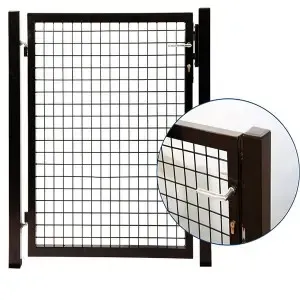
Simply put, welded wire animal fencing is a mesh made up of intersecting metal wires that are spot-welded at every joint. This makes for a rigid grid of square or rectangular cells that can be formed into rolls or panels depending on the application. It’s generally galvanized steel to resist rust, though sometimes coated in PVC or other materials for protection and color coding.
This fencing is a giant step up from older rope or chain-link solutions—offering strength, low maintenance, and versatility. Its use has surged with modern farming techniques and wildlife preserves needing secure yet breathable barriers to keep animals in or out. In humanitarian contexts, it’s also been adapted for quick-install enclosures during emergencies, say for protecting livestock after a natural disaster.
Core Components and Factors That Define Its Effectiveness
Durability
Because it’s welded rather than twisted, this fencing stands taller against wear and tear. The galvanization process also protects the metal from corrosion, keeping the fence visually intact and reliable over years of harsh weather.
Scalability and Flexibility
Whether you’re fencing a tiny coop for backyard chickens or creating dozens of kilometers of secure grazing land, the modular nature of welded wire fencing makes it infinitely scalable. You can buy rolls or panels depending on terrain or need, and adapt with tension wires or posts.
Cost Efficiency
It’s noteworthy that despite initial costs, its long lifespan and low maintenance generally mean less money spent over time compared to wood, barbed wire, or chain link fencing.
Animal Safety
Wire spacing and height can be tailored for the species you’re containing, helping avoid injury—an important factor when livestock welfare and ethical treatment are under scrutiny.
Environmental Compatibility
Unlike some alternatives, welded wire fencing has minimal impact on vegetation, waterways, and wildlife corridors, especially if installed thoughtfully.
Mini Takeaway:
- Durability, scalability, and animal welfare stand out as pillars making welded wire animal fencing a practical and ethical choice worldwide.
Real-World Applications Across Continents
The versatility of welded wire fencing means it’s found in some fascinating and diverse places:
- Agriculture: Australian livestock farms use it extensively for containing sheep and cattle in regions prone to storms and rabbits that damage fences.
- Wildlife Conservation: Parks in Kenya and South Africa use custom welded mesh to keep endangered species enclosed safely, while preventing poachers from easy access.
- Humanitarian Relief: After earthquakes or floods in Southeast Asia, NGOs have deployed lightweight welded wire fencing to quickly rebuild animal enclosures, aiding displaced farmers.
- Urban Outskirts: In rapidly expanding cities like Nairobi and Guadalajara, fencing helps limit roaming cattle that might otherwise cause accidents or crop damage.
Mini Takeaway:
- From farms to fragile ecosystems and disaster zones, welded wire fencing serves practical and protective purposes that span global industries.
Advantages and Long-Term Benefits
The practical benefits are easy: better containment, less livestock loss, and reduced repair work. But what often gets overlooked is the social and emotional impact. Farmers gain peace of mind, communities experience less conflict between animals and people, and ecosystems thrive from controlled grazing.
Cost-effectiveness, yes, but also sustainability—older fencing options discarded in dumps cause pollution; galvanized wire lasts for decades with minimal intervention. Plus, it lends itself well to recycling.
| Parameter | Specification |
|---|---|
| Material | Galvanized Steel (Optional PVC Coating) |
| Mesh Size | 1" x 2" – 4" x 4" (customizable) |
| Wire Diameter | 12 to 16 gauge |
| Roll Length | 50 to 150 feet |
| Height | 3 to 6 feet (common) |
| Corrosion Resistance | Very high (10+ years) |
Leading Welded Wire Animal Fencing Vendors Compared
| Vendor | Product Range | Price Range | Delivery Regions | Value Adds |
|---|---|---|---|---|
| FarmWire Ltd | Standard & Custom Mesh Sizes | $$ | North America, Europe | Installation Guides, Volume Discounts |
| GlobalMesh | PVC-Coated Options, Heavy Gauge Wire | $$$ | Worldwide | Custom Coloring, Eco-Friendly Coatings |
| AgriFence Co. | Budget Options, Quick Ship | $ | Asia, Southern Africa | Technical Support, Local Warehouses |
Looking Ahead: Trends and Innovations Shaping the Future
It’s not just about metal grids anymore. Industry insiders often highlight emerging trends like integrating solar-powered sensors that detect breaches or monitor livestock movement remotely—great for big farms in Australia or ranches in the American Southwest.
Additionally, eco-conscious manufacturing is rising. Some vendors now use recycled steel or biodegradable coatings, aiming to reduce environmental footprint. Digital design tools help customize fencing for complex terrains quickly, and automation in installation — like robotic post drivers — are cutting down labor needs.
Challenges in the Field and How to Overcome Them
Oddly enough, one obstacle still often mentioned is theft or vandalism, especially in developing regions where fencing materials can be valuable commodities. A solution many engineers advocate is combining welded wire fencing with surveillance and community engagement rather than relying strictly on the fence as a security feature.
Also, in extremely rough terrain, installation can get tricky. Modular fencing kits and flexible panels offer some relief, as do local partnerships to customize solutions specific to geography and weather patterns.
FAQ: Common Questions About Welded Wire Animal Fencing
- Q: How does welded wire fencing compare with traditional barbed wire for livestock containment?
- A: Welded wire fencing offers greater durability and safety since animals are less likely to injure themselves on smooth galvanized wires compared to barbed wires. Additionally, its rigidity means fewer repairs and longer lifespan.
- Q: Can welded wire animal fencing be used to contain exotic or wild animals?
- A: Yes, but specifications may vary based on the species. Larger mesh sizes and higher fences are common for bigger animals, while extra reinforcement might be needed for predators or agile wildlife.
- Q: Is galvanized welded wire fencing suitable for coastal areas?
- A: Generally, yes. However, salt air can accelerate corrosion. Using higher gauge wire with additional coatings like PVC or powder-coating can greatly extend fence life in such environments.
- Q: How complicated is the installation process for a first-time user?
- A: While professional installation is recommended for large projects, many small-scale farmers successfully install welded wire fencing using basic tools and following online or vendor-supplied guides.
- Q: Where can I purchase high-quality welded wire animal fencing with global shipping?
- A: Vendors like GlobalMesh offer worldwide delivery and customization options. For regional products, check vendors like FarmWire Ltd or AgriFence Co. Visit our recommended supplier page for trusted sources.
Conclusion: Why Welded Wire Animal Fencing Is a Smart Long-Term Choice
From the rolling fields to conservation zones, welded wire animal fencing offers a blend of resilience, affordability, and adaptability that traditional fencing can’t quite match. It’s not just a purchase—it’s an investment in animal welfare, land sustainability, and community safety.
If you’re considering fencing options, give welded wire fencing a close look. It’s a quiet hero in a lot of rural and ecological settings and could be just what your project needs to succeed sustainably.
Explore more and get your supplies today at Hardware In Store.
References & Further Reading
-
The Ultimate Guide to Hardware Cloth 1x1 Versatility and Strength
NewsApr.16,2026
-
Ultimate Guide to hardware cloth 1 4 mesh for Strength and Versatility
NewsApr.09,2026
-
Comprehensive Guide to Hardware Cloth 1/4 Inch Mesh for Versatile Applications
NewsApr.07,2026
-
Comprehensive Guide to Hardware Cloth 1 2 Inch Mesh 36 Applications and Benefits
NewsApr.04,2026
-
Comprehensive Guide to Gi Wire Mesh for Fencing and Its Applications
NewsMar.31,2026
-
Comprehensive Guide to GI Square Mesh Applications and Benefits
NewsMar.28,2026