
Nov . 27, 2025 18:25 Back to list
Welded Mesh Fabric: Durable, Versatile Solutions for Construction & Industry
Welded Mesh Fabric: The Backbone of Structural Integrity Worldwide
In an increasingly interconnected and fast-paced world, materials that can combine strength, versatility, and cost efficiency quickly become essential. Welded mesh fabric is exactly one of those unsung heroes — yet it quietly supports industries ranging from construction to agriculture, from infrastructure to humanitarian aid. But why does understanding this material matter on a global scale? Well, with urban growth, disaster recovery, and sustainability becoming urgent topics, knowing how welded mesh fabric fits in can help engineers, architects, and supply decision-makers make better choices. It’s not just about metal wires welded together — it’s about ensuring projects are safe, scalable, and economical.
Introduction: Why Welded Mesh Fabric Matters Globally
Take a moment to glance at global construction stats from the United Nations: the world’s urban population is projected to increase by 2.5 billion by 2050. Infrastructure demands are skyrocketing, especially in developing countries where affordable and durable materials are vital. According to the UN Environment Programme, access to resilient building materials can drastically reduce casualties during natural disasters.
Welded mesh fabric fills a tough spot here. It addresses issues such as structural reinforcement, erosion control, and fencing — all critical in fragile socio-economic environments. Oddly enough, despite its global reach, many still underestimate its impact on the quality and longevity of buildings and protective installations.
What Exactly is Welded Mesh Fabric?
In simple terms, welded mesh fabric consists of thin metal wires that are joined at intersections by electric resistance welding. This process forms a grid pattern that’s consistent in size and strength. Think of it as a metallic grid, but not just any metallic grid — one that can handle weight, movement, and environmental challenges. It’s a modern-day reinforcement material essential for concrete pouring, fencing, and even animal husbandry.
The real beauty is its connection to both industrial efficiency and humanitarian use. In disaster zones or fast-growing urban areas, welded mesh fabric allows quick, reliable reinforcement. It’s often a go-to for temporary shelters or retaining walls because it balances rapid deployment with dependable support.
Key Components and Factors to Consider
Durability and Corrosion Resistance
One can’t talk about welded mesh fabric without mentioning durability. Most modern welded mesh fabrics are galvanized or PVC-coated to combat rust and decay — essential for outdoor, wet, or coastal installations. Without this, the longevity of structures plummets, which means higher maintenance or early replacements. Those silent enemies — water, salt, and time — are relentless.
Versatility in Mesh Size and Wire Thickness
The mesh size (the spacing between wires) and wire diameter dictate how strong or flexible the fabric is. When constructing a retaining wall, engineers prefer a tighter mesh with thicker wires; for fencing pets or livestock, a wider mesh suffices. That adaptability lets industries configure welded mesh fabric precisely to their needs, which ultimately controls overall project costs and performance.
Cost Efficiency and Availability
Frankly, one reason welded mesh fabric is so widespread is its cost-effectiveness. Compared to conventional rebar, it’s faster to install and often cheaper to source. Its availability worldwide has grown due to increased demand in sectors like infrastructure and agriculture. Locally produced mesh fabric cuts logistic expenses, making it an appealing choice in remote or developing areas.
Safety and Structural Integrity
The uniformity of welded points means the mesh behaves predictably under load. This consistency reduces structural failures and enhances worker safety both during and after construction. Many building codes and ISO standards acknowledge welded mesh fabric’s role in disaster resilience — an important consideration when designing for risk-prone regions.
Customization Possibilities
Many suppliers nowadays offer customization — adapting mesh dimensions, coatings, and bundles tailored for specific projects. This focus on bespoke solutions helps meet the precise demands of specialty industries, including renewable energy setups or architectural façades requiring transparency and strength.
Quick Takeaway:
- Durability ensures long-term use even in harsh environments.
- Mesh size and thickness dictate practicality and strength.
- Cost and availability play a pivotal role in global adoption.
- Safety standards reinforce trust in welded mesh fabric applications.
- Customization keeps the material relevant across industries.
Welded Mesh Fabric in the Real World: Applications & Use Cases
Whether you’re in bustling Tokyo or a remote African village, welded mesh fabric is hard to avoid. Industrial zones use it extensively for reinforced concrete floors and walls, while agricultural communities employ it for animal pens or fencing. In post-disaster scenarios — just think of the 2010 Haiti earthquake recovery — temporary shelters used welded mesh fabric combined with concrete slabs for sturdiness and speed.
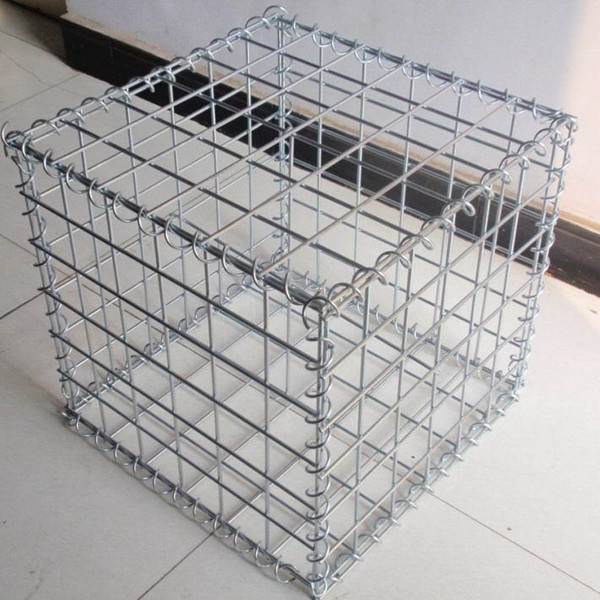
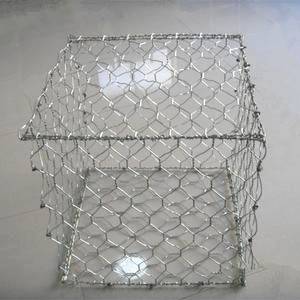
In Europe, environmental projects harness welded mesh for erosion control in riverbanks or coastal areas, often installing gabions — wire cages filled with stones — protected by this mesh. Large utilities also depend on it for fencing around power stations or telecom towers to ensure security and safety.
Interestingly, NGOs and humanitarian groups favor welded mesh fabric for its rapid deployment capability and modularity, supporting fast-building shelters that keep populations safer and more dignified. Welded mesh fabric acts as both barrier and reinforcement, a double duty that simplifies logistics in challenging environments.
Product Specification Table: Typical Welded Mesh Fabric
| Specification | Typical Range | Notes |
|---|---|---|
| Wire Diameter | 2mm – 6mm | Thicker wire = stronger support |
| Mesh Opening | 20mm x 20mm to 100mm x 100mm | Application-dependent spacing |
| Material | Mild steel, Galvanized steel, PVC coated | For corrosion protection |
| Panel Size | 1m x 2m (standard); Up to 2m x 4m custom | Affected by transport logistics |
| Weight per sqm | 3kg - 12kg | Varies by wire thickness and coating |
Vendor Comparison: Choosing the Right Supplier
| Supplier | Product Range | Lead Time | Customization | Price Level |
|---|---|---|---|---|
| Global Mesh Inc. | Standard and galvanized mesh | 2-3 weeks | Limited | Medium |
| EcoSteel Fabricators | PVC Coated, Custom sizes | 4-5 weeks | High | Higher |
| Rapid Weld Mesh | Basic mesh, bulk orders | 1 week | Minimal | Low |
Advantages and Long-Term Value of Welded Mesh Fabric
The name of the game here is trust — trust in safety, reliability, and value. Welded mesh fabric offers clear tangible benefits that come down to your bottom line and your conscience. Sustainability, for one, is key: longer-lasting installations mean less waste, fewer replacements, and thus reduced environmental footprint. That wraps nicely with global sustainable goals promoted by organizations like the ISO.
Emotionally, the material provides peace of mind. Whether it’s securing a child's playground or stabilizing a bridge, engineers say welded mesh fabric's uniform strength behavior leads to designs you can feel safe around. Social communities suffering from housing insecurity or lack of infrastructure often see their dignity bolstered when solutions use reliable materials — welded mesh fabric helps realize that vision.
Future Trends and Innovations in Welded Mesh Fabric
Looking ahead, the industry is exploring lighter composite materials and integration with digital fabrication techniques. Imagine meshes embedded with sensors to monitor strain or temperature in real-time, feeding data during storms or heatwaves. Green energy projects, like solar farms, increasingly rely on welded mesh solutions for fencing that doesn't interfere with installations yet remains secure.
Automation in production lines is shortening lead times and enabling more complex patterns, permitting architects and engineers new freedoms. And sustainability efforts push for fully recyclable coatings and lower-emission manufacturing processes. It's a vibrant space, and staying updated can kind of feel like watching innovation unfold live.
Challenges Facing Welded Mesh Fabric and How to Solve Them
No material is perfect. For welded mesh fabric, rust over time can still be a concern despite coatings, especially in highly acidic or marine environments. Also, improper welding or inconsistent quality can lead to weak spots, which some users have encountered. Logistics can be another hurdle — large panels are bulky and awkward to transport in difficult terrain.
Experts suggest strict quality audits and choosing suppliers with certifications to ensure uniform weld integrity. Modular packaging and segmented panel designs reduce transport issues. And ongoing research into non-metallic welded meshes may offer better corrosion resistance down the road.
FAQs About Welded Mesh Fabric
- Q: How long does welded mesh fabric typically last outdoors?
A: When galvanized or PVC-coated, it can last 15–25 years under normal weather conditions, though coastal or industrial areas might shorten that lifespan. - Q: Can welded mesh fabric be recycled?
A: Yes, most steel welded mesh fabric is recyclable, which supports circular economy goals and reduces landfill waste. - Q: Is installation of welded mesh fabric complicated?
A: Generally no. Due to its consistent grid, installation requires fewer specialized tools than rebar, which speeds up construction timelines. - Q: Are there standards certifying welded mesh fabric quality?
A: Absolutely! Many suppliers comply with ISO standards (ISO 1461 for galvanizing, for instance) and local building codes require compliance. - Q: How can NGOs source welded mesh fabric internationally?
A: NGOs often partner with certified global suppliers who provide containerized shipments along with customizable specifications to meet project requirements.
Conclusion: The Strong Thread We Often Overlook
In the grand tapestry of construction and industry, welded mesh fabric is that reliable thread holding many things together — often unnoticed until you really think about it. Its balance of durability, affordability, and adaptability makes it indispensable worldwide, from mega infrastructure to simple fencing.
For professionals aiming for smart, sustainable solutions with lasting impact, welded mesh fabric deserves a top spot on the materials list. Curious to explore different grades or need a custom mesh? Don’t hesitate — visit our website for detailed specs, samples, and expert guidance.
Quick Recap
- Welded mesh fabric supports global infrastructure and humanitarian needs.
- Durability and customization make it hugely versatile.
- Advancements keep pushing its performance and sustainability.
- Choosing quality suppliers mitigates risks and maximizes value.
References
-
The Ultimate Guide to Hardware Cloth 1x1 Versatility and Strength
NewsApr.16,2026
-
Ultimate Guide to hardware cloth 1 4 mesh for Strength and Versatility
NewsApr.09,2026
-
Comprehensive Guide to Hardware Cloth 1/4 Inch Mesh for Versatile Applications
NewsApr.07,2026
-
Comprehensive Guide to Hardware Cloth 1 2 Inch Mesh 36 Applications and Benefits
NewsApr.04,2026
-
Comprehensive Guide to Gi Wire Mesh for Fencing and Its Applications
NewsMar.31,2026
-
Comprehensive Guide to GI Square Mesh Applications and Benefits
NewsMar.28,2026