
Nov . 21, 2024 23:23 Back to list
weld mesh size chart
Understanding Weld Mesh Size Charts
Weld mesh, also known as welded wire mesh or welded wire fabric, is a versatile material widely used in construction, agriculture, and various industrial applications. Its popularity can be attributed to its strong structure, durability, and variety of uses. One of the crucial aspects when working with weld mesh is understanding the size chart, which outlines the different specifications available in the market.
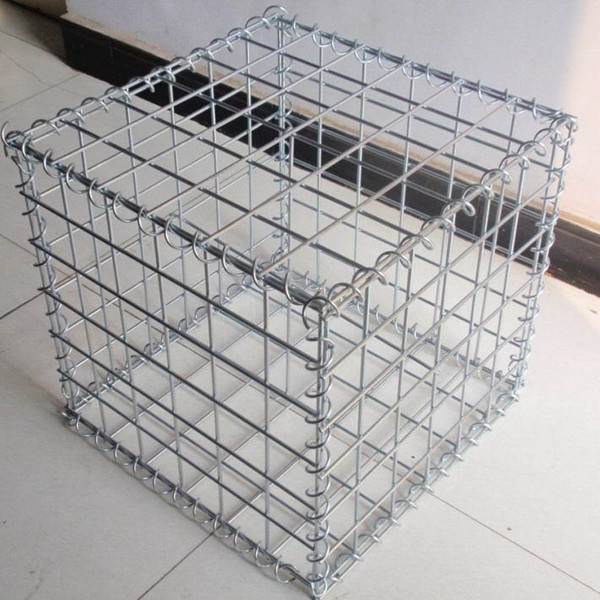
Weld mesh is manufactured by welding together horizontal and vertical wires to form a grid-like pattern. The size of the mesh is determined by the spacing between the wires, the diameter of the wires, and the overall dimensions of the panels. A weld mesh size chart typically includes vital information such as the gauge of the wire, the opening size (the distance between the wires), and the overall panel size.
Key Components of a Weld Mesh Size Chart
1. Wire Gauge The wire gauge refers to the thickness of the wire used in the mesh. It is usually measured in gauges, with a lower gauge indicating a thicker wire. Common wire gauges for weld mesh range from 8 to 18, with heavier gauges used for applications requiring higher strength and durability.
2. Mesh Opening Size This refers to the size of the openings created by the intersection of the wires. Mesh openings can vary significantly depending on the application, with typical sizes ranging from 1/4 inch to 6 inches. Smaller openings are often used in applications requiring fine filtration or containment, while larger openings are suitable for construction and fencing.
3. Overall Panel Size Weld mesh panels come in various dimensions to cater to different needs. They can range from small sheets of 2x4 feet to larger panels exceeding 8x20 feet. The choice of panel size will depend on the project requirements and the area being covered.
weld mesh size chart
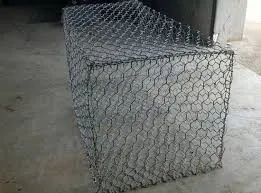
Applications of Weld Mesh
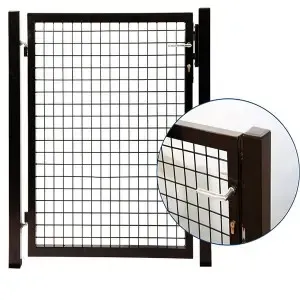
Weld mesh is utilized in numerous applications due to its adaptability. In the construction industry, it serves as reinforcement in concrete slabs, walls, and foundations, enhancing structural integrity. In agriculture, it is used for fencing livestock, creating pens, and supporting plants. Additionally, it can be employed in security applications for windows and doors or as a barrier in industrial settings.
Selecting the Right Weld Mesh
When selecting the appropriate weld mesh for a project, understanding the size chart is crucial. Considerations include the specific requirements of the application, such as load-bearing capacity, exposure to the elements, and aesthetic preferences. For instance, for a fence requiring enhanced security, a thicker wire gauge and smaller mesh opening would be preferable. Conversely, for agricultural use where visibility and air circulation are essential, a lighter gauge with larger openings may be more suitable.
Conclusion
In summary, weld mesh size charts are essential tools for anyone working with this versatile material. They provide critical information needed to select the right mesh for specific applications, ensuring safety, durability, and effectiveness. By understanding the components of a weld mesh size chart, individuals and professionals can make informed choices that meet their project needs efficiently. Whether for construction, agriculture, or security, the right weld mesh can significantly impact the success of a project.
-
The Ultimate Guide to Hardware Cloth 1x1 Versatility and Strength
NewsApr.16,2026
-
Ultimate Guide to hardware cloth 1 4 mesh for Strength and Versatility
NewsApr.09,2026
-
Comprehensive Guide to Hardware Cloth 1/4 Inch Mesh for Versatile Applications
NewsApr.07,2026
-
Comprehensive Guide to Hardware Cloth 1 2 Inch Mesh 36 Applications and Benefits
NewsApr.04,2026
-
Comprehensive Guide to Gi Wire Mesh for Fencing and Its Applications
NewsMar.31,2026
-
Comprehensive Guide to GI Square Mesh Applications and Benefits
NewsMar.28,2026