
Dec . 01, 2025 20:00 Back to list
Understanding 4x4 Welded Wire Mesh Prices: Global Market Insights & Buying Tips
Why 4x4 Welded Wire Mesh Prices Matter Globally
If you're new to the term, 4x4 welded wire mesh might just sound like your average industrial staple. However, this humble material quietly supports everything from construction and agriculture to sanitation and disaster relief, worldwide. Its pricing, often overlooked, is actually a key indicator of material accessibility, project cost forecasts, and even economic trends in manufacturing sectors.
Globally, investments in infrastructure and humanitarian aid depend on materials that are affordable, reliable, and scalable. Understanding 4x4 welded wire mesh prices helps planners and engineers alike balance budgets against quality and durability. It's not just about numbers; it’s about building resilience and safety in every corner of the world.
Mini takeaway: Knowing how 4x4 welded wire mesh prices fluctuate can guide smarter decisions for construction and relief efforts internationally.
Introduction: The Worldwide Context of 4x4 Welded Wire Mesh Prices
The international market for construction and industrial materials is a complex one, and 4x4 welded wire mesh is at the heart of it. According to the World Bank, developing regions are investing billions in infrastructure by 2030—projects where welded wire mesh plays a critical role. However, price volatility due to raw material costs, shipping, and tariffs often complicates procurement efforts. The United Nations' reports on urban development also underline the need for cost-effective, sturdy materials that can be quickly deployed post-crisis.
It’s a bit like balancing on a seesaw—project managers want quality but must manage budget constraints, and fluctuating 4x4 welded wire mesh prices often tip that balance. The challenge? Securing mesh that’s affordable without sacrificing durability or delivery speed, especially when working in remote or disaster-prone areas.
What Is 4x4 Welded Wire Mesh Pricing, Really?
Simply put, 4x4 welded wire mesh refers to steel or metal wires welded at 4-inch intervals, both horizontally and vertically, creating a uniform grid pattern. The "4x4" describes that spacing in inches — handy for many structural and fencing needs. The price varies depending on wire gauge, coating type, dimensions, and supplier logistics.
In real terms, it's a commodity priced per square foot or roll, with costs affected by steel prices globally and manufacturing methods. For industries, pricing isn’t just about dollars: it's about ensuring that this mesh can serve crucial functions like reinforcing concrete, creating secure fencing, or even improving water sanitation barriers in emergency zones.
Mini takeaway: 4x4 welded wire mesh prices reflect both raw material trends and practical specs, making it a key budgeting element across sectors.
Core Components Impacting 4x4 Welded Wire Mesh Prices
1. Material Quality & Durability
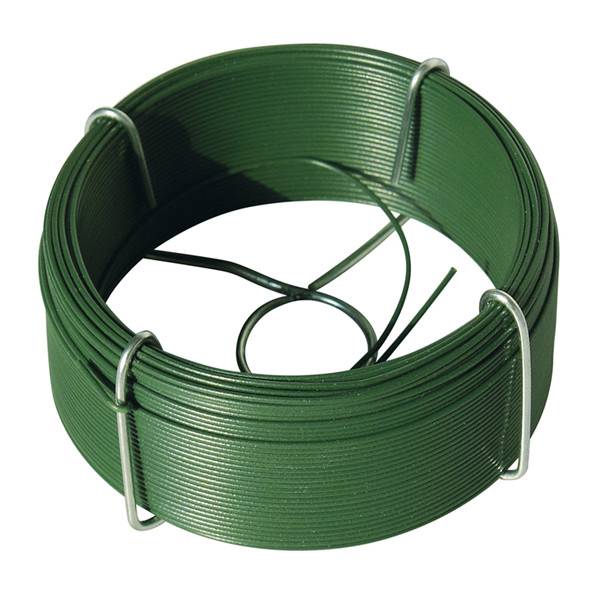
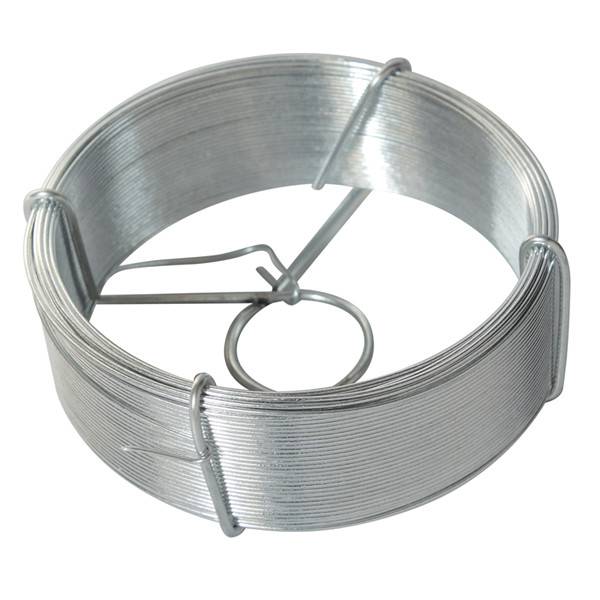
The gauge of wire and the coating type (galvanized, PVC-coated, stainless steel) directly influence price. Thicker or stainless steel wires offer longer lifespan but cost more upfront.
2. Dimensions and Roll Size
Larger or wider rolls benefit from economies of scale, but might be pricier per purchase. For example, a 4x4 welded wire mesh roll of 50 feet differs in cost from a 100-foot roll.
3. Manufacturing Processes
Automation and the precision of welding equipment can affect pricing. More advanced factories tend to produce consistent products with less waste but may charge a premium.
4. Logistics & Shipping Costs
Because these rolls are bulky, freight and handling can add a significant percentage to the total cost — especially if sourced overseas.
5. Market Supply & Demand
Steel price fluctuations, import tariffs, and local demand shifts can make prices swing within short periods.
6. Environmental & Compliance Factors
Increasingly, eco-friendly coatings or sustainable sourcing are factors that add layers of cost but appeal to green-conscious buyers.
Mini takeaway:
Your cost depends on quality specs, manufacturing sophistication, and logistics—each a cog in the price machine.
Product Specification Overview
| Specification | Details |
|---|---|
| Wire Thickness | 14 to 10 gauge |
| Mesh Spacing | 4 in x 4 in (100mm x 100mm) |
| Material | Carbon steel, galvanized or PVC-coated |
| Roll Length | 50 to 150 feet |
| Standard Width | 3 to 6 feet |
| Coating Type | Hot-dip galvanized or PVC-coated for corrosion resistance |
Who Uses 4x4 Welded Wire Mesh? Global Use Cases
From sprawling agricultural fields in South America to refugee camps in Africa, 4x4 welded wire mesh finds itself central to countless applications. In construction, it’s used for concrete reinforcement and fencing. Humanitarian organizations use it to build temporary secure perimeters that safeguard families and resources. Even in industrial zones in Asia, it acts as protection barriers around machinery.
One interesting case: After the 2010 earthquake in Haiti, NGOs sourced massive quantities of welded wire mesh for quick assembly of shelters and sanitation zones. The mesh’s pricing beat out alternatives, enabling faster procurement and deployment. Meanwhile, European greenhouses benefit from the durability of such wire mesh for years without replacements.
4x4 welded wire mesh prices thus become not just numbers, but a lifeline enabling projects that shape lives and economies, a fabric connecting continents.
Vendor Comparison: Quick Price and Quality Check
| Vendor | Price per sqft | Gauge | Coating | Lead Time |
|---|---|---|---|---|
| SteelPro Supplies | $1.55 | 12 gauge | Hot-dip galvanized | 2 weeks |
| Global Mesh Co. | $1.80 | 14 gauge | PVC-coated | 3 weeks |
| EcoWire Solutions | $2.10 | 10 gauge | Stainless steel | 1 week |
The Advantages and Long-Term Value of Wise Purchasing
When you factor in lifecycle cost rather than just sticker price, spending that little extra on premium 4x4 welded wire mesh can pay off in spades. Increased durability means less frequent replacements — which, in remote or challenging environments, translates to huge savings and less downtime.
Environmentally, choosing galvanized or coated mesh reduces corrosion, cutting waste and making projects more sustainable. Socially, reliable fencing or reinforcement increases safety and protection, fostering trust within communities or workforces. There’s something satisfying about material that holds up against time and weather — it quietly reinforces hope and progress.
Future Trends Shaping 4x4 Welded Wire Mesh Prices
As green manufacturing pushes forward, expect innovations like recycled steel wires or eco-friendly polymer coatings. Automation and AI-powered production lines are making welding precision higher, reducing defects and costs in the long term. Digital supply chains might even provide real-time pricing updates and sourcing transparency—something I, frankly, think the industry has been overdue for.
Additionally, as the circular economy gains traction, reusing or re-purposing 4x4 welded wire mesh after initial use might become standard, influencing pricing and market dynamics.
Challenges Faced and Possible Solutions
One well-known issue is the price sensitivity to global steel cost swings — sometimes frustrating project forecasting with unexpected budget spikes. Also, delivery delays due to bulkiness and customs can stall timelines.
Solutions? Working with local vendors where possible shortens supply chains and cuts shipping costs. Also, locking in prices via contracts or buying inventory in bulk ahead of need can shield projects from unpredictable spikes. Advances in lightweight composites or hybrid grids may reduce weight in future products.
FAQ: Quick Answers About 4x4 Welded Wire Mesh Prices
- Q: What factors cause 4x4 welded wire mesh prices to vary the most?
A: Primarily, steel market fluctuations, wire gauge/thickness, coating type, and supplier logistics influence pricing. Seasonal demand and tariffs also play roles. - Q: Can I purchase custom-sized 4x4 welded wire mesh rolls?
A: Yes, many suppliers offer custom roll dimensions or cut-to-length options to fit your specific project needs. - Q: How can NGOs source quality mesh affordably for emergency relief?
A: Partnering with local manufacturers and bulk purchasing before emergencies can reduce costs. Also, some suppliers provide NGO discounts or expedited shipping options. - Q: Does coating type significantly affect longevity and price?
A: Absolutely. Hot-dip galvanizing offers strong corrosion resistance at a moderate price, while PVC or stainless steel coatings improve lifespan but at a premium. - Q: Where can I monitor updated 4x4 welded wire mesh prices reliably?
A: Industry websites, steel market indexes, and platforms like Hardware In Store track pricing trends with fairly good accuracy.
Conclusion: Making Smart Choices in a Dynamic Market
At the end of the day, understanding 4x4 welded wire mesh prices means grasping the complex blend of material science, manufacturing prowess, and global economics — all crucial to delivering projects on time and within budget. By factoring in quality specs, supplier reputation, and market trends, you ensure that your mesh choice supports not just structures but also sustainability and social impact.
Ready to explore the latest options? Visit Hardware In Store to check current 4x4 welded wire mesh prices and discover options tailored to your needs.
References
-
The Ultimate Guide to Hardware Cloth 1x1 Versatility and Strength
NewsApr.16,2026
-
Ultimate Guide to hardware cloth 1 4 mesh for Strength and Versatility
NewsApr.09,2026
-
Comprehensive Guide to Hardware Cloth 1/4 Inch Mesh for Versatile Applications
NewsApr.07,2026
-
Comprehensive Guide to Hardware Cloth 1 2 Inch Mesh 36 Applications and Benefits
NewsApr.04,2026
-
Comprehensive Guide to Gi Wire Mesh for Fencing and Its Applications
NewsMar.31,2026
-
Comprehensive Guide to GI Square Mesh Applications and Benefits
NewsMar.28,2026