
Nov . 29, 2025 03:40 Back to list
Tata Welded Wire Mesh - Durable & Versatile Steel Mesh Solutions
Understanding Tata Welded Wire Mesh: A Global Perspective
If you’ve ever wandered around a construction site, a warehouse, or even a gardening store, chances are you’ve encountered tata welded wire mesh — perhaps without even realizing it. This deceptively simple grid of intertwined steel wires plays a surprisingly vital role in industries worldwide. But why does this matter so much on a global scale?
In a world grappling with rapid urbanization, climate change, and infrastructure demands, the strength and adaptability of materials like welded wire meshes become crucial. According to the International Organization for Standardization (ISO), the global steel market continues to expand annually by nearly 3.5%, driven by construction and manufacturing needs. Amid this surge, products like the rah renowned Tata brand welded wire mesh help deliver resilience and sustainability to projects from sprawling cities to rural outposts.
Now, what exactly is the importance here? Beyond just being “wire grids,” these elements solve a problem that’s as old as building itself: providing safe, strong frameworks at a reasonable cost and with versatility across applications. Whether for reinforcing concrete, securing premises, or forming efficient transportation barriers, understanding tata welded wire mesh unlocks a deeper appreciation of how modern infrastructure comes together.
What Is Tata Welded Wire Mesh, Anyway?
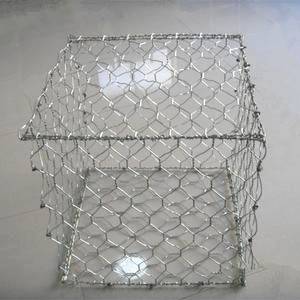
At its core, tata welded wire mesh consists of intersecting steel wires welded at every junction to form a sturdy grid pattern. Unlike woven wire mesh, this welded design offers enhanced rigidity and uniformity. The Tata Group, a major Indian industrial powerhouse, produces these meshes to exacting quality standards, ensuring durability and consistent performance.
In everyday terms, think of tata welded wire mesh as the skeleton of many construction and safety structures. It’s the invisible hero reinforcing concrete slabs, fencing off hazardous zones, or even shaping industrial cages. Its significance is felt not only in dense, urban landscapes but also in humanitarian ventures where rapid deployment and reliability are key.
Core Components & Key Features of Tata Welded Wire Mesh
Durability & Corrosion Resistance
The mesh is typically galvanized or coated to withstand rust and degradation — especially important in humid or coastal environments. This ensures longevity, reducing maintenance and replacement costs.
Versatility & Scalability
Manufactured in a range of sizes, thicknesses, and mesh openings, it adapts easily from small-scale DIY projects to large infrastructural endeavors.
Cost Efficiency
Compared to other reinforcements or fencing materials, this mesh offers a superior price-to-performance ratio, making it popular in emerging markets and budget-conscious projects.
Strength & Load Handling
The welded joints create a grid capable of carrying significant structural loads, especially when used to reinforce concrete, conforming to various ISO and ASTM quality standards.
Ease of Installation
Its modular design means quicker installation on-site, saving labor hours and reducing project timelines — a boon in fast-paced construction sites.
Common Specifications of Tata Welded Wire Mesh
| Specification | Details |
|---|---|
| Material | High tensile galvanized steel |
| Wire Diameter | 2.5 mm to 6.0 mm |
| Mesh Size (Grid Opening) | 25 mm x 25 mm up to 100 mm x 100 mm |
| Sheet Dimensions | 1 m x 2 m (standard; customizable) |
| Surface Treatment | Hot-dip galvanizing, electro-galvanizing |
Who Uses Tata Welded Wire Mesh and How?
The range of sectors deploying tata welded wire mesh is broad — from construction behemoths and agricultural farms to government projects and humanitarian groups. In Asia and Africa, where infrastructure must often be built quickly and reliably, engineers prioritize this mesh for reinforcing slabs and walls. In post-disaster relief operations, NGOs rely on its modularity for rapid assembly of protective barriers or shelters — sometimes in extremely harsh environments.
Remote industrial zones, such as mining or oil exploration sites, count on it for securing equipment and ensuring worker safety. Meanwhile, farmers use the mesh for animal enclosures or crop protection, proving its adaptability beyond heavy industry. It’s remarkable how a simple steel framework helps solve so many logistical and safety challenges worldwide.
Comparing Leading Suppliers of Welded Wire Mesh
| Vendor | Range of Sizes | Surface Treatment | Lead Time | Average Cost (per sheet) |
|---|---|---|---|---|
| Tata Steel | 2.5 mm - 6.0 mm wire, custom sizes | Hot-dip, electro-galvanized | 5-7 days | $15 - $25 |
| Bekaert | 3.0 mm - 5.0 mm wire | Galvanized | 7-10 days | $17 - $27 |
| ArcelorMittal | 2.0 mm - 6.0 mm wire | Electro galvanized | 6-8 days | $16 - $26 |
Why Tata Welded Wire Mesh is Worth Your Investment
Beyond specs and numbers, tangible advantages come from using high-quality welded wire mesh. Money-wise, you get reduced wastage and fewer repairs over time. Since the mesh offers consistent strength, structures are safer, which means fewer accidents and lower insurance claims — a non-trivial benefit.
The environmental angle is important too. Using galvanized steel means increased lifespan, which delays replacements and lessens raw material demand. Many projects now look beyond cost alone, factoring in sustainability as a core value.
On a human level, this mesh represents trust. In disaster zones or construction sites, employees and residents rely on these frameworks to provide protection and dignity. It feels good to know the materials you pick don’t just “hold things up” but keep people safe.
Looking Forward: The Future of Welded Wire Mesh
Innovation hasn’t left this sector behind, oddly enough. New coatings promise even better corrosion resistance using eco-friendly chemicals. Integration with automation lines is speeding up production, shrinking lead times.
Digitally, manufacturers are experimenting with QR-coded sheets, allowing instant traceability and quality verification on-site. There’s also a growing trend towards using recycled steel in production, aligning with global climate commitments.
Industries are exploring smart security fencing solutions that embed sensors into wire meshes for real-time monitoring — marrying physical durability with the digital age’s demands.
Challenges and How the Industry is Tackling Them
Sure, it’s not all smooth. Some challenges include supply chain bottlenecks for high-quality steel, regional variations in standards, and environmental concerns around zinc use in galvanization.
Experts suggest closer collaboration between steel producers, mesh fabricators, and end-users to streamline specs and certification. Tech like 3D printing could usher in bespoke mesh shapes tailored to very specific needs, albeit still emerging.
FAQs About Tata Welded Wire Mesh
Q1: Can tata welded wire mesh be customized for unique project needs?
A1: Absolutely. Manufacturers like Tata Steel provide various wire diameters, mesh sizes, and sheet dimensions. Custom fabrication is common for specialized structural or fencing requirements.
Q2: How long does galvanized welded wire mesh typically last?
A2: When properly installed and maintained, these meshes can last 15-25 years. Hot-dip galvanizing notably extends corrosion resistance compared to untreated steel.
Q3: Is there a significant price difference between Tata welded wire mesh and other brands?
A3: Prices vary based on specs and coatings, but Tata is known for competitive pricing often paired with high-quality assurance, making it a reliable investment.
Q4: How do I ensure imported welded wire mesh meets local standards?
A4: Always request compliance certificates and ISO/ASTM test results. Working with certified suppliers and third-party inspections helps mitigate risks.
Wrapping It Up
When you think about it, tata welded wire mesh isn’t just about steel wires crisscrossed on sheets. It’s about building strength and trust into structures that matter—globally. From bustling cities to vulnerable rural areas, these meshes help solve real problems, blending durability, sustainability, and affordability with surprisingly elegant simplicity.
Interested in incorporating this versatile material into your next project? Visit our website: https://www.hardwareinstore.com for the latest catalogs and expert advice.
References
-
The Ultimate Guide to Hardware Cloth 1x1 Versatility and Strength
NewsApr.16,2026
-
Ultimate Guide to hardware cloth 1 4 mesh for Strength and Versatility
NewsApr.09,2026
-
Comprehensive Guide to Hardware Cloth 1/4 Inch Mesh for Versatile Applications
NewsApr.07,2026
-
Comprehensive Guide to Hardware Cloth 1 2 Inch Mesh 36 Applications and Benefits
NewsApr.04,2026
-
Comprehensive Guide to Gi Wire Mesh for Fencing and Its Applications
NewsMar.31,2026
-
Comprehensive Guide to GI Square Mesh Applications and Benefits
NewsMar.28,2026