
Dec . 02, 2025 16:18 Back to list
GI Welded Mesh Manufacturers: Global Insights, Specs & Future Trends
Understanding GI Welded Mesh Manufacturers: A Global Perspective
For many industries—from construction to agriculture—getting the right fencing or support materials matters more than you might realize. That’s where GI welded mesh manufacturers come into play. These producers provide galvanized iron (GI) welded mesh products that are not only strong and durable but also versatile enough for countless applications worldwide. Understanding what they offer—and why they matter globally—can help decision-makers, engineers, and buyers make smarter choices on sourcing and sustainability.
Why Does This Matter in a Global Context?
Globally, infrastructure development is booming. According to the World Bank, emerging markets require over $100 trillion in infrastructure investments over the next three decades. A huge part of this involves securing constructions, agricultural boundaries, and urban planning facilities. Materials like reinforced mesh fencing are foundational here, and galvanized iron welded mesh—produced by specialized manufacturers—is often the go-to for its corrosion resistance and structural strength.
Yet the industry faces challenges: sourcing reliable mesh materials that balance cost, performance, and environmental impact is delicate. That’s why understanding the suppliers—gi welded mesh manufacturers—their specs and trends can make a difference in long-term project success.
Defining GI Welded Mesh Manufacturers
So, what exactly are GI welded mesh manufacturers? It’s straightforward: these are companies that produce welded mesh made from galvanized iron wire. The “galvanized” bit means they coat the iron wire with zinc to resist rust and corrosion—key for outdoor or harsh environments.
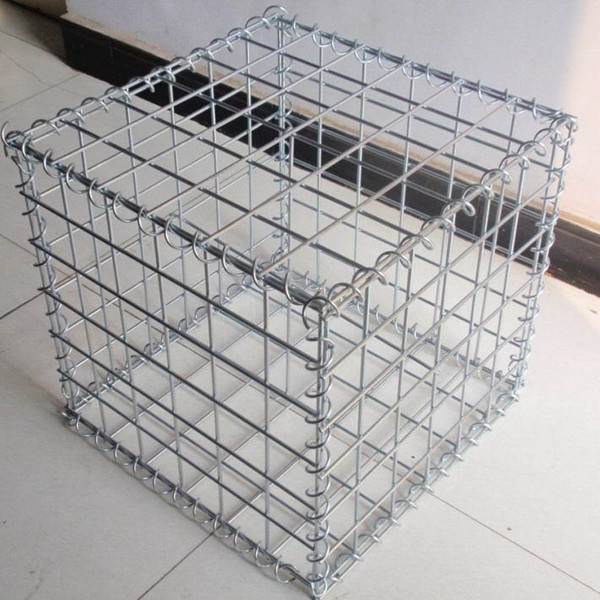
The mesh is typically welded at intersections, creating a grid-like panel that’s stronger and more durable than woven alternatives. Manufacturers vary in size and specialization, but their common goal is to provide consistent mesh panels used in fencing, concrete reinforcement, cages, and more. They serve a crucial role, straddling modern industrial needs and even humanitarian applications, like safe shelter construction in disaster-hit zones.
Key Factors About GI Welded Mesh Manufacturers
1. Durability
GI welded mesh must withstand harsh weather, from torrential rains to high humidity. The zinc coating reduces oxidation, extending life spans by years. Many manufacturers test their mesh to meet ISO 1461 standards for zinc coating thickness and adhesion, which frankly, is a good indicator of real-world durability.
2. Scalability
Whether it’s a local farm needing a few hundred mesh panels or a massive concrete project requiring thousands, manufacturers usually offer scalable production. Automation and modern welding tech allow quick turnaround without sacrificing quality. This scalability ensures industries can meet deadlines efficiently.
3. Cost Efficiency
Galvanized welded mesh strikes a thoughtful balance: more expensive than plain wire mesh, but less so than stainless steel options. It provides long-term savings by reducing maintenance costs and replacements—a factor many buyers overlook initially.
4. Customization
Wire diameter, mesh size, panel dimensions—these vary widely. Good manufacturers will tailor these specs to customer needs, optimizing the mesh for particular projects, whether that’s heavy-load concrete reinforcement or lightweight fencing.
5. Environmentally Responsible Production
More manufacturers today align with environmental standards. Zinc coating is eco-friendly relative to other chemical treatments. Plus, many producers recycle scrap metal internally, reducing waste—something increasingly important in global sourcing conversations.
Mini takeaway: GI welded mesh manufacturers combine technical precision and adaptability—offering products that are strong, customizable, and environmentally mindful.
Global Applications & Use Cases
- Construction Industry: Reinforcement in concrete slabs, security fencing around sites.
- Agriculture: Animal enclosures, crop protection where rust resistance is critical.
- Humanitarian Aid: Rapidly deployed fencing for refugee camps or disaster relief areas.
- Urban Development: Roadside barriers, green space fencing across cities worldwide.
For instance, in Southeast Asia, manufacturers supply large mesh volumes for new industrial zones, while NGOs in Africa rely on galvanized mesh panels for safe community enclosures after emergencies.
Advantages & Long-Term Value of Choosing Established Manufacturers
From a cost perspective, investing in quality GI welded mesh pays off remarkably over time. The longevity and minimal maintenance lead to fewer replacements—meaning less downtime and disruption on-site. There’s also safety: durable mesh supports structural integrity, reducing accidents.
Conversely, the social impact can't be ignored. Strong fencing and cage materials provide dignity—be it livestock protection or community security. Many engineers emphasize the trust that comes from sourcing from credible gi welded mesh manufacturers who adhere to international standards.
Product Specification Table: Typical GI Welded Mesh Panel
| Specification | Standard Values |
|---|---|
| Wire Diameter | 2 mm – 6 mm |
| Mesh Size (Opening) | 12.5 mm × 12.5 mm to 100 mm × 100 mm |
| Panel Size | 2 m × 3 m (common), custom available |
| Zinc Coating Thickness | 45 – 65 g/m² (ISO 1461) |
| Tensile Strength | 350 – 550 MPa |
Vendor Comparison: Leading GI Welded Mesh Manufacturers
| Manufacturer | Production Capacity | Certifications | Customization Options | Sustainability Practices |
|---|---|---|---|---|
| Alpha Mesh Co. | 50,000 panels/month | ISO 9001, ISO 1461 | Wire gauge, panel size, zinc thickness | Recycles scrap, low VOC coatings |
| EcoGuard Fabrics | 30,000 panels/month | ISO 14001, ISO 9001 | Custom mesh patterns, panel lengths | Solar-powered plant, water recycling |
| SteelSecure Industries | 70,000 panels/month | ISO 9001, ASTM standards | Heavy gauge wire, galvanized & PVC coated | Waste heat recovery, ISO audited |
Future Trends & Innovations in GI Welded Mesh Manufacturing
Oddly enough, while the material seems “old school,” the industry is embracing smart technologies. Robotics improve welding consistency while reducing defects. There's a push toward eco-friendly zinc alternatives and hybrid coatings offering superior protection plus reduced environmental impact.
Moreover, digital inventory and IoT-powered supply chains help manufacturers forecast demand better, reducing waste. Some companies experiment with biodegradable composite coatings aligned with growing sustainability goals.
Challenges & Expert Solutions
One challenge: maintaining coating integrity during transportation, especially in humid or salty environments. Some engineers recommend extra packaging layers or post-delivery site treatments.
Also, smaller manufacturers struggle to keep pace with scaling demands without quality loss. Collaboration with tech partners and adopting automation helps bridge that gap.
FAQ: Frequently Asked Questions About GI Welded Mesh Manufacturers
- What factors should I consider when choosing a GI welded mesh manufacturer?
- Look for certifications like ISO 1461 for galvanizing quality, production capacity to match your needs, customization options, and sustainability practices. Also, consider customer reviews and delivery reliability.
- How long does galvanized welded mesh typically last outdoors?
- With proper zinc coating (usually 45–65 g/m²), you can expect 15–25 years of service life in typical outdoor conditions, though local climate impacts longevity.
- Can GI welded mesh be customized for heavy industrial use?
- Yes, manufacturing allows variations in wire diameter, mesh size, and coatings (e.g., adding PVC) for heavy-duty applications requiring enhanced strength and protection.
- Are galvanized welded mesh panels recyclable?
- Absolutely. Both iron and zinc are recyclable materials. Scraps and old panels can usually be reprocessed, reducing environmental impact.
- How do businesses import GI welded mesh internationally?
- Usually through reliable supply chains involving customs clearance with certifications verifying quality standards. Partnering with vetted manufacturers and freight forwarders is key to smooth international trade.
Conclusion
GI welded mesh manufacturers hold a vital role in global infrastructure, offering products that balance durability, cost, and sustainability. For anyone involved in construction, agriculture, or community development, understanding these manufacturers—and their products’ spec—ensures smarter procurement, greater safety, and long-term value. Curious to explore trusted suppliers or need custom solutions? Visit our website and dive into a curated network of verified manufacturers ready to serve your needs.
At the end of the day, robust infrastructure starts with robust materials — and galvanized iron welded mesh remains a cornerstone in that foundation.
Brief takeaway: The world might be evolving fast, but galvanized welded mesh, with its strength and adaptability, remains fundamental. And knowing your manufacturers? That’s the real game changer.
References
-
The Ultimate Guide to Hardware Cloth 1x1 Versatility and Strength
NewsApr.16,2026
-
Ultimate Guide to hardware cloth 1 4 mesh for Strength and Versatility
NewsApr.09,2026
-
Comprehensive Guide to Hardware Cloth 1/4 Inch Mesh for Versatile Applications
NewsApr.07,2026
-
Comprehensive Guide to Hardware Cloth 1 2 Inch Mesh 36 Applications and Benefits
NewsApr.04,2026
-
Comprehensive Guide to Gi Wire Mesh for Fencing and Its Applications
NewsMar.31,2026
-
Comprehensive Guide to GI Square Mesh Applications and Benefits
NewsMar.28,2026