
Dec . 03, 2025 13:08 Back to list
Everything You Need to Know About 1x1 Inch Wire Mesh: Uses, Benefits & Trends
Understanding 1x1 Inch Wire Mesh: A Small Grid with Big Global Impact
At first glance, a 1x1 inch wire mesh might not seem like the most thrilling topic — it’s literally a grid of metal wires spaced one inch apart. But this humble mesh plays a surprising role across industries and communities worldwide. From agricultural fencing and construction reinforcement to humanitarian relief and industrial filtration, understanding the nuts and bolts (and wires!) of 1x1 inch mesh brings clarity to how small-scale engineering supports large-scale challenges. Frankly, appreciating its benefits helps businesses and organizations make smarter, sustainable choices in infrastructure and safety.
Global Context: Why Wire Mesh Matters Today
Wire mesh products are part of a global market expected to reach nearly $7.5 billion by 2027 according to market research reports. Such growth reflects intensified construction activity, advances in agriculture, and heightened security demands. The ISO standards for wire mesh ensure quality and safety across borders — crucial as meshes are shipped worldwide for uses in under-resourced regions and bustling industrial zones alike.
Take this: in disaster zones, sturdy wire mesh fencing is often a first line of protection for temporary shelters — a swift, cost-effective barrier that helps restore dignity and safety for displaced families. The global challenge is deploying durable, affordable, and scalable materials such as 1x1 inch wire mesh which meet varied needs without overburdening fragile economies.
What Exactly is 1x1 Inch Wire Mesh?
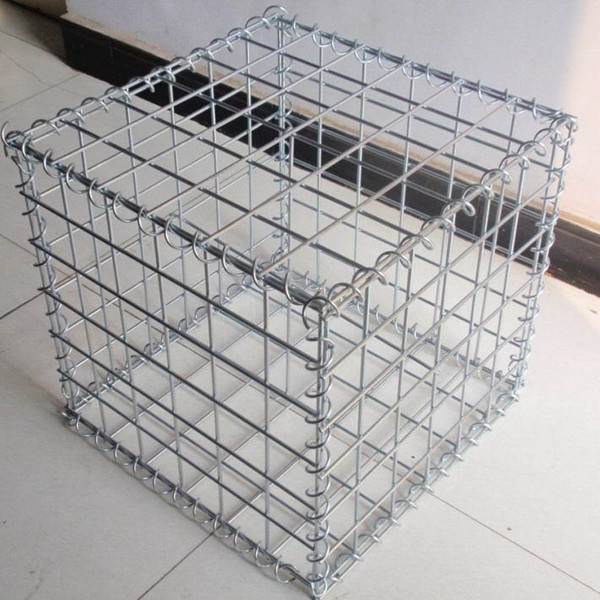
Simply put, it’s a sheet of woven or welded metal wires with square openings measuring one inch on each side. The wire thickness, mesh weaving type, and material (often galvanized steel or stainless steel) varies depending on use. This tight-but-not-too-tight spacing grants a balance: small enough to stop most rodents or debris, but large enough to allow airflow and visibility. It serves as a modular building block in fencing, cages, filtration, and more.
This wire mesh connects to modern industry needs by offering a flexible, standardized component that can be repaired or replaced easily — important for sectors from agriculture to manufacturing, and even humanitarian relief efforts aiming to rebuild infrastructure fast after crises.
Core Components of 1x1 Inch Wire Mesh
1. Durability
Typically coated with zinc or PVC, these meshes resist rust and corrosion, critical for outdoor or humid environments. I’ve often found that untreated wire simply won’t last a season outdoors — especially in coastal regions with salty air.
2. Scalability
The modular nature means you can easily cut and join pieces for anything from small cages to perimeter fencing across sprawling farms or construction sites. That flexibility eases transport and installation challenges, especially in remote areas.
3. Cost Efficiency
Compared to solid sheet metal or wooden panels, wire mesh offers a less expensive, lighter alternative — though prices fluctuate with steel tariffs and raw material shortages. Still, for many projects, it balances price and performance nicely.
4. Versatility
The mesh appears in countless applications: filtration of fluids, reinforcement in concrete, protective cages for equipment, animal enclosures, and more. You name it — there’s probably a 1x1 inch wire mesh doing the job.
5. Safety and Security
Its physical barrier properties deter entry of pests and unauthorized persons while maintaining visibility, helping guard property or crops without creating blind spots.
Product Specifications at a Glance
| Specification | Typical Value |
|---|---|
| Mesh Opening Size | 1 inch x 1 inch (25.4 mm x 25.4 mm) |
| Wire Diameter Range | 14 - 10 gauge (2.11 mm - 3.40 mm) |
| Material | Galvanized Steel, Stainless Steel, PVC-Coated Steel |
| Sheet Dimensions | Typically 4 ft x 50 ft or custom cut |
| Finish | Hot-Dip Galvanized or Electro-Galvanized |
Global Applications and Use Cases
- Agriculture: Used extensively for animal enclosures, crop protection fencing, and trellising.
- Construction: Wire mesh reinforces concrete slabs and walls in commercial buildings worldwide, increasing structural integrity.
- Filtration & Screening: Industrial plants employ wire mesh screens for fluid and air filtration.
- Disaster Relief: NGOs rely on fencing mesh to quickly secure temporary shelters in crisis-hit regions of Africa and Asia.
- Security: Perimeter fencing at airports, warehouses, and manufacturing facilities worldwide features 1x1 inch mesh for visibility and protection.
For example, a relief program in the Philippines used galvanized 1x1 inch mesh extensively post-typhoon to rebuild community gardens and animal pens — a small, sturdy grid making a significant social impact.
Advantages and Long-Term Value
The tangible benefits of choosing 1x1 inch wire mesh include:
- Cost-effectiveness: Compared to alternatives, it’s a fraction of the price without compromising security or function.
- Durability: Corrosion resistance equates to years of reliable use — reducing replacement costs.
- Safety and Trust: A transparent barrier facilitates security while preserving community ties and trust.
- Sustainability: Many meshes are recyclable. Longevity reduces waste generation.
Emotionally speaking, it offers peace of mind to farmers protecting livestock and farmers, or families in fragile post-disaster zones rebuilding with limited means — the mesh becomes a silent, trusted guardian.
Future Trends and Innovations
Looking forward, expect to see:
- Eco-friendly coatings reduce environmental impact even further.
- Advanced mesh-weaving machines that improve uniformity and strength while lowering costs — crucial for global access.
- Integration of smart sensors within wire mesh for monitoring security or structural health, tying into IoT transformations.
- Expansion into composite wire meshes combining metals with polymers for enhanced flexibility and durability under extreme conditions.
These developments hint at a future where even this modest one-inch grid helps drive greener, smarter infrastructure worldwide.
Challenges and Practical Solutions
Of course, no product is perfect. Challenges include:
- Corrosion in harsh environments: Even galvanized meshes need maintenance under salty or polluted conditions.
- Installation hurdles: Cutting and shaping can be labor-intensive without the right tools.
- Theft and vandalism: Wire mesh can sometimes be targeted due to metal value.
Solutions? Using advanced polymer coatings addresses corrosion. Prefabricated panels ease installation, and security innovations like tamper-proof fittings deter theft.
Vendor Comparison for 1x1 Inch Wire Mesh
| Vendor | Material Options | Customization | Typical Lead Time | Price Range (per sq ft) |
|---|---|---|---|---|
| GlobalMesh Co. | Galvanized, PVC-Coated | Cut-to-size | 2-4 weeks | $1.20 - $2.00 |
| SteelGrid Ltd. | Stainless Steel, Galvanized | Roll lengths, custom gauge | 1-3 weeks | $1.50 - $2.50 |
| EcoMesh Innovations | Recycled Steel, Green Coatings | Custom panels & finishes | 3-6 weeks | $1.80 - $3.00 |
FAQ: Common Questions About 1x1 Inch Wire Mesh
- Q: What thickness of wire should I choose for outdoor fencing?
- A: For durable outdoor fencing, 12 to 14 gauge galvanized wire is common. Thicker wire (lower gauge) offers more strength and rust resistance, while thinner wire is lighter but less durable.
- Q: Can 1x1 inch wire mesh prevent rodent intrusion?
- A: It is generally effective at keeping out larger rodents like rats and rabbits, but smaller pests like mice might still squeeze through or climb over depending on the installation.
- Q: How do I maintain galvanized wire mesh to extend service life?
- A: Regular checks for rust, cleaning debris, and applying protective paint or coatings can significantly prolong the mesh’s life, especially in corrosive environments.
- Q: Are 1x1 inch wire meshes recyclable?
- A: Absolutely. Steel meshes are recyclable metals. When old fencing or mesh reaches end of life, it should be recycled through local scrap metal programs.
Wrapping Up: Why 1x1 Inch Wire Mesh Deserves Your Attention
In real terms, 1x1 inch wire mesh is one of those quiet workhorses in global infrastructure, quietly supporting industries ranging from agriculture to humanitarian aid. Its thoughtful design balances cost, durability, and versatility. Choosing the right mesh can make the difference between a quick fix and a lasting solution.
If you’re ready to explore options or need reliable suppliers, visit https://www.hardwareinstore.com for a range of products and expert advice.
Mini takeaway: Whether securing livestock or reinforcing construction, 1x1 inch wire mesh is a deceptively simple solution meeting complex global demands.
References
-
The Ultimate Guide to Hardware Cloth 1x1 Versatility and Strength
NewsApr.16,2026
-
Ultimate Guide to hardware cloth 1 4 mesh for Strength and Versatility
NewsApr.09,2026
-
Comprehensive Guide to Hardware Cloth 1/4 Inch Mesh for Versatile Applications
NewsApr.07,2026
-
Comprehensive Guide to Hardware Cloth 1 2 Inch Mesh 36 Applications and Benefits
NewsApr.04,2026
-
Comprehensive Guide to Gi Wire Mesh for Fencing and Its Applications
NewsMar.31,2026
-
Comprehensive Guide to GI Square Mesh Applications and Benefits
NewsMar.28,2026