
Nov . 25, 2025 17:00 Back to list
Electrowelded Mesh: Durable Steel Reinforcement Solutions for Modern Construction
Understanding Electrowelded Mesh: The Backbone of Modern Construction and Beyond
If you’ve ever driven by a construction site or looked at reinforced concrete, chances are you’ve seen electrowelded mesh in action — maybe without even realizing it. In essence, electrowelded mesh is a metal grid made by electrically welding steel wires at intersecting points. It forms a strong, reliable framework, primarily used to reinforce concrete and other building materials. While that sounds straightforward, this material is quietly taking on a global role that spans from infrastructure development to humanitarian efforts, thanks to its cost efficiency, durability, and versatility.
Given the world’s rapid urbanization—by 2050, nearly 68% of the global population is expected to live in urban areas according to the UN—robust construction materials like electrowelded mesh are becoming crucial. They help solve challenges around building safety, sustainability, and quick deployment, especially in developing regions and disaster zones. This article dives into why understanding electrowelded mesh matters globally, what it is, how it’s used, and where the future lies.
Discover quality electrowelded mesh products here.Electrowelded Mesh in the Global Construction Landscape
Globally, construction industries are growing at breakneck speeds, particularly in Asia and Africa. According to the World Bank, infrastructure investments surged by nearly 4% annually over the past decade. And behind most of these projects? Yes, steel reinforcements like electrowelded mesh. The mesh addresses a persistent problem: concrete by itself is strong in compression but weak in tension. The electrowelded grid gives it tensile strength, reducing cracks and structural failures.
More than that, its uniform wire grid helps distribute loads evenly, ensuring safety over decades. That’s no small thing when communities’ safety and critical infrastructure are at stake.
However, as much as the demand grows, challenges such as varying quality standards, supply chain delays, and cost pressures push the industry toward more efficient solutions. Understanding electrowelded mesh technology helps engineers, project managers, and suppliers choose the right specs to meet both safety and budget goals.
What Exactly is Electrowelded Mesh?
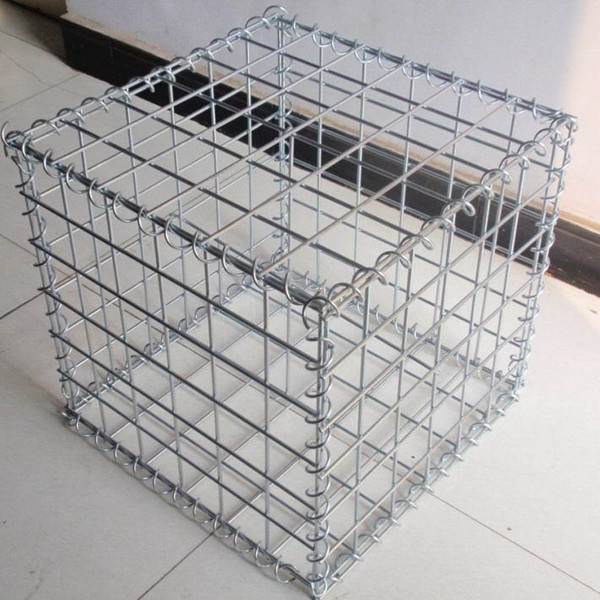
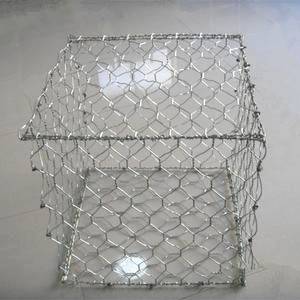
At its core, electrowelded mesh is a grid of steel wires welded together electrically at each intersection, rather than being woven or tied. This method ensures precision, consistent strength, and reduced material waste. Unlike traditional wire mesh, the welds guarantee the mesh holds its shape perfectly under tension and pressure.
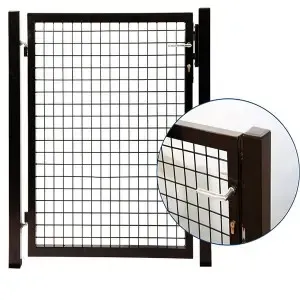
Industrial applications have expanded beyond construction: think fencing, cages, reinforcement in road foundations, and even agricultural uses. Its adaptability means it plays a quiet but essential role in modernizing industries and improving living standards.
Core Features of Electrowelded Mesh and Why They Matter
Durability and Corrosion Resistance
The raw steel wire used is often galvanized or coated to improve corrosion resistance. This is vital, especially in coastal environments or chemical-exposed zones where unprotected steel would degrade rapidly—causing cracks or structural weaknesses.
Standardization and Scalability
Electrowelded mesh adheres to international standards like ISO 522, ensuring consistent quality worldwide. This standardization enables manufacturers to produce mesh that fits perfectly with modular construction components, allowing projects to scale quickly without worrying about fitting errors.
Cost Efficiency Over Lifecycle
Because of its uniform strength and ease of installation, electrowelded mesh reduces labor costs and speeds up construction timelines. Though potentially more expensive upfront than some alternatives, it pays off by lowering maintenance and repair expenses long term.
Versatility in Design and Usage
The mesh comes in various wire gauges and grid sizes tailored to project needs, from delicate fencing to heavy-duty industrial tanks. Customization options make it suitable for everything from post-disaster shelter reinforcements to permanent highway bridges.
Mini takeaway:
- Electrowelded mesh’s durability, precise sizing, and corrosion resistance make it a trustworthy choice worldwide.
- It’s both practical and flexible, bridging gaps in infrastructure needs across diverse climates and project types.
Global Applications That Showcase Electrowelded Mesh’s Versatility
From urban skyscrapers in Dubai to rural roadways in sub-Saharan Africa, electrowelded mesh is everywhere. In Europe, it reinforces concrete in fast-track construction, speeding development of housing and commercial spaces. In the Pacific, it finds applications in tsunami-resistant structures, adding tensile strength to withstand extreme forces.
Humanitarian organizations have also adopted electrowelded mesh for emergency shelter frameworks, such as in earthquake-hit Nepal or hurricane zones in the Caribbean. Its standardized size and ready availability mean shelters can be erected faster and more reliably.
Even agricultural sectors in Latin America favor it for fencing animals or reinforcing soil retention walls, preventing erosion during heavy rains.
Electrowelded Mesh Product Specifications
| Specification | Description |
|---|---|
| Material | High-strength carbon steel, galvanized or PVC coated |
| Wire Diameter | 3.0 mm to 12.0 mm |
| Mesh Size (Grid Spacing) | 50 x 50 mm to 150 x 150 mm |
| Panel Size | 2 m x 6 m typical; customizable |
| Tensile Strength | 450 - 650 N/mm² (grade dependent) |
| Coating Thickness | 40 - 275 g/m² Zinc (galvanized) |
Comparing Leading Electrowelded Mesh Suppliers
| Vendor | Product Range | Price Tier | Lead Time | Global Reach |
|---|---|---|---|---|
| SteelWorks Ltd. | Standard and Custom Mesh | Mid-range | 2-3 weeks | North America, Europe |
| Global Mesh Corp. | Wide gauge and specialty coatings | Premium | 4-5 weeks | Worldwide |
| BuildGrid Supplies | Basic line, focused on affordability | Budget | 1 week | Regional (Asia) |
| EcoSteel Mesh | Recycled materials & eco-friendly coatings | Mid-premium | 3-4 weeks | Europe, North America |
Advantages and The Lasting Value of Electrowelded Mesh
Why do so many engineers swear by electrowelded mesh? First off, it makes structures safer by mitigating cracks and reinforcing vulnerable concrete areas. This isn’t just some “nice-to-have” — it can prevent catastrophic collapse in earthquakes or floods.
From a financial perspective, the upfront cost is balanced by faster installs (fewer labor hours) and less frequent repairs. Plus, many suppliers now offer environmentally friendly options, supporting sustainability goals by reducing waste and using recycled steel.
On a more human level, structures reinforced with electrowelded mesh last longer, providing stable homes, schools, and hospitals — basic pillars of dignity and community resilience.
Looking Ahead: Trends and Innovations in Electrowelded Mesh
As with any staple building material, innovation keeps the industry moving. Recently, manufacturers have started integrating fiber-reinforced polymers (FRP) with welded mesh to make ultra-lightweight yet strong reinforcements — ideal for seismic regions.
Digital construction methods now pair 3D modeling and AI-driven quality control with precision mesh design. Sustainability pushes also mean more recycled content is appearing, plus advanced coatings that extend lifespan in harsh climates.
Automation in welding tech itself is improving efficiency and customization, allowing last-minute design changes without costly delays — a big deal on tight projects.
Common Challenges and How Experts Tackle Them
Electrowelded mesh isn’t without its quirks. Some issues include:
- Corrosion: Particularly in marine or industrial environments. Solution? Better galvanization or polymer coatings.
- Supply Chain Delays: Steel shortages or transport bottlenecks can push project timelines. Many companies advise keeping inventory buffers or diversifying suppliers.
- Customization Limits: Standard mesh sizes might not fit unconventional architectural designs; custom orders can add time and cost. Early coordination with mesh providers can ease this.
These challenges aren’t insurmountable but require careful planning and communication.
FAQ: Practical Questions About Electrowelded Mesh
Q1: How does electrowelded mesh compare to traditional rebar in concrete reinforcement?
A: Electrowelded mesh tends to offer quicker installation due to its grid form, providing uniform reinforcement over large areas. Traditional rebar requires tying individual bars and can be more flexible for complex shapes. For typical slab reinforcement, electrowelded mesh often reduces labor time while maintaining consistent tensile strength.
Q2: Can electrowelded mesh be customized to different sizes and thicknesses?
A: Yes, manufacturers produce various wire diameters and grid sizes. Custom panels are also available for unique structural needs but may increase costs and lead times. Early consultation with suppliers helps nail down precise specs.
Q3: Is electrowelded mesh suitable for coastal or humid environments?
A: Absolutely, provided the mesh is galvanized or coated to resist corrosion. The right protective finish significantly extends lifespan in harsh climates and industrial conditions.
Q4: How quickly can electrowelded mesh be delivered for urgent projects?
A: Delivery times vary by vendor and location; some offer stock panels with 1–2 weeks lead time, while specialized products may take longer. Planning ahead or sourcing locally can speed up procurement.
Q5: Are there environmentally friendly electrowelded mesh options?
A: Increasingly so. Some suppliers use recycled steel and eco-friendly coatings, promoting circular economy values while maintaining strength and durability.
Conclusion: Why Electrowelded Mesh Remains an Essential Material
All things considered, electrowelded mesh is more than just a steel grid—it’s a foundational technology quietly supporting global development, disaster resilience, and sustainable construction. Its balanced mix of strength, scalability, and adaptability means it’s here to stay, evolving alongside building needs and environmental considerations alike.
If you want to explore quality electrowelded mesh products tailored for your next project, visit our website for detailed specs, expert advice, and competitive pricing.
Final musings:
It's odd how such a simple, often invisible material can shape cities, save lives, and advance industries — all by holding things firmly together. Sometimes, the quietest heroes are the grids beneath our feet.
References
-
The Ultimate Guide to Hardware Cloth 1x1 Versatility and Strength
NewsApr.16,2026
-
Ultimate Guide to hardware cloth 1 4 mesh for Strength and Versatility
NewsApr.09,2026
-
Comprehensive Guide to Hardware Cloth 1/4 Inch Mesh for Versatile Applications
NewsApr.07,2026
-
Comprehensive Guide to Hardware Cloth 1 2 Inch Mesh 36 Applications and Benefits
NewsApr.04,2026
-
Comprehensive Guide to Gi Wire Mesh for Fencing and Its Applications
NewsMar.31,2026
-
Comprehensive Guide to GI Square Mesh Applications and Benefits
NewsMar.28,2026