
Jan . 01, 2026 10:00 Back to list
Durable Galvanized Wire Fence Solutions for Industry | HardwareInStore
Galvanized Wire Fence is a key solution in the industry, specifically within sectors that demand durability and long-term reliability. This article explores how https://www.hardwareinstore.com supports professionals with durable, high-performance products, and explains why this product is an ideal choice for businesses in these sectors.
Table of Contents
- Galvanized Wire Fence Overview
- Benefits & Use Cases of Galvanized Wire Fence
- Cost, Maintenance & User Experience
- Sustainability & Market Trends
Galvanized Wire Fence Overview
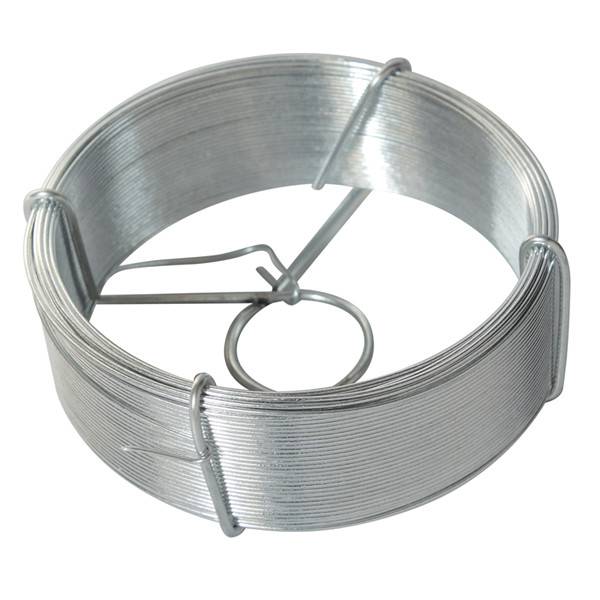
So, what exactly is a galvanized wire fence and why does it matter? At its core, it’s a type of fencing made from steel wire that’s been coated with a layer of zinc through galvanization to prevent rust and corrosion. This makes it a particularly robust option, especially where exposure to the elements is a constant—think farms, industrial yards, or construction sites. Oddly enough, while wire fencing has been around for ages, the galvanized variant really steps it up in terms of lifespan and strength.
From a technical standpoint, the coating often adheres tightly through a hot-dip galvanizing process, which forms a metallurgical bond. That means the fence isn’t just zinc painted on; it actually becomes a layered protection system. For example, a typical galvanized wire fence might feature wire diameters ranging from 1.6 mm to 4 mm with coating thicknesses standardized around 45-85 microns, depending on the grade. Some clients we’ve worked with noticed that this product can withstand up to 25 years in moderate climates, which frankly speaks volumes about its reliability.
| Specification | Details |
|---|---|
| Material | High tensile steel wire |
| Coating | Hot-dip galvanized zinc layer (45-85 microns) |
| Wire diameter | 1.6 mm to 4 mm |
| Standard lengths | 50m rolls (custom lengths available) |
| Typical lifespan | Up to 25 years under average environmental conditions |
Benefits & Use Cases of Galvanized Wire Fence
Businesses across agriculture, manufacturing, and logistics sectors often turn to galvanized wire fencing because it’s a no-nonsense way to secure perimeters without frequent hassle. You see, the zinc galvanization guards it against rust, which is a game changer—especially outdoors. The fencing performs admirably even in moist or salty environments, which is why it’s popular near coastal areas or irrigation systems.
It's not just about durability; lots of engineers mention that these fences can be quickly installed with minimal tools, offering a significant labor saving. For example, farms use galvanized wire fences to enclose livestock economically, while warehouses rely on it for boundary demarcation or to create safety barriers. Compared to traditional wooden fencing, galvanized wire is easier to maintain and won’t splinter or rot. Oddly enough, many facility managers have told me they prefer it because it "just keeps working" over many years with little intervention.
Cost, Maintenance & User Experience
You might wonder about the total cost when choosing galvanized wire over other materials. Well, while the upfront cost can be slightly higher than untreated wire fencing, the total cost of ownership is often lower. Why? Because you’re avoiding frequent repairs, replacements, and downtime. From feedback collected, many users report that installation costs are offset within the first few years by savings on maintenance. Plus, the ROI looks favorable when you factor in the longevity and performance.
Maintenance is minimal – usually just occasional inspection to ensure fittings and posts remain secure. Customers in industrial parks have described their user experience as “worry-free,” since the fencing withstands rough weather and doesn’t attract corrosion-related attention. Keep in mind, opting for galvanized wire also reduces risks of product failure, which can be costly for businesses reliant on security or containment.
Sustainability & Market Trends
Sustainability is a hot topic nowadays, and galvanized wire fence products hold some advantages here. The zinc coating process uses recyclable materials, and since galvanized fencing lasts significantly longer than many alternatives, it reduces waste over time. That's a decent win for industries seeking greener solutions without sacrificing quality or safety.
Market trends also suggest a steady demand growth, partly driven by increasing infrastructure projects and the ongoing need for secure perimeters in expanding industrial zones. Regulations around fencing materials and environmental compliance have leaned positively towards galvanized wire products, given their proven track record. I suppose it’s no surprise that suppliers like HardwareInStore invest heavily in high-standard production to meet these evolving expectations.
| Vendor | Coating Thickness (microns) | Wire Diameter Range (mm) | Lead Time | Customization Options |
|---|---|---|---|---|
| HardwareInStore | 45-85 | 1.6–4 | 2-4 weeks | Custom lengths & gauges |
| Vendor A | 50-70 | 2–3 | 4-6 weeks | Limited customization |
| Vendor B | 40-60 | 1.5–3.5 | 3-5 weeks | Standard products only |
Frequently Asked Questions about Galvanized Wire Fence
- What is Galvanized Wire Fence and how does it work?
- Galvanized wire fence consists of steel wire coated with zinc to protect against rust and corrosion. The zinc layer acts as a sacrificial barrier, protecting the steel underneath and ensuring the fence stays durable even in outdoor conditions.
- What are the main benefits of using Galvanized Wire Fence in industrial applications?
- Key benefits include its durability, resistance to corrosion, cost-effectiveness over time, and ease of installation. It reduces maintenance needs and minimizes downtime in busy industrial environments.
- How does Galvanized Wire Fence compare to traditional alternatives?
- Compared to wood or untreated wire, galvanized wire fence lasts longer, resists weathering better, and requires less upkeep. It also tends to be more flexible and easy to customize to specific project needs.
- What industries can benefit most from Galvanized Wire Fence implementation?
- Agriculture, construction, manufacturing, and logistics sectors frequently utilize galvanized wire fences for secure perimeters, animal containment, and site safety. Many success stories highlight enhanced durability and lower total cost of ownership for these sectors.
Conclusion on Galvanized Wire Fence from china
To wrap it up, galvanized wire fence remains a solid, dependable choice for businesses needing reliable fencing solutions. Its longevity, cost-effective maintenance, and widespread industry adoption make it a top contender in fencing technology. For decision-makers, it makes sense to consider products from specialists like HardwareInStore — their offerings stand up well in both specs and experience.
- Recap the value of Galvanized Wire Fence.
- - Visit our website: https://www.hardwareinstore.com
Thinking practically, galvanized wire fencing simply feels like the "low drama" choice—it’s tough, lasts a good long while, and you rarely have to think about it once installed. That sort of peace of mind? Priceless.
-
The Ultimate Guide to Hardware Cloth 1x1 Versatility and Strength
NewsApr.16,2026
-
Ultimate Guide to hardware cloth 1 4 mesh for Strength and Versatility
NewsApr.09,2026
-
Comprehensive Guide to Hardware Cloth 1/4 Inch Mesh for Versatile Applications
NewsApr.07,2026
-
Comprehensive Guide to Hardware Cloth 1 2 Inch Mesh 36 Applications and Benefits
NewsApr.04,2026
-
Comprehensive Guide to Gi Wire Mesh for Fencing and Its Applications
NewsMar.31,2026
-
Comprehensive Guide to GI Square Mesh Applications and Benefits
NewsMar.28,2026