
Nov . 30, 2025 05:30 Back to list
Comprehensive Guide to Weld Mesh for Concrete: Benefits, Uses & Suppliers
Weld Mesh for Concrete: A Global Foundation for Safer Structures
At first glance, weld mesh for concrete might seem like just another construction material, but its significance stretches across continents and industries. This steel grid, welded firmly to offer structural integrity, serves as the silent backbone beneath countless concrete projects worldwide — from towering urban skyscrapers to post-disaster shelters in remote regions.
Understanding weld mesh not only unlocks better construction outcomes but supports global efforts toward sustainability, safety, and cost-efficiency. In a world where infrastructure needs surge alongside population growth and climate challenges, the role of weld mesh for concrete becomes all the more vital.
The Global Context: Why Weld Mesh Matters Everywhere
Concrete is often dubbed the world's most-used man-made material, with estimates suggesting over 10 billion tons are produced annually (United Nations Environment Programme, 2021). Reinforcing this concrete is where weld mesh comes in. The World Bank reported infrastructure spending topped $3.4 trillion globally in recent years — a figure growing steadily with urbanization and rebuilding needs after natural disasters.
However, unreinforced or poorly reinforced concrete is prone to cracking and failure, especially in seismic zones or harsh climates. Weld mesh combats these vulnerabilities by distributing tension and improving durability, making structures safer and more resilient.
At the same time, the construction industry faces pressures to reduce costs, waste, and carbon footprint. Weld mesh enables quicker builds without compromising quality, aiding efforts to meet environmental and humanitarian goals alike.
What Is Weld Mesh for Concrete? A Practical Definition
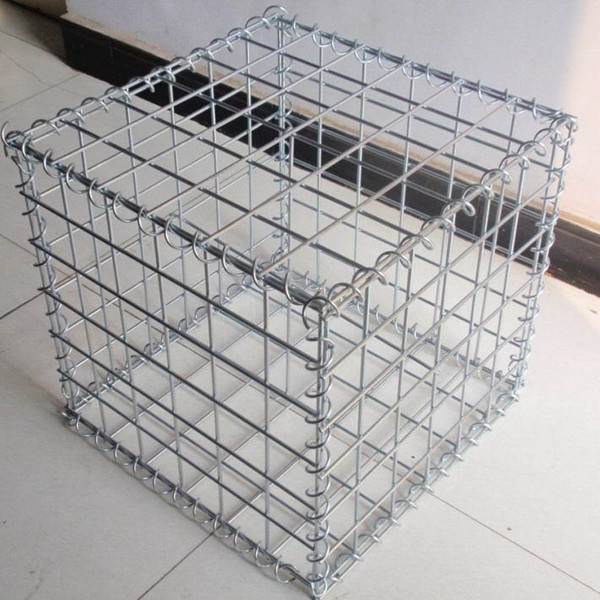
Simply put, weld mesh for concrete is a grid of steel wires or bars welded together at every intersection to form a mesh sheet or roll. This mesh is embedded inside concrete slabs, walls, or foundations to enhance tensile strength, reducing cracking and deformation under loads.
Unlike traditional rebar, which consists of individual rods placed manually, weld mesh offers consistent spacing and uniform support across the entire surface, speeding installation and ensuring predictable performance.
In humanitarian fields, weld mesh is essential in prefabricated concrete panels for fast deployment shelters, emergency flooring, or rebuilding efforts. It balances affordability with long-term safety — a combination often sought but rarely easy to achieve.
Key Attributes of Weld Mesh for Concrete
Durability and Corrosion Resistance
Weld mesh is often galvanized or coated to resist rust and chemical exposure. This is vital since concrete itself is alkaline but can become vulnerable in aggressive environments, like marine structures or industrial zones.
Consistent Quality and Size
Factory-welded meshes have fixed grid sizes — for example, 150mm x 150mm square spacing is common. This uniformity translates to predictable strength and easier structural calculations.
Cost Efficiency
Compared to individually placed rebar, weld mesh reduces labor hours and on-site errors. Bulk production lowers the premium, making it accessible for large-scale projects and rapid builds alike.
Scalability and Customization
Meshes come in various wire diameters and grid sizes tailored to specific load requirements. Manufacturers can even produce custom meshes, accommodating unique engineering challenges.
Sustainability
Steel is 100% recyclable, and using pre-welded mesh reduces on-site waste. Some vendors now offer mesh made from recycled steel, closing the loop further.
Global Applications and Real-World Use Cases
- Infrastructure Projects: Major highway bridges in Europe and Asia often use weld mesh to reinforce deck slabs, optimizing construction speed without sacrificing resilience.
- Post-Disaster Reconstruction: After earthquakes in Nepal or floods in Bangladesh, NGOs deploy concrete panels with embedded weld mesh to quickly rebuild safe homes and community centers.
- Industrial Floors: Warehouses in North America use welded mesh for heavy-duty concrete floors where forklift traffic demands toughness.
- Residential Construction: In parts of Africa, weld mesh is standard in concrete foundations to make homes safer against cracking.
- Remote Zones: Mining camps use prefabricated slabs with weld mesh for both durability and rapid installation.
It’s always impressive how a simple grid of metal wires quietly supports such a variety of needs — from rough terrains to megacities.
What Advantages Does Weld Mesh Bring to the Table?
In terms of pure utility, weld mesh offers:
- Structural reliability. Concrete with welded reinforcement resists tensile stresses better, leading to longer-lasting constructions.
- Cost savings. Less manual labor and fewer materials wastage mean overall project savings.
- Speed and ease of installation. Mesh sheets can be quickly placed and tied down, aiding project timelines.
- Environmental benefits. Leveraging recyclable steel reduces material footprint.
- Social impact. Safer homes and infrastructure foster community resilience and dignity.
Engineers often describe weld mesh as the “invisible safety net” of concrete works. Without it, ideas of trust and care in construction could feel hollow.
Looking Ahead: Innovations and Trends in Weld Mesh for Concrete
One emerging trend is the integration of fiber-reinforced polymer (FRP) mesh, an alternative to steel that’s corrosion-proof and lightweight. Additionally, smart sensor-embedded weld meshes are being tested to monitor structural health in real time, offering proactive maintenance cues.
Green manufacturing is also pushing steel mills to lower emissions and recycle more, resulting in eco-friendlier mesh products. Digital building information modeling (BIM) streamlines mesh sizing and placement planning, reducing errors and overorders.
Automation and robotic mesh laying might soon transform construction sites, especially where labor shortages or remote locations limit human availability. All these shifts hint at an exciting future where weld mesh is even smarter, greener, and more adaptable.
Challenges & Expert Solutions
There are some bumps to smooth out. Weld mesh can be heavy and cumbersome to transport deeply into remote sites. Also, mismatches between mesh specifications and concrete design cause weak spots if not carefully planned.
Experts recommend close collaboration between structural engineers and manufacturers early in the project, custom mesh fabrication when standard sizes don’t fit, and innovations like roll-up welded mesh to ease logistics.
Coating technologies continue evolving to counter corrosion in aggressive environments — stainless steel mesh, though pricier, finds its niche in marine or chemical plants. Pragmatically, balancing cost and performance remains the golden ticket.
Product Specifications At a Glance
| Specification | Details |
|---|---|
| Wire Diameter | 4 mm - 12 mm |
| Grid Size | 100 mm x 100 mm up to 200 mm x 200 mm |
| Sheet Size | 2 m x 6 m standard |
| Material | Carbon steel, galvanized finish, stainless steel (special order) |
| Coating | Galvanized, PVC coated, epoxy coated |
| Weight per Sheet | Approx. 50–70 kg depending on wire thickness |
Vendor Comparison: Finding the Right Supplier
| Vendor | Standard Mesh Range | Customization Options | Average Lead Time | Global Shipping |
|---|---|---|---|---|
| SteelGrid Inc. | 4mm-10mm wire; 100mm-200mm grid | Yes, custom sizes, coatings | 7-10 days | Yes |
| MeshMakers Ltd. | 5mm-12mm wire; 150mm x 150mm grid | Limited | 5-7 days | Regional only |
| Global Reinforce Solutions | 3mm-8mm wire; various grid sizes | Yes, including FRP mesh | 14-21 days | Worldwide |
Frequently Asked Questions About Weld Mesh for Concrete
- What makes weld mesh better than traditional rebar for concrete reinforcement?
- Weld mesh offers uniform, factory-welded spacing that speeds installation and reduces human error. While traditional rebar allows design flexibility, weld mesh gives consistent tensile strength distribution across slabs, ideal for large, flat pour areas.
- How long does weld mesh reinforced concrete typically last under standard conditions?
- With proper coating and maintenance, weld mesh reinforced concrete can last 50 years or more. Corrosion protection plays a big role, so galvanized or epoxy-coated meshes extend service life, especially in harsh environments.
- Is weld mesh suitable for seismic zones?
- Yes. Weld mesh provides important tensile reinforcement, but it’s usually combined with additional reinforcement detailing to meet seismic design codes. Engineers consider mesh as part of a system rather than a standalone solution in earthquake-prone areas.
- Can weld mesh be used for fast deployment housing or emergency shelters?
- Absolutely. Prefabricated concrete panels reinforced with weld mesh are widely used in emergency housing because they offer a blend of speed, durability, and cost-efficiency—essential when every day counts after a disaster.
- How can I ensure the weld mesh meets my project’s quality standards?
- Look for vendors compliant with international standards like ISO 17660 or ASTM A497. Request test certificates, and if possible, inspect coating quality and weld uniformity before purchase.
Final Thoughts: Building the Future with Weld Mesh
In sum, weld mesh for concrete is a foundational material quietly empowering some of today’s most ambitious infrastructure and humanitarian projects. It embodies an elegant solution to age-old problems of strength, safety, and sustainability. Whether you’re constructing a skyscraper or a school in a flood zone, weld mesh offers reliability and peace of mind.
For builders, engineers, and planners looking to enhance their projects, understanding weld mesh's potential is a meaningful step forward. Curious to explore product options or supplier details? Visit our website: https://www.hardwareinstore.com and see how weld mesh can reinforce your next project.
- United Nations Environment Programme (2021). “Global Resource Outlook.”
- World Bank (2022). “Infrastructure Spending Report.”
- ISO 17660 — Steel for the reinforcement of concrete — Welded fabric.
-
The Ultimate Guide to Hardware Cloth 1x1 Versatility and Strength
NewsApr.16,2026
-
Ultimate Guide to hardware cloth 1 4 mesh for Strength and Versatility
NewsApr.09,2026
-
Comprehensive Guide to Hardware Cloth 1/4 Inch Mesh for Versatile Applications
NewsApr.07,2026
-
Comprehensive Guide to Hardware Cloth 1 2 Inch Mesh 36 Applications and Benefits
NewsApr.04,2026
-
Comprehensive Guide to Gi Wire Mesh for Fencing and Its Applications
NewsMar.31,2026
-
Comprehensive Guide to GI Square Mesh Applications and Benefits
NewsMar.28,2026