
Dec . 03, 2025 15:22 Back to list
Comprehensive Guide to Gauge Welded Wire: Uses and Benefits Worldwide
Understanding Gauge Welded Wire: What Makes It So Essential Worldwide?
If you’ve ever handled fencing, reinforced concrete, or some modular construction component, chances are you’ve come across gauge welded wire. It’s not just some industrial afterthought — it plays a crucial role globally in construction, agriculture, and even humanitarian relief. Oddly enough, this robust mesh is often overlooked despite being foundational in building safe, sustainable structures and improving lives.
Simply put, gauge welded wire is a grid-like metal sheet made by electrically welding wires intersecting at right angles. Its relevance spans continents and industries because it balances strength, flexibility, and cost-effectiveness. For policymakers, engineers, and those involved in disaster response, understanding this material unlocks opportunities to build smarter, faster, and with more durable outcomes.
Global Context: Why Gauge Welded Wire Matters on an International Scale
The global steel production reached about 1.9 billion metric tons in 2022 (World Steel Association, 2023), much of which supports welded wire manufacturing. This product’s versatility means it’s embedded in agriculture fencing from farms in Sub-Saharan Africa, to concrete reinforcing in Southeast Asian construction, to use in large-scale humanitarian shelters deployed by NGOs in crisis zones.
Yet, there’s a challenge: many regions face inconsistent supply and quality issues, resulting in fragile infrastructure or delayed project timelines. Gauge welded wire, when chosen correctly for thickness (gauge), weld strength, and wire spacing, helps overcome these issues by providing a reliable, scalable construction element that meets various environmental and load demands.
What Is Gauge Welded Wire? Definition and Core Meaning
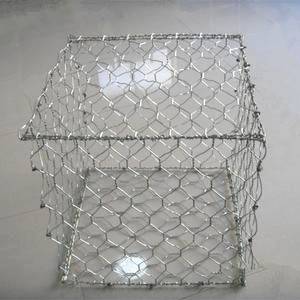
In plain language, gauge welded wire is a metal mesh, made by spot or electrical resistance welding wires together in perpendicular rows and columns. Wire “gauge” refers to the thickness or diameter of the wires — think of it as the “girth” of each strand, typically measured in American Wire Gauge (AWG) or millimeters. The smaller the gauge number, the thicker the wire.
This mesh pattern creates strong yet flexible sheets or rolls, making them ideal for reinforcing materials like concrete, or creating secure enclosures and partitions. Modern industry movement towards more efficient, eco-friendly building methodologies still leans heavily on these meshes because they’re recyclable and adaptable.
Key Components of Gauge Welded Wire
1. Durability
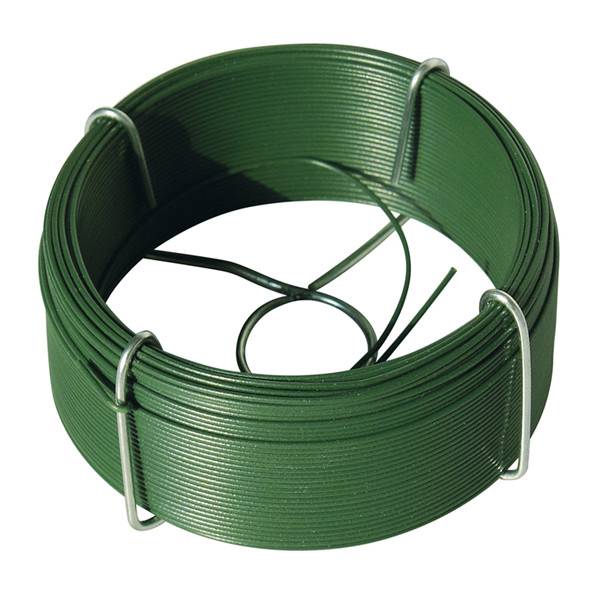
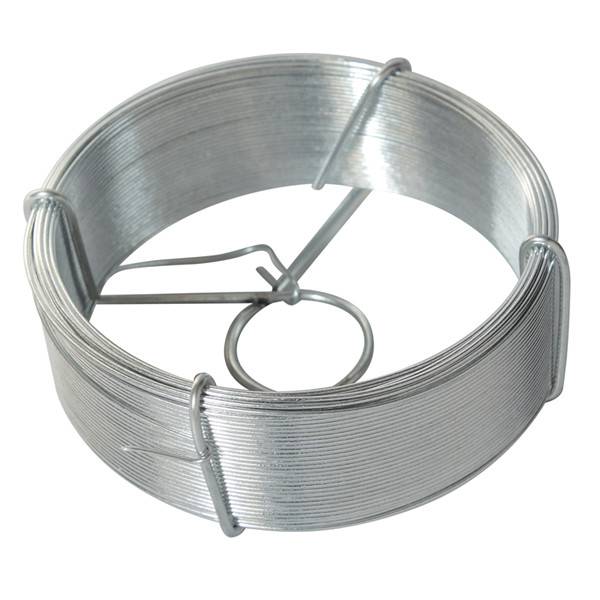
Thanks to galvanization or PVC coatings, these wires resist rust, corrosion, and even mechanical strain. This makes them incredibly useful outdoors or in humid industrial settings where lesser materials would fail fast.
2. Scalability & Customization
Wired welded mesh can be tailored by varying wire gauge, mesh size (spacing between wires), and sheet dimensions — vital when adapting to different construction or fencing needs.
3. Cost Efficiency
Compared to welded rebar or traditional fencing solutions, gauge welded wire offers a budget-friendly alternative without compromising strength or lifespan.
4. Ease of Installation
Because the sheets are factory-made and consistent, installation is faster and requires less manual labor or specialized skill sets, a clear win for projects under tight timelines.
5. Versatility
From civil engineering to agriculture to even animal husbandry, its applications are impressive and varied.
| Specification | Range / Value | Comments |
|---|---|---|
| Wire Gauge | 8 - 16 AWG (approx. 4.2mm to 1.3mm) | Thicker wire for heavy-duty support, thinner for lighter uses |
| Mesh Size | 0.5” - 4” (13mm - 102mm) | Center-to-center wire spacing, affects flexibility & strength |
| Coatings | Galvanized / PVC / Stainless Steel | Protects against corrosion; choice depends on environment |
| Sheet Dimensions | 3’ x 50’ typical roll size | Can be cut or fabricated for custom needs |
Global Applications & Use Cases for Gauge Welded Wire
- Agriculture: Used as fencing and animal enclosures, protecting crops and livestock while allowing airflow.
- Concrete Reinforcement: In modern construction, welded wire mesh distributes loads evenly, boosting durability of floors, walls, and bridges.
- Disaster Relief: NGOs use durable welded wire fencing for fast-deploy camps, aid storage, and temporary confinement areas.
- Industrial Zones: Facilities rely on welded wire for machinery guards, partitions, and inventory organization.
Notably, African and Asian infrastructure projects often lean on local gauge welded wire manufacturing to cut costs and boost supply-chain resilience.
Advantages & Long-Term Value
Besides the obvious cost savings and physical strength, this wire mesh offers emotional reassurance—workers feel safer; communities appreciate durability in fences and shelters; engineers trust predictable material performance. Sustainability-wise, welded wire is recyclable steel, contributing positively to circular economy goals.
What’s fascinating is how these meshes tie into social innovation: safe, lasting fences prevent human-animal conflicts, or stabilize refugee camps, indirectly improving lives. So, it’s not just metal but a bridge to social dignity and trust.
Future Trends & Innovations in Gauge Welded Wire
The push toward greener manufacturing has fostered low-carbon steel production techniques, resulting in welded wire that has a smaller environmental footprint. There’s also growing interest in blending galvanized coatings with biopolymers for enhanced rust-resistance without toxic chemicals.
Automation in welding technology means more consistent product quality and the ability to produce complex mesh patterns quickly, which helps meet niche industrial demands. Digital tracking of wire mesh batches is also emerging, ensuring provenance and compliance for safety standards.
Challenges & Solutions
Of course, no material is perfect. Inconsistent welding quality can cause mesh weakness. Supply chain disruptions might delay production, especially in remote regions. Some coatings, while protective, add cost and complicate recycling.
Experts recommend adopting ISO standards for welded wire production to ensure uniformity and working with trusted suppliers who offer transparent testing reports. Innovations in on-site fabrication tools reduce waste and improve fitment accuracy. Collaborations between manufacturers and NGOs can also stabilize supply chains in vulnerable areas.
FAQ: Frequently Asked Questions About Gauge Welded Wire
Q1: What wire gauge should I choose for fencing livestock?
A1: For standard livestock fencing, 12 to 14 AWG gauge is common, balancing strength and flexibility. Make sure the mesh size suits the animal size to prevent escapes or injuries.
Q2: How long does galvanized welded wire last outdoors?
A2: Typically, galvanized welded wire lasts 15-20 years depending on climate and exposure. PVC-coated options extend longevity further in harsh environments.
Q3: Can welded wire mesh be customized for concrete reinforcement?
A3: Absolutely. Manufacturers can adjust wire gauge, spacing, and mesh size to meet specific load and structural requirements per engineering specifications.
Q4: Are there eco-friendlier alternatives to zinc galvanization?
A4: Yes. Some producers now use advanced polymer coatings or stainless steel wire options to reduce environmental impact while maintaining corrosion resistance.
Q5: How can NGOs ensure steady supply when working in remote regions?
A5: Partnering with regional suppliers, planning logistics in advance, and utilizing standardized, modular wire products help mitigate delays and maintain quality.
Vendor Comparison: Popular Gauge Welded Wire Suppliers
| Vendor | Product Range | Coating Options | Lead Time | Price Level |
|---|---|---|---|---|
| SteelMesh Co. | 8 - 16 AWG; 0.5” to 3” mesh | Galvanized, PVC | 2-3 weeks | Mid-range |
| EcoWire Solutions | 10 - 14 AWG; > 1” mesh | Polymer-coated, stainless steel | 4-5 weeks | Premium |
| GlobalFence Inc. | 8 - 20 AWG; 0.5” - 4” mesh | Galvanized only | 1-2 weeks | Budget |
Conclusion: The Long-Term Promise of Gauge Welded Wire
Frankly, gauge welded wire meshes are the unsung heroes of multiple industries—from agriculture to disaster relief to heavy construction. Their combination of affordability, durability, and adaptability means they’ll remain at the forefront of infrastructure and humanitarian efforts worldwide. Whether you’re building new infrastructure or reinforcing existing structures, understanding the nuances of gauge, coating, and mesh size can save you time and money—and sometimes, protect lives.
Interested in finding the right gauge welded wire for your projects? Visit our website at hardwareinstore.com for expert advice, product varieties, and competitive pricing.
It’s strange how something as simple as metal wire, arranged and welded correctly, can have such a profound impact. But that’s the beauty of practical engineering mixed with real-world needs.
References:
1. World Steel Association, "World Steel in Figures," 2023.
2. ISO 14343: Steel wire and welded wire mesh standards.
3. UN Habitat, "Sustainable Construction Materials," 2022.
4. Welded Wire Fabric - Wikipedia
-
The Ultimate Guide to Hardware Cloth 1x1 Versatility and Strength
NewsApr.16,2026
-
Ultimate Guide to hardware cloth 1 4 mesh for Strength and Versatility
NewsApr.09,2026
-
Comprehensive Guide to Hardware Cloth 1/4 Inch Mesh for Versatile Applications
NewsApr.07,2026
-
Comprehensive Guide to Hardware Cloth 1 2 Inch Mesh 36 Applications and Benefits
NewsApr.04,2026
-
Comprehensive Guide to Gi Wire Mesh for Fencing and Its Applications
NewsMar.31,2026
-
Comprehensive Guide to GI Square Mesh Applications and Benefits
NewsMar.28,2026