
Mar . 21, 2026 02:25 Back to list
Comprehensive Guide to Galvanized Wire Net for International Trade and Applications
Galvanized Wire Net: A Comprehensive Guide for Cross-Border Trade
Galvanized wire net is a versatile and essential material used in a wide range of applications, from agricultural fencing to industrial screening. Its durability and resistance to corrosion make it a popular choice for both domestic and international markets. This article provides a detailed overview of galvanized wire net, covering its types, applications, manufacturing process, and key considerations for cross-border trade. We'll explore the benefits of choosing high-quality galvanized wire net and how to navigate the complexities of importing and exporting this valuable commodity.
Understanding the Types of Galvanized Wire Net
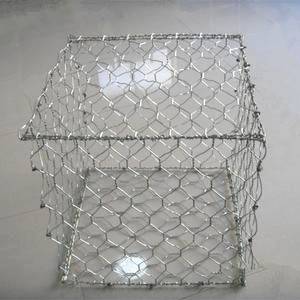
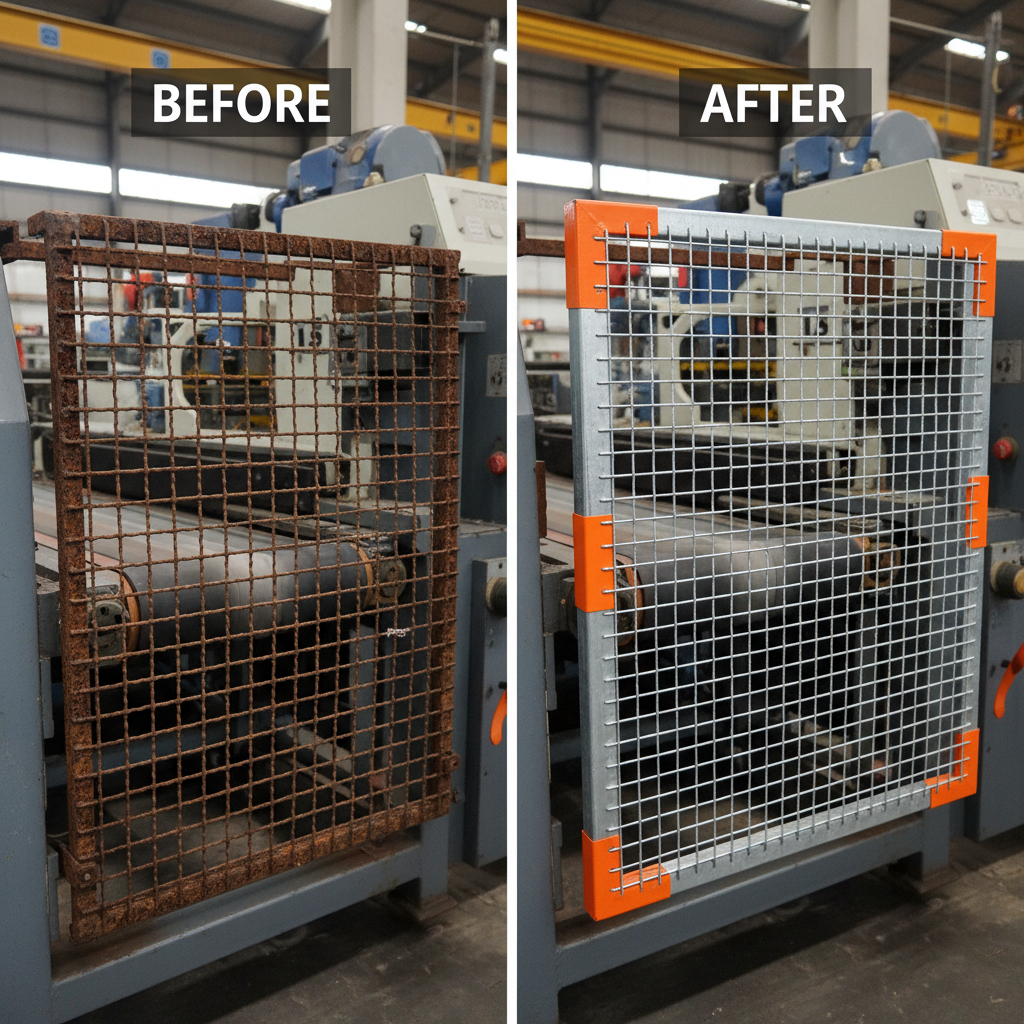
Galvanized wire net comes in several different weaves and configurations, each suited for specific applications. Common types include hexagonal wire netting (chicken wire), square mesh netting, and crimped wire netting. The wire gauge (thickness) and aperture size (mesh opening) also vary depending on the intended use. Understanding these variations is crucial when sourcing the right product for your needs. For example, heavier gauge wire and smaller apertures are ideal for security fencing, while lighter gauge wire and larger apertures are sufficient for agricultural purposes.
Applications of Galvanized Wire Net Across Industries
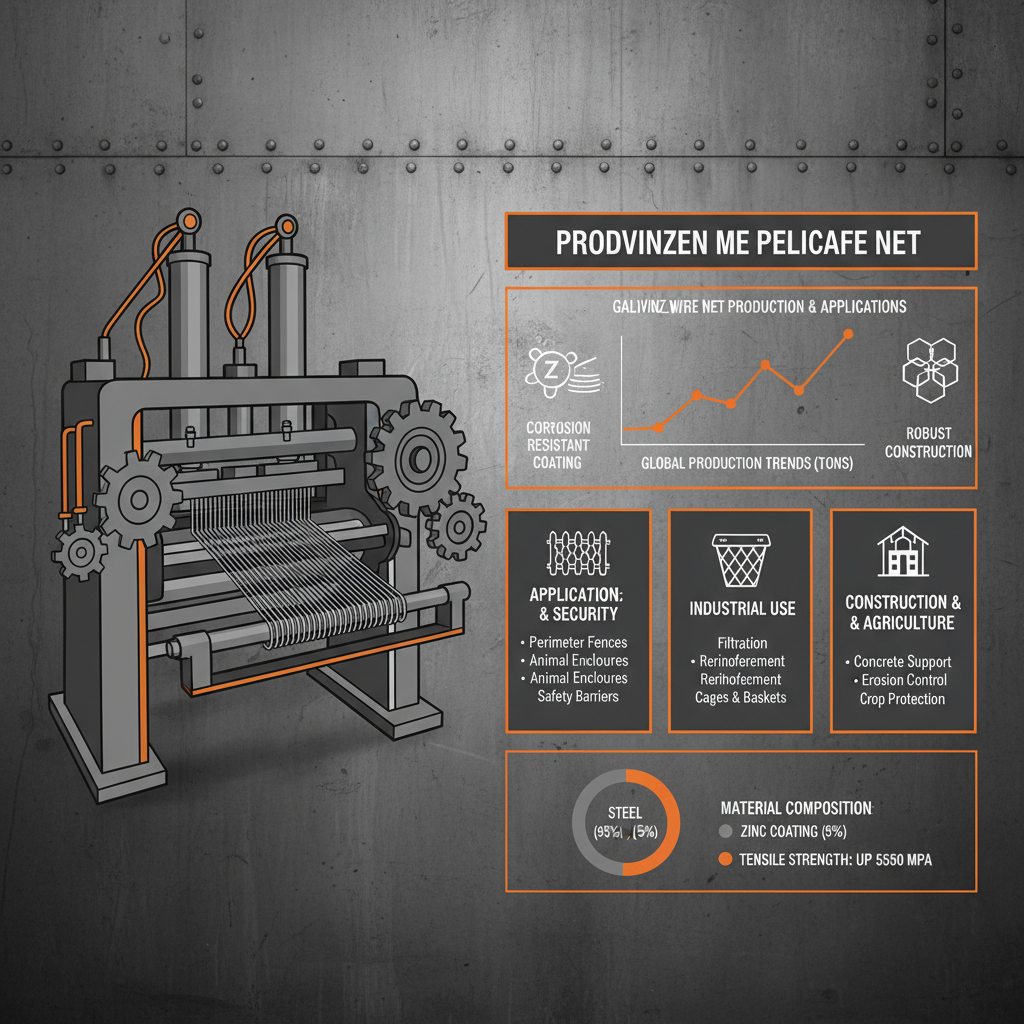
The versatility of galvanized wire net leads to its widespread use in numerous industries. In agriculture, it's used for fencing livestock, creating poultry runs, and protecting crops from pests. Construction utilizes it for scaffolding, reinforcement, and protective barriers. Industrial applications include screening, filtering, and safety guarding. Other uses include creating decorative elements, crafting, and even reinforcing concrete structures. Its resistance to rust and weathering makes it ideal for both indoor and outdoor environments.
Key Applications: Fencing (agricultural, residential, security), Poultry enclosures, Crop protection, Construction reinforcement, Industrial screening, Safety barriers.
The Galvanization Process: Ensuring Durability
The galvanization process is key to the longevity of wire net. It involves coating the steel wire with a protective layer of zinc. This zinc coating acts as a barrier against corrosion, even if the steel is scratched or damaged. There are two primary galvanization methods: hot-dip galvanizing and electro-galvanizing. Hot-dip galvanizing provides a thicker, more durable coating, making it ideal for harsh environments. Electro-galvanizing offers a smoother, more uniform coating, often used for applications where appearance is important. The thickness of the zinc coating is measured in grams per square meter (gsm) and directly impacts the level of corrosion resistance.
Galvanization Benefits:
• Prevents rust and corrosion
• Extends the lifespan of the wire net
• Reduces maintenance costs
• Provides a cost-effective solution for long-term use
Galvanized Wire Net: Specifications & Comparison
Choosing the right galvanized wire net requires careful consideration of its specifications. Here’s a comparison of common types and their typical features. Understanding these differences helps ensure you select a product that meets your specific application requirements and quality standards.
Navigating Cross-Border Trade of Galvanized Wire Net
Importing and exporting galvanized wire net requires attention to several key considerations. These include tariffs, import/export regulations, shipping costs, and quality control. Thorough research of the importing country's regulations is crucial to avoid delays and penalties. Working with a reputable freight forwarder can simplify the logistics process. Ensuring the product meets relevant international standards (e.g., ISO certifications) is vital for smooth customs clearance.
Conclusion: Choosing Quality and Reliability
Selecting high-quality galvanized wire net is essential for ensuring durability, safety, and cost-effectiveness. By understanding the different types, applications, and manufacturing processes, you can make informed decisions for your specific needs. When engaging in cross-border trade, careful attention to regulations, logistics, and quality control is paramount.
Frequently Asked Questions (FAQs)
What is the typical lifespan of galvanized wire net?
The lifespan of galvanized wire net depends on several factors, including the thickness of the zinc coating, the environmental conditions it’s exposed to (e.g., salt air, humidity), and the frequency of maintenance. Generally, properly galvanized wire net can last anywhere from 10 to 30 years, but in harsh environments, this may be reduced. Regular inspection for rust or damage is crucial, and applying a protective coating periodically can extend its lifespan. The grade of steel also influences longevity.
What are the common shipping considerations for galvanized wire net?
Galvanized wire net can be bulky and heavy, requiring careful consideration of shipping logistics. It's often shipped in rolls or bundles and needs to be securely packaged to prevent damage during transit. Freight costs are typically based on weight and volume. Sea freight is often the most cost-effective option for large shipments, while air freight is faster but more expensive. Proper documentation, including a commercial invoice and packing list, is essential for customs clearance.
How can I ensure the quality of galvanized wire net I’m importing?
To ensure quality, it's crucial to work with a reputable supplier. Requesting samples for testing is highly recommended. Check for proper galvanization coverage (ensure the zinc coating is uniform and meets industry standards). Verify the wire gauge and aperture size match your specifications. Look for ISO 9001 certification from the supplier, indicating a commitment to quality management. Consider engaging a third-party inspection service to verify the quality before shipment.
What are the typical tariffs for importing galvanized wire net?
Tariff rates for galvanized wire net vary depending on the importing country and the specific HS code assigned to the product. It's essential to consult the tariff schedule of the importing country to determine the applicable duty rate. Free trade agreements may offer reduced or eliminated tariffs for certain countries. You can use online tariff databases or consult with a customs broker to determine the exact tariff costs. Remember to factor in any additional import taxes or fees.
-
The Ultimate Guide to Hardware Cloth 1x1 Versatility and Strength
NewsApr.16,2026
-
Ultimate Guide to hardware cloth 1 4 mesh for Strength and Versatility
NewsApr.09,2026
-
Comprehensive Guide to Hardware Cloth 1/4 Inch Mesh for Versatile Applications
NewsApr.07,2026
-
Comprehensive Guide to Hardware Cloth 1 2 Inch Mesh 36 Applications and Benefits
NewsApr.04,2026
-
Comprehensive Guide to Gi Wire Mesh for Fencing and Its Applications
NewsMar.31,2026
-
Comprehensive Guide to GI Square Mesh Applications and Benefits
NewsMar.28,2026