
Mar . 19, 2026 02:25 Back to list
Comprehensive Guide to Durable Galvanized Wire Mesh Screen Applications and Benefits
Galvanized Wire Mesh Screen: A Comprehensive Guide
Galvanized wire mesh screen is a versatile material used in a multitude of applications, from insect control to industrial filtration. Its durability and resistance to corrosion make it a popular choice for both residential and commercial projects. This article will delve into the properties, types, applications, and benefits of galvanized wire mesh screen, providing a comprehensive understanding for professionals and DIY enthusiasts alike. Understanding its strengths can significantly improve project longevity and cost-effectiveness.
What is Galvanized Wire Mesh Screen?
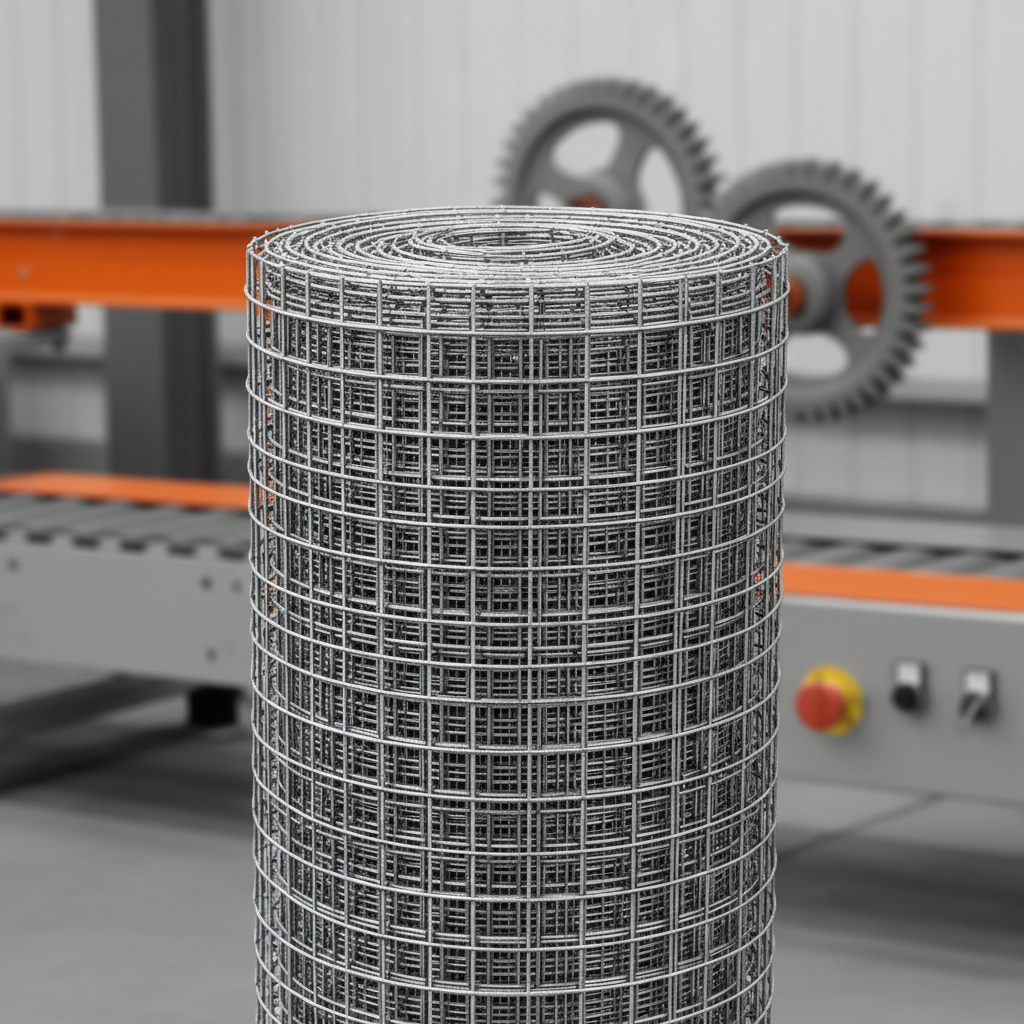
Galvanized wire mesh screen is constructed from steel wire that has been coated with a layer of zinc through a process called galvanization. This zinc coating provides exceptional corrosion resistance, making the mesh suitable for outdoor use and harsh environments. The mesh is created by weaving or welding the wires together, forming a grid-like structure. The size of the openings (mesh count) and the wire gauge (thickness) can vary greatly, depending on the intended application. Hardwareinstore.com offers a wide range of options to meet diverse needs.
Key Benefit: The galvanization process dramatically increases the lifespan of the wire mesh, saving costs on frequent replacements.
Types of Galvanized Wire Mesh Screen
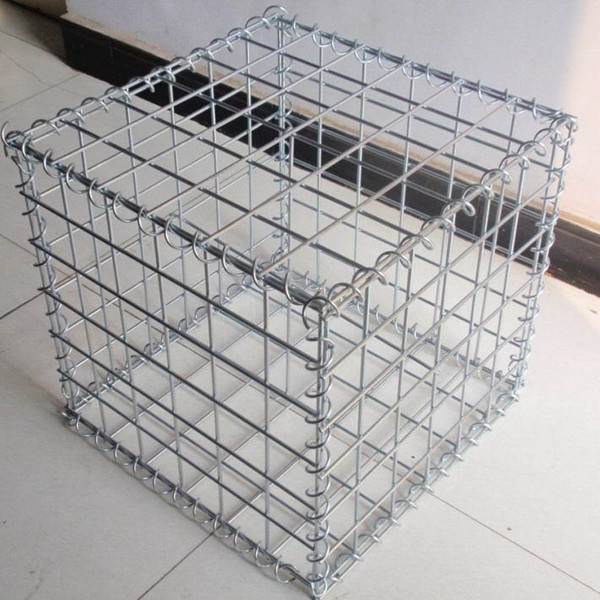
Several types of galvanized wire mesh screen are available, each with unique characteristics. Common types include: woven wire mesh, welded wire mesh, and crimped wire mesh. Woven mesh is created by interlacing wires, resulting in a flexible and durable screen. Welded mesh utilizes a welding process to join the wires, offering greater strength and rigidity. Crimped mesh features wires that are pre-crimped, providing additional stability and preventing distortion. The choice of type depends on the specific application and required properties.
Galvanized Wire Mesh Screen Types:
• Woven Wire Mesh: Flexible, durable, and versatile.
• Welded Wire Mesh: Strong, rigid, and ideal for structural applications.
• Crimped Wire Mesh: Stable, distortion-resistant, and suitable for screening and filtration.
Applications of Galvanized Wire Mesh Screen
The applications for galvanized wire mesh screen are vast. In residential settings, it's commonly used for window screens, door screens, and pet enclosures. Industrially, it finds use in filtration systems, animal cages, reinforcement materials, and protective guarding. Agricultural applications include poultry netting, fencing, and crop protection. The material's ability to withstand outdoor conditions and resist corrosion makes it a long-lasting solution for various projects. Hardwareinstore.com provides solutions for each use case.
Benefits of Using Galvanized Wire Mesh Screen
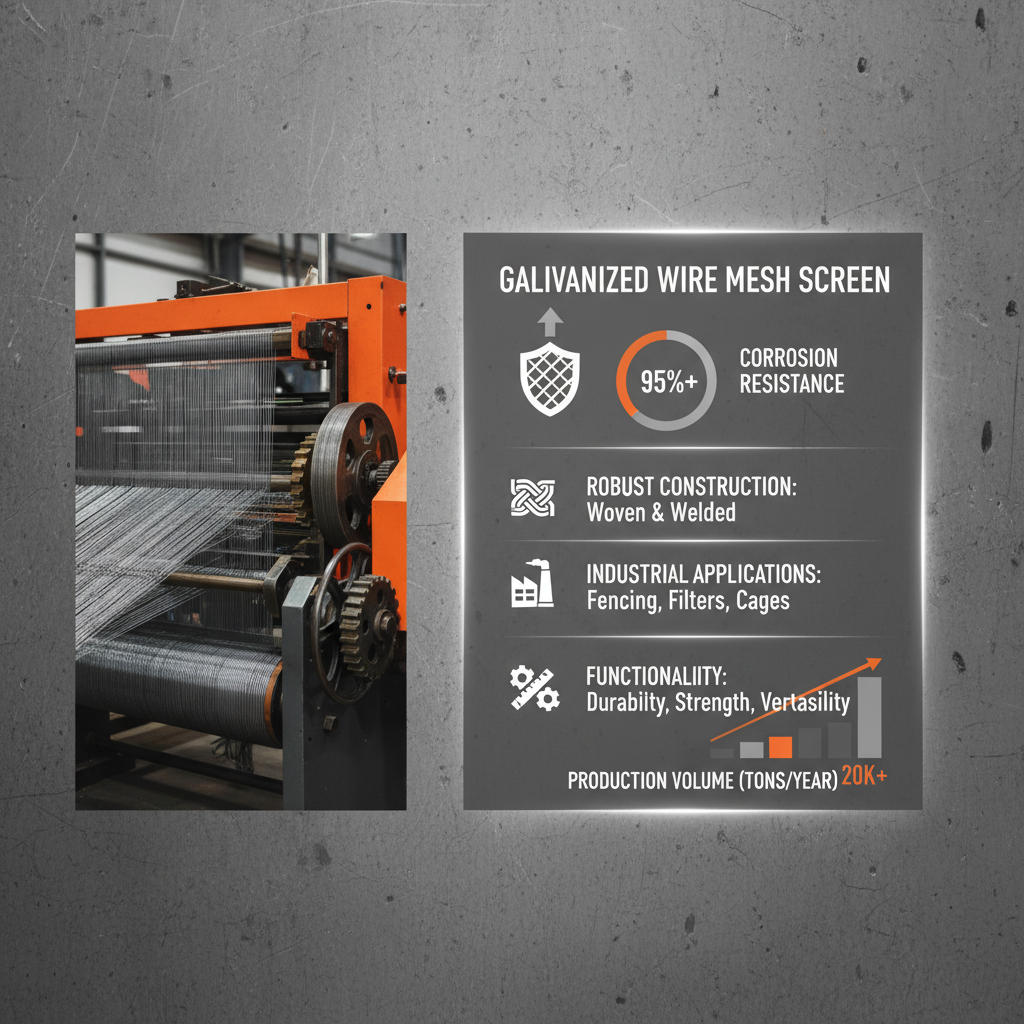
The benefits of choosing galvanized wire mesh screen are numerous. Its corrosion resistance ensures a long service life, reducing replacement costs. It's strong and durable, capable of withstanding various environmental factors. The versatility of the material allows it to be used in a wide range of applications. Moreover, it’s relatively inexpensive compared to other materials offering similar durability. Selecting the right mesh is crucial for optimal performance. Browse our selection for the ideal solution.
Selecting the Right Galvanized Wire Mesh Screen
Choosing the correct galvanized wire mesh screen involves considering several factors. Mesh size is crucial, depending on what you need to filter or contain. Wire gauge determines the strength and durability. The type of weave (woven, welded, or crimped) should align with the application's requirements. Finally, consider the zinc coating thickness – a heavier coating provides greater corrosion resistance. Consulting with a knowledgeable supplier like Hardwareinstore.com can help ensure you select the most appropriate product.
Conclusion: A Versatile and Durable Solution
Galvanized wire mesh screen remains a cost-effective and reliable solution for a wide array of applications. Its strength, durability, and corrosion resistance make it a preferred choice for professionals and homeowners alike. By understanding the different types and considerations outlined in this guide, you can confidently select the right mesh for your next project. Explore our comprehensive range of galvanized wire mesh screen and find the perfect fit for your needs.
Frequently Asked Questions (FAQs)
What is the typical lifespan of galvanized wire mesh screen?
The lifespan of galvanized wire mesh screen varies depending on the environment and the thickness of the zinc coating. Generally, a well-maintained mesh can last for 10-20 years or more. However, exposure to harsh chemicals, saltwater, or acidic environments can accelerate corrosion and shorten its lifespan. Regularly inspecting the mesh for signs of rust or damage is recommended. Choosing a heavier zinc coating will provide enhanced protection and a longer service life.
How do I cut galvanized wire mesh screen?
Cutting galvanized wire mesh screen can be challenging due to its hardness. Using a pair of heavy-duty wire cutters or tin snips is generally the most effective method. Wear safety glasses to protect your eyes from flying wire fragments. For larger projects, a metal cutting blade on a circular saw or angle grinder can be used, but exercise extreme caution and use appropriate safety gear. Smoothing the cut edges with a file can prevent unraveling and injury.
Can galvanized wire mesh screen be painted?
Yes, galvanized wire mesh screen can be painted, but proper preparation is crucial. First, thoroughly clean the mesh with a degreasing agent to remove any oil or residue. Then, apply a zinc-rich primer specifically designed for galvanized metal to promote adhesion. Finally, apply a topcoat of high-quality exterior paint. Avoid using oil-based paints, as they may not adhere well. Consult with a paint specialist for recommendations on the best products for your specific application.
What is the difference between galvanized and stainless steel wire mesh?
While both galvanized and stainless steel wire mesh offer corrosion resistance, they differ in their composition and performance. Galvanized steel is coated with zinc, providing good protection at a lower cost. Stainless steel, however, contains chromium, which forms a passive layer that prevents rust and corrosion. Stainless steel is more resistant to harsh chemicals and extreme environments, making it ideal for marine or medical applications. However, it is significantly more expensive than galvanized steel.
-
The Ultimate Guide to Hardware Cloth 1x1 Versatility and Strength
NewsApr.16,2026
-
Ultimate Guide to hardware cloth 1 4 mesh for Strength and Versatility
NewsApr.09,2026
-
Comprehensive Guide to Hardware Cloth 1/4 Inch Mesh for Versatile Applications
NewsApr.07,2026
-
Comprehensive Guide to Hardware Cloth 1 2 Inch Mesh 36 Applications and Benefits
NewsApr.04,2026
-
Comprehensive Guide to Gi Wire Mesh for Fencing and Its Applications
NewsMar.31,2026
-
Comprehensive Guide to GI Square Mesh Applications and Benefits
NewsMar.28,2026