
Mar . 14, 2026 02:25 Back to list
Comprehensive Guide to Choosing Galvanized Wire Mesh Bird Screen Solutions
Choosing the Right Galvanized Wire Mesh Bird Screen for Your Needs
Protecting your property from unwanted birds can be a challenge. Galvanized wire mesh bird screen offers a durable and effective solution. This article provides a comprehensive guide to understanding, selecting, and installing galvanized wire mesh bird screen, helping you safeguard your buildings, gardens, and agricultural areas. We'll cover the benefits of galvanized steel, different mesh sizes, and practical installation tips to ensure a long-lasting solution. Choosing the correct screen is vital for effective bird control and protecting your investments.
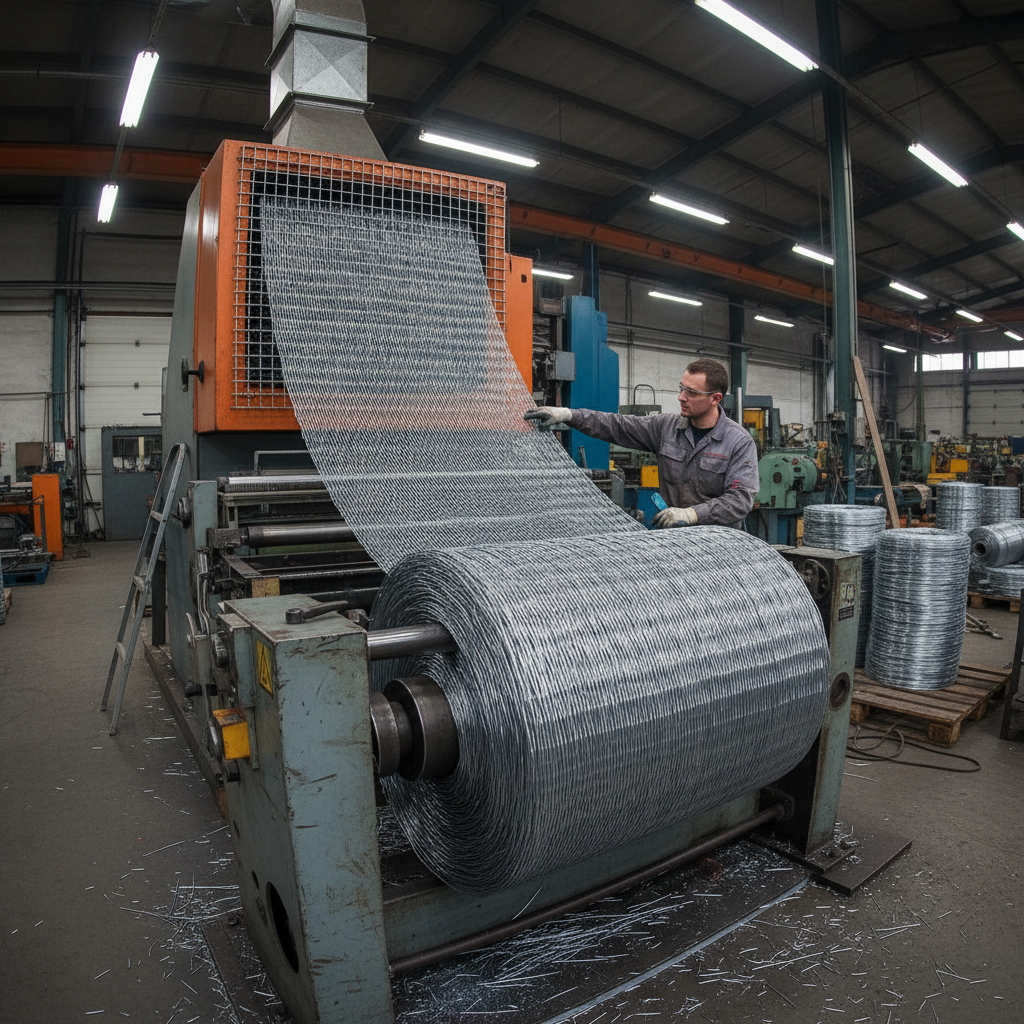
Understanding Galvanized Wire Mesh
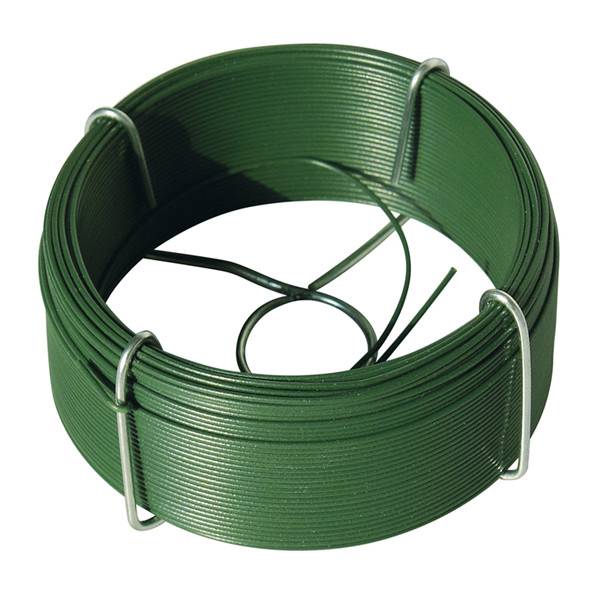
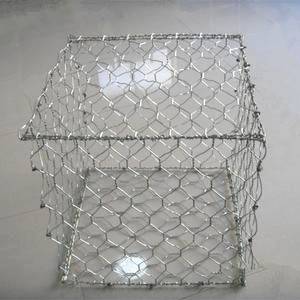
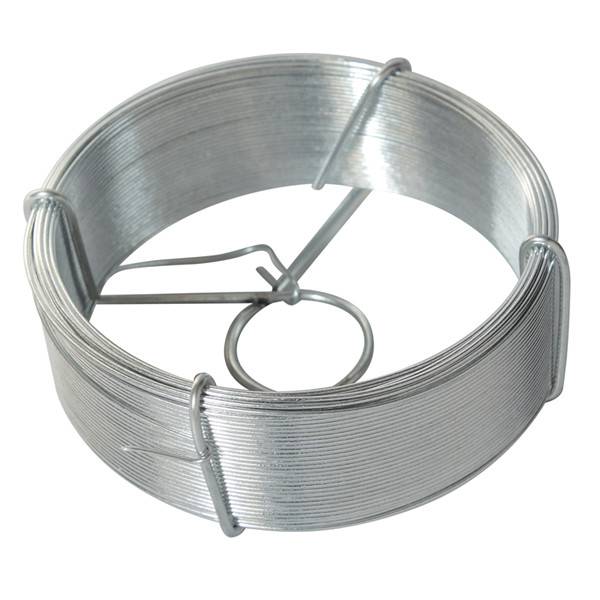
Galvanized wire mesh is made from steel wire that has been coated with a layer of zinc. This zinc coating provides excellent corrosion resistance, making it ideal for outdoor use. The galvanization process protects the steel from rust and weathering, ensuring a long lifespan. This is particularly important in environments exposed to moisture, salt air, or harsh chemicals. Compared to other materials like plastic, galvanized steel offers superior strength and durability, providing a more robust barrier against birds. Choosing a properly galvanized mesh is a key factor in long-term effectiveness.
Key Benefits: Excellent corrosion resistance, long lifespan, superior strength and durability, cost-effective solution for bird control.
Choosing the Right Mesh Size for Bird Control
The mesh size of your bird screen is crucial for determining which birds it can effectively exclude. Smaller mesh sizes are needed to prevent smaller birds, while larger mesh sizes may be sufficient for larger species. Common mesh sizes range from 1/4 inch to 1 inch. The specific bird species you're trying to deter will dictate the optimal mesh size. Consider the size of the birds commonly found in your area and select a mesh that prevents them from entering. Remember that smaller mesh sizes offer greater protection but can also be more expensive.
Mesh Size Guide:
• 1/4 inch: Ideal for preventing small birds, insects, and rodents.
• 1/2 inch: Effective against most common bird species.
• 1 inch: Suitable for larger birds, while still offering some protection against smaller ones.
Galvanized Wire Mesh Bird Screen vs. Other Materials
While various materials can be used for bird screens, galvanized wire mesh offers distinct advantages. Plastic netting is cheaper but less durable and prone to UV degradation. Stainless steel mesh is incredibly strong and corrosion-resistant but significantly more expensive. Aluminum mesh is lightweight but lacks the strength of galvanized steel. Here's a comparison:
Installation Tips for Galvanized Wire Mesh Bird Screen
Proper installation is essential for ensuring the effectiveness of your bird screen. Start by carefully measuring the area you need to cover. Cut the mesh to size, leaving a few extra inches for overlapping and securing it. Use staples, screws, or wire ties to attach the mesh securely to the frame or surface. Ensure the mesh is taut to prevent birds from getting behind it. For larger areas, consider using multiple sections of mesh and overlapping them slightly. Always wear gloves and eye protection when handling wire mesh.
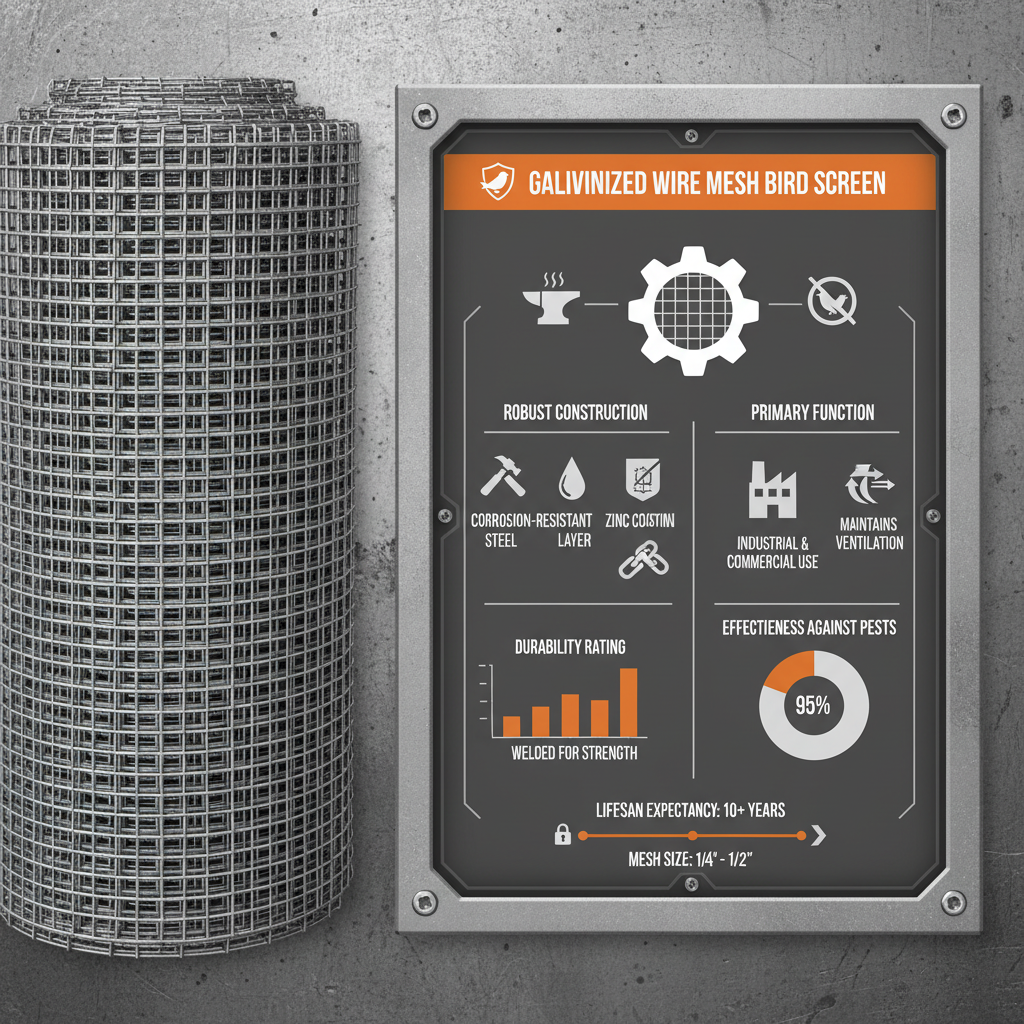
Product Specifications and Where to Purchase
At Hardware In Store, we offer a range of galvanized wire mesh bird screen in various mesh sizes and widths. Our products are made from high-quality materials and are designed for long-lasting performance. Below are some common specifications:
Conclusion: Protect Your Property with Quality Bird Screen
Investing in galvanized wire mesh bird screen is a cost-effective way to protect your property from bird damage. With its durability, corrosion resistance, and versatility, it's a smart choice for homeowners, farmers, and businesses alike. Browse our selection at Hardware In Store and find the perfect solution for your needs!
Frequently Asked Questions (FAQs)
How long will galvanized wire mesh last?
The lifespan of galvanized wire mesh depends on the environment and the quality of the galvanization. In typical outdoor conditions, it can last for 10-20 years or even longer. However, in harsh environments with high salt exposure or acidic conditions, the lifespan may be shorter. Regular inspection for rust and damage can help extend its longevity. Consider a heavier gauge wire and thicker zinc coating for increased durability in challenging environments. Selecting a product from Hardware In Store ensures you receive high-quality, durable materials.
Can I cut galvanized wire mesh myself?
Yes, you can cut galvanized wire mesh, but it requires appropriate tools and safety precautions. Use wire cutters or metal shears designed for cutting wire mesh. Wear gloves and eye protection to prevent injuries from sharp edges. Be aware that cutting the mesh can leave sharp edges, so consider folding them over or covering them with edge trim for safety. If you're unsure, it's best to have it cut to size by a professional.
Is galvanized wire mesh safe for use around edible plants?
Generally, galvanized wire mesh is considered safe for use around edible plants, as the zinc coating is not readily absorbed by plants. However, it's important to ensure the mesh is properly galvanized and free from any visible damage or corrosion. Avoid using mesh with lead-based coatings. If you're concerned, you can line the mesh with a barrier material, such as landscape fabric, to prevent direct contact with the soil and plants. Products from Hardware In Store meet stringent quality standards ensuring safety for various applications.
What is the best way to secure galvanized wire mesh?
The best way to secure galvanized wire mesh depends on the surface you're attaching it to. Staples, screws with washers, and wire ties are common methods. For wood frames, staples or screws work well. For metal frames, screws or wire ties are more secure. Ensure the fasteners are compatible with galvanized steel to prevent corrosion. For a neat and professional finish, consider using edge trim to cover the cut edges of the mesh and secure it in place.
-
The Ultimate Guide to Hardware Cloth 1x1 Versatility and Strength
NewsApr.16,2026
-
Ultimate Guide to hardware cloth 1 4 mesh for Strength and Versatility
NewsApr.09,2026
-
Comprehensive Guide to Hardware Cloth 1/4 Inch Mesh for Versatile Applications
NewsApr.07,2026
-
Comprehensive Guide to Hardware Cloth 1 2 Inch Mesh 36 Applications and Benefits
NewsApr.04,2026
-
Comprehensive Guide to Gi Wire Mesh for Fencing and Its Applications
NewsMar.31,2026
-
Comprehensive Guide to GI Square Mesh Applications and Benefits
NewsMar.28,2026