
Dec . 01, 2025 21:55 Back to list
6x6 10 Gauge Wire Mesh Price Guide & Global Insights | Hardware In Store
Understanding the 6x6 10 Gauge Wire Mesh Price: Why It Matters Worldwide
When it comes to construction, fencing, or industrial uses, the humble wire mesh is one of those unsung heroes. But why do people care so much about the 6x6 10 gauge wire mesh price? Well, this particular type of wire mesh has become a global benchmark for durability, cost-efficiency, and overall versatility. It’s the kind of product that quietly supports infrastructure projects, safety barriers, and even humanitarian efforts in some pretty vital ways.
Getting a handle on its price isn’t just about dollars and cents. It’s about understanding supply chains, market demand, and sometimes accessibility in places where a reliable fencing solution can change everything — think disaster zones or remote construction sites.
The Global Landscape: Why Wire Mesh Pricing Has International Importance
According to UN trade data and global industrial reports, the demand for basic wire and mesh materials has steadily grown over the past decade — driven by urbanization, infrastructure development, and agriculture. In fact, markets in Asia and Africa are seeing almost 7% annual growth in wire mesh consumption (World Bank, 2023).
However, fluctuations in raw steel prices, tariff changes, and supply chain disruptions have made the 6x6 10 gauge wire mesh price a bit of a moving target. Contractors and project managers often struggle to budget accurately because a spike in price can delay or scale back critical infrastructure projects.
The challenge is to balance quality and cost without compromising safety or scale — especially in humanitarian contexts or fast-moving industrial developments.
What Is 6x6 10 Gauge Wire Mesh, Exactly?
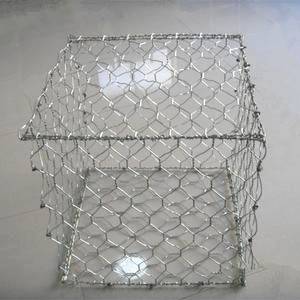
Put simply, a 6x6 10 gauge wire mesh refers to a grid-like sheet made by weaving or welding wires spaced 6 inches apart both vertically and horizontally, with each wire approximately 0.135 inches thick (that’s the 10 gauge specification). This thickness gives it good strength while remaining flexible enough to handle curves or uneven ground.
This mesh is widely used in reinforcing concrete, fencing, cages, and partitions. Its versatility ties closely to modern construction and safety standards, helping engineers meet requirements without overspending or overengineering the design.
Mini Takeaway
The precise spacing (6x6) and thickness (10 gauge) create a perfect balance of strength and flexibility, making the mesh essential across many industries.
Core Factors Affecting 6x6 10 Gauge Wire Mesh Price
1. Material Quality and Coating
The base steel quality and any protective coatings (galvanized, PVC, or stainless) affect price considerably. Higher grades mean better corrosion resistance but cost more.
2. Manufacturing Processes
Welded mesh tends to be pricier than woven, but offers greater rigidity. The method chosen depends on application demands.
3. Market Demand and Supply Chain
Global production of steel and tariffs can swing prices drastically. For example, a lean supply combined with high demand during construction booms hikes prices.
4. Dimensions and Orders
While 6x6 spacing is standard, custom sizes or thickness adjustments influence costs, as does bulk ordering, which usually yields better per-unit pricing.
5. Transportation and Logistics
Shipping bulky wire mesh can be costly, especially to remote regions, adding to the final price.
6. Environmental and Sustainability Factors
Producers adopting greener processes may charge more upfront, but this can translate into longer-lasting products.
Mini Takeaway
Price is no simple number; it’s a dance between quality, process, demand, and delivery.
How Is 6x6 10 Gauge Wire Mesh Used Around the World?
The uses of this wire mesh stretch from rural farms in Africa securing livestock to sprawling highway projects in Europe reinforcing concrete. NGOs often deploy fencing made from 6x6 10 gauge mesh for temporary shelters or safe zones in post-disaster relief situations, thanks to its quick setup and reliability.
In industrial zones of South America, it serves as perimeter protection against theft and wildlife intrusions, which is critical to safeguarding expensive equipment. Meanwhile, architects have integrated it into modern interiors as an aesthetic yet functional barrier.
Oddly enough, in some post-conflict zones, this mesh also doubles to deter mines or mark dangerous areas, highlighting its humanitarian importance beyond basic construction.
Mini Takeaway
Its practical and symbolic versatility makes 6x6 10 gauge wire mesh a quiet backbone in infrastructure, safety, and humanitarian sectors worldwide.
Advantages and Long-Term Value of Choosing 6x6 10 Gauge Wire Mesh
- Cost-Effectiveness: Provides long-term savings by reducing maintenance and replacement frequency.
- Durability: Resists weather, wear and tear, and corrosion (especially when galvanized).
- Safety: Creates secure boundaries that protect lives and property.
- Sustainability: Many manufacturers now incorporate recycled steel, lowering environmental impact.
- Adaptability: Flexible to install on irregular terrain or incorporate into modular construction.
- Trust: Proven performance makes it the trusted choice for engineers and contractors alike.
The emotional piece can’t be overstated: a reliably installed fence or concrete reinforcement can mean peace of mind, safety for families, or quicker rebuilding after disruptions.
Product Specification Table
| Feature | Specification | Notes |
|---|---|---|
| Wire Gauge | 10 gauge (~0.135 inch diameter) | Standard thickness for strength/flexibility balance |
| Mesh Spacing | 6x6 inches (Vertical x Horizontal) | Common industrial and fencing size |
| Material | Galvanized steel / PVC-coated options | Corrosion protection affects price |
| Roll Dimensions | 4 ft height x 100 ft length typical | Custom sizes available on request |
| Weight | Approx. 10.5 lbs per linear foot | Impacts shipping cost |
Comparing Top Vendors for 6x6 10 Gauge Wire Mesh Price
| Vendor | Price per Roll (USD) | Delivery Time | Geographic Coverage | Warranty/Support |
|---|---|---|---|---|
| SteelMeshPro | $300 | 3-5 business days | North America, Europe | 5-year corrosion warranty |
| WireWorld Ltd. | $280 | 1-2 weeks | Global shipping | 2-year limited warranty |
| EcoMesh Suppliers | $320 | 1 week | Europe, Asia | Sustainability certification included |
Future Trends: What’s Next for 6x6 10 Gauge Wire Mesh Price and Materials?
With growing emphasis on sustainability, manufacturers are investing in recycled steel and eco-coatings. Automation in mesh production promises more consistent quality and potentially lower prices.
And digital tracking systems — think blockchain or IoT-enabled supply chains — are poised to add transparency to pricing and delivery, which may stabilize costs for buyers worldwide.
On a more futuristic note, there’s exploration into hybrid materials mixing steel with polymers for even better corrosion protection without weight gain. It feels like the 6x6 10 gauge wire mesh’s story is just beginning.
Common Challenges and How Industry Moves Forward
Supply volatility, especially due to geopolitical tensions or raw material scarcity, still affects prices unpredictably. Quality control in some regions can be inconsistent, leading to premature failures.
But innovations in testing standards (ISO 9001 compliance is becoming the norm) and international partnerships help mitigate risks. Smart inventory management and local stocking hubs are practical solutions many companies adopt.
FAQ: Common Questions About 6x6 10 Gauge Wire Mesh Price
- Q: What factors most impact the cost of 6x6 10 gauge wire mesh?
- A: Material grade, coating type, manufacturing process (welded vs woven), and market demand are primary drivers of price fluctuations.
- Q: How long does 6x6 10 gauge wire mesh typically last in outdoor environments?
- A: With proper galvanization or PVC coating, it can last 15–25 years even in harsh weather conditions.
- Q: Are there eco-friendly options for this type of wire mesh?
- A: Yes, many suppliers offer meshes with recycled steel content and environmentally friendly coatings, contributing to sustainability goals.
- Q: Can this wire mesh be customized for different mesh spacing or thickness?
- A: Most manufacturers provide custom orders, but standard 6x6 spacing with 10 gauge thickness remains most cost-effective.
- Q: Is shipping wire mesh expensive for bulk orders?
- A: Shipping costs can vary based on location and order size, but bulk buying typically reduces per-unit transportation expenses.
Bringing It All Together
The 6x6 10 gauge wire mesh price might sound like a dry subject, but in reality, it encapsulates a web of industrial, economic, and even humanitarian narratives. Choosing the right wire mesh means balancing durability, cost, and availability — factors that ultimately protect investments, people, and progress.
Whether you’re an engineer budgeting a massive infrastructure project or an NGO planning safe housing for displaced families, understanding this price—and what affects it—can make all the difference.
Curious to explore current options and get real-time pricing? Visit our site for detailed offers and expert advice: 6x6 10 gauge wire mesh price.
References
-
The Ultimate Guide to Hardware Cloth 1x1 Versatility and Strength
NewsApr.16,2026
-
Ultimate Guide to hardware cloth 1 4 mesh for Strength and Versatility
NewsApr.09,2026
-
Comprehensive Guide to Hardware Cloth 1/4 Inch Mesh for Versatile Applications
NewsApr.07,2026
-
Comprehensive Guide to Hardware Cloth 1 2 Inch Mesh 36 Applications and Benefits
NewsApr.04,2026
-
Comprehensive Guide to Gi Wire Mesh for Fencing and Its Applications
NewsMar.31,2026
-
Comprehensive Guide to GI Square Mesh Applications and Benefits
NewsMar.28,2026