
Apr . 07, 2026 02:25 Back to list
Comprehensive Guide to Hardware Cloth 1/4 Inch Mesh for Versatile Applications
Understanding Hardware Cloth: A Guide to 1/4 Inch Mesh
When selecting fencing or protective material for your projects, hardware cloth is a versatile and reliable option. Specifically, the 1/4 inch mesh size offers a balance between security and usability. This article will explore the characteristics, applications, and benefits of this popular mesh size, helping you determine if it's the right choice for your needs. From protecting gardens to securing animal enclosures, we'll cover everything you need to know about using hardware cloth 1/4 inch mesh effectively.
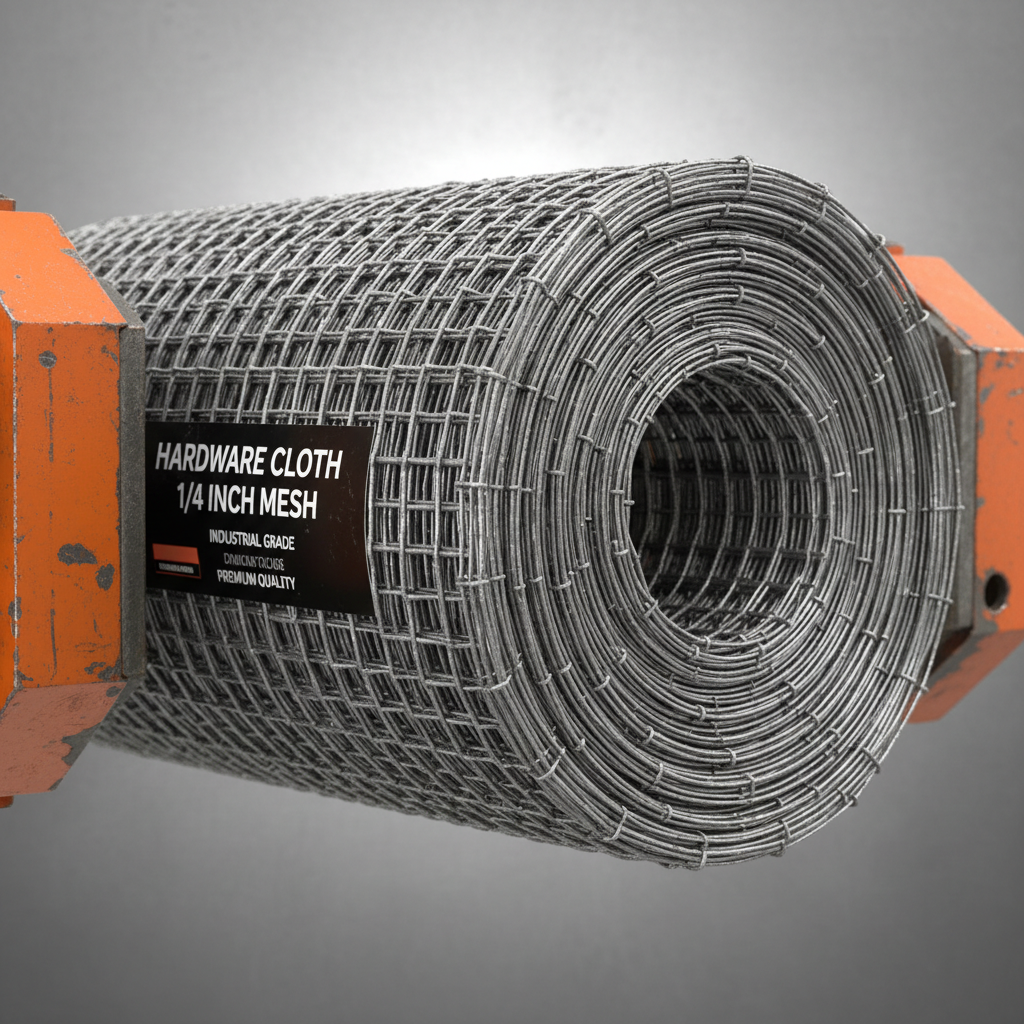
What is Hardware Cloth and Why Choose 1/4 Inch Mesh?
Hardware cloth is a heavy-duty wire mesh woven into a grid pattern. Unlike chicken wire, which is twisted, hardware cloth is securely woven, making it significantly stronger and more durable. The mesh size refers to the space between the wires, measured in inches. A 1/4 inch mesh provides a tighter weave than larger mesh sizes, offering enhanced security and protection against smaller pests and animals. This makes it ideal for applications where preventing entry is crucial. Choosing the right mesh size depends on the specific application; smaller meshes offer more protection but can be more expensive and harder to work with. Hardware Instore provides a wide selection of hardware cloth, including various mesh sizes and materials.
Key Benefits of 1/4 Inch Mesh: Strong, durable, excellent pest control, versatile for many projects, readily available.
Common Applications for Hardware Cloth 1/4 Inch Mesh
The 1/4 inch mesh size is particularly well-suited for a variety of applications. Protecting gardens from rabbits, squirrels, and other small animals is a common use. It's also excellent for creating secure animal cages, whether for chickens, rodents, or other pets. In construction, it can be used for reinforcing stucco or concrete, and in DIY projects, it's great for crafting screens or cages. Its robust nature also makes it suitable for gutter guards, preventing leaves and debris from clogging drainage systems. Proper installation is key for effective use; ensuring a tight fit and secure fastening will maximize the benefits of this versatile material.
Application Examples:
• Garden pest protection
• Animal cage construction
• Gutter guards
• Reinforcing materials
Hardware Cloth 1/4 Inch Mesh: Materials and Gauge Comparison
Hardware cloth is available in various materials, with galvanized steel being the most common due to its rust resistance. Stainless steel is another option, offering superior corrosion protection, but at a higher cost. The “gauge” of the wire refers to its thickness; lower gauge numbers indicate thicker wire. For heavier-duty applications, a lower gauge (e.g., 19 gauge) is recommended. For lighter applications, a higher gauge (e.g., 24 gauge) may suffice. Choosing the right material and gauge depends on the level of durability and corrosion resistance required for your project. The table below provides a comparison of common materials and gauges.
Installation Tips for Hardware Cloth 1/4 Inch Mesh
Proper installation is critical for ensuring the effectiveness of your hardware cloth. Always wear gloves to protect your hands from sharp edges. Use wire cutters or tin snips to cut the cloth to the desired size. When fastening, use staples, screws, or wire ties, ensuring they are flush with the surface to prevent injury. Overlap the edges of the cloth by at least 1 inch for added strength. For larger areas, consider using a hardware cloth stretcher to ensure a taut and even surface. Properly installed hardware cloth 1/4 inch mesh will provide years of reliable protection.
Conclusion: Choosing the Right Hardware Cloth
The 1/4 inch mesh hardware cloth is a versatile and durable solution for a wide array of projects. Its strength, pest resistance, and adaptability make it a smart investment for gardeners, homeowners, and professionals alike. By understanding the different materials, gauges, and installation techniques, you can choose the right hardware cloth for your specific needs and ensure a long-lasting and effective result. Hardware Instore offers a comprehensive selection of high-quality hardware cloth to meet any project requirement.
Frequently Asked Questions (FAQs)
What is the difference between hardware cloth and chicken wire?
The key difference lies in the construction. Chicken wire is twisted together, creating large, flexible openings. Hardware cloth is woven, resulting in a much stronger, more rigid mesh. This weaving process makes hardware cloth significantly more durable and effective at preventing entry by smaller pests. While chicken wire is cheaper, hardware cloth offers superior protection and longevity, making it a better choice for applications where security is paramount.
How do I prevent rust on galvanized hardware cloth?
While galvanized steel offers good corrosion resistance, it can still rust over time, especially in harsh environments. To prevent rust, you can apply a protective coating, such as zinc-rich paint or a rust inhibitor. Regularly cleaning the hardware cloth with a mild detergent and water can also help remove corrosive substances. For long-term protection, consider using stainless steel hardware cloth, which is inherently resistant to rust.
What tools are needed to cut and install hardware cloth?
You'll need a few essential tools for cutting and installing hardware cloth. Wire cutters or tin snips are necessary for making clean cuts. Gloves are essential to protect your hands from sharp edges. A staple gun, screws, or wire ties are used for fastening the cloth in place. A measuring tape and marker will help you accurately measure and mark the required size. For larger areas, a hardware cloth stretcher can help ensure a taut and even installation.
Is 1/4 inch mesh suitable for keeping out mice?
Yes, 1/4 inch mesh is generally effective at keeping out mice. However, mice are resourceful and can sometimes squeeze through small openings. For the best protection, ensure there are no gaps or weak points in the installation. Overlapping the edges of the hardware cloth and securing it tightly to surrounding structures are crucial. Consider using a combination of hardware cloth and other pest control methods for comprehensive protection.
-
The Ultimate Guide to Hardware Cloth 1x1 Versatility and Strength
NewsApr.16,2026
-
Ultimate Guide to hardware cloth 1 4 mesh for Strength and Versatility
NewsApr.09,2026
-
Comprehensive Guide to Hardware Cloth 1 2 Inch Mesh 36 Applications and Benefits
NewsApr.04,2026
-
Comprehensive Guide to Gi Wire Mesh for Fencing and Its Applications
NewsMar.31,2026
-
Comprehensive Guide to GI Square Mesh Applications and Benefits
NewsMar.28,2026