
Mar . 31, 2026 02:25 Back to list
Comprehensive Guide to Gi Wire Mesh for Fencing and Its Applications
Gi Wire Mesh for Fencing: A Comprehensive Guide
When choosing the right fencing solution, Gi wire mesh (Galvanized Iron wire mesh) stands out for its durability, affordability, and versatility. It’s a popular choice for a wide range of applications, from agricultural fencing to security barriers. This article provides a comprehensive overview of gi wire mesh for fencing, covering its benefits, types, applications, installation tips, and where to find high-quality options. Explore the world of robust and reliable fencing solutions with Hardwareinstore.com, your trusted source for all your hardware needs.
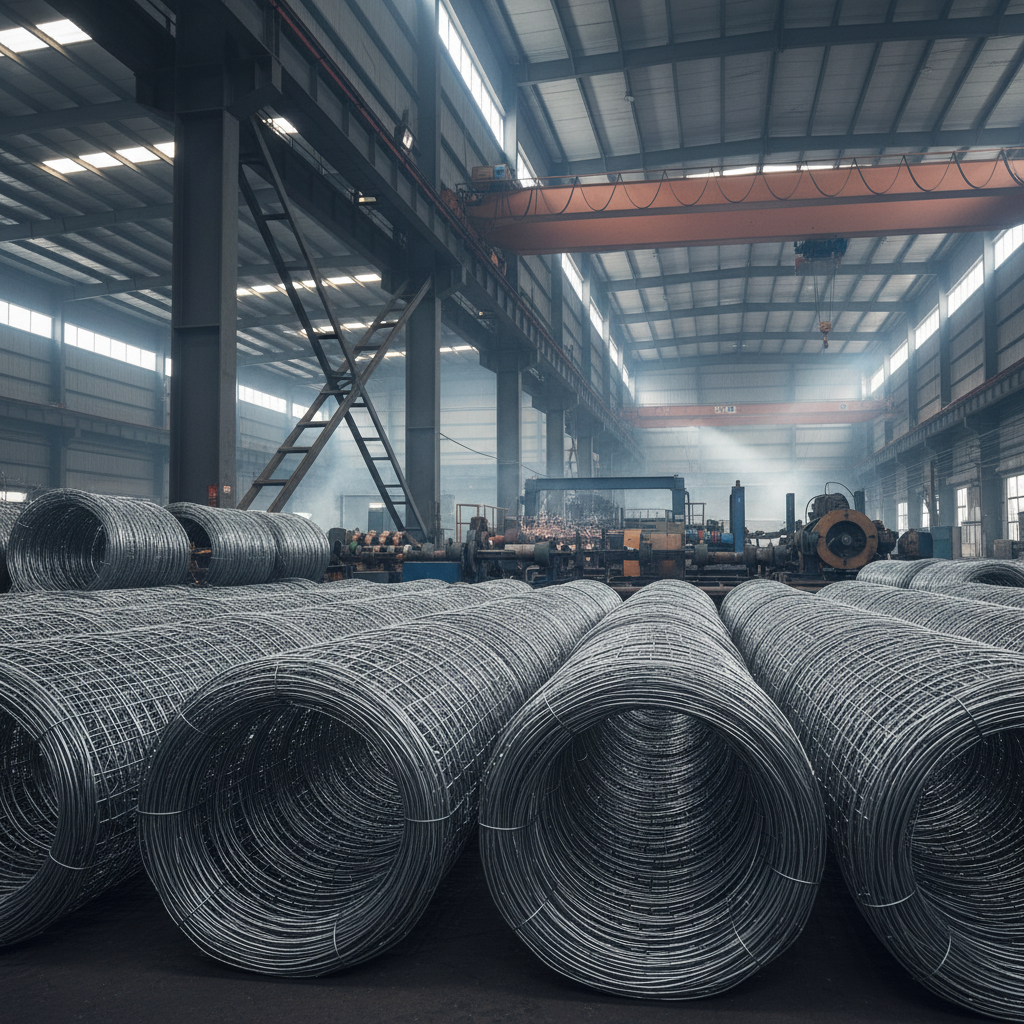
Understanding Gi Wire Mesh: What It Is and Why It's Ideal for Fencing
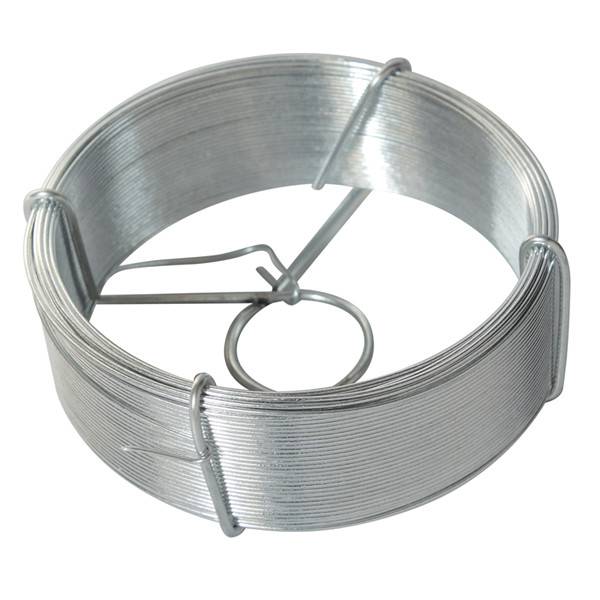
Gi wire mesh, also known as galvanized wire mesh, is a woven wire fabric made from iron wire that has been coated with zinc. This galvanization process provides excellent corrosion resistance, making it suitable for outdoor use. The zinc coating acts as a barrier, protecting the underlying iron from rust and weathering. This makes gi wire mesh a long-lasting and cost-effective fencing solution compared to other materials like wood or aluminum. It's frequently used for perimeter fencing, animal enclosures, and security applications due to its strength and durability.
Key Benefits: Superior corrosion resistance, cost-effective, durable, versatile, easy to install, and long-lasting.
Types of Gi Wire Mesh for Fencing
Gi wire mesh comes in various types, each suited for different fencing applications. Understanding these differences will help you select the best option for your needs. Common types include:
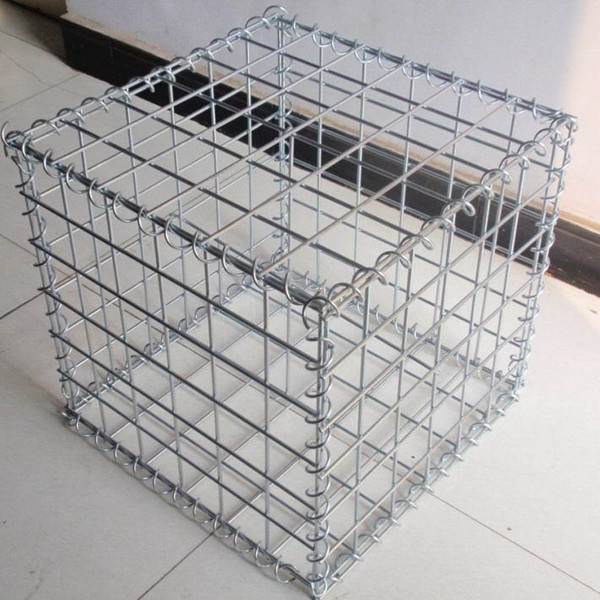
- Welded Wire Mesh: This type is created by welding wires at each intersection, resulting in a strong and rigid panel. It’s often used for livestock fencing and security applications.
- Woven Wire Mesh: Made by weaving wires over and under each other, creating a flexible and durable fabric. This is ideal for general-purpose fencing and animal control.
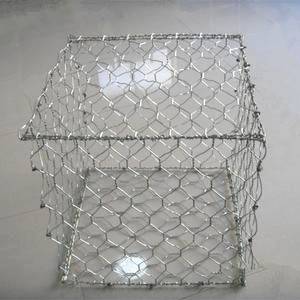
- Hexagonal Wire Mesh (Chicken Wire): Features a hexagonal opening pattern, commonly used for poultry fencing, garden protection, and craft projects. While economical, it's less robust than welded or woven wire.
- Chain Link Fence: Although technically a different product, chain link is often galvanized and shares the benefits of gi wire, offering robust security.
Gi Wire Mesh vs. Other Fencing Materials
Comparing gi wire mesh with other popular fencing materials highlights its advantages. Consider these factors:
Applications of Gi Wire Mesh Fencing
The versatility of gi wire mesh makes it suitable for a wide array of fencing applications:
- Agricultural Fencing: Containing livestock, protecting crops from animals.
- Perimeter Security: Defining property boundaries and deterring trespassers.
- Garden Fencing: Protecting plants from pests and creating a defined garden space.
- Poultry Fencing: Creating secure enclosures for chickens and other poultry.
- Industrial Fencing: Securing industrial sites and equipment.
Installing Gi Wire Mesh Fencing: A Basic Guide
Installing gi wire mesh fencing is a relatively straightforward process. Here's a basic outline:
- Mark the Fence Line: Clearly define the area where the fence will be installed.
- Install Fence Posts: Space posts appropriately (typically 8-10 feet apart) and securely set them in the ground.
- Attach the Wire Mesh: Unroll the mesh and attach it to the posts using staples, tie wires, or tension bands.
- Tension the Mesh: Ensure the mesh is taut and secure.
- Add Finishing Touches: Install any necessary gates or accessories.
Conclusion: Choose Gi Wire Mesh for Reliable and Cost-Effective Fencing
Gi wire mesh offers a compelling combination of durability, affordability, and versatility. Whether you're securing a property, protecting livestock, or creating a garden barrier, it's an excellent fencing solution. Browse our extensive selection of gi wire mesh and fencing supplies at Hardwareinstore.com and find the perfect fit for your needs!
Frequently Asked Questions (FAQs)
What is the gauge of gi wire mesh, and how does it affect its strength?
The gauge of gi wire mesh refers to the thickness of the wire. A lower gauge number indicates a thicker, stronger wire. For example, 14-gauge wire is thicker and more robust than 18-gauge wire. Choosing the right gauge depends on the application. Heavier-duty applications like livestock fencing require lower gauge wire for increased strength and durability. Lighter applications like garden fencing can utilize a higher gauge wire to reduce cost. Understanding the gauge allows you to select mesh suitable for withstanding intended stress and environmental factors.
How long does gi wire mesh fencing typically last?
The lifespan of gi wire mesh fencing can vary depending on factors like the quality of the galvanization, environmental conditions, and maintenance. However, with proper installation and minimal maintenance, gi wire mesh can easily last 10-20 years or even longer. Regular inspection for corrosion or damage is important, and addressing any issues promptly will extend the fence's lifespan. Choosing a thicker galvanization coating will also enhance longevity, especially in harsh climates.
Is gi wire mesh safe for animals?
Generally, gi wire mesh is safe for animals, but it's crucial to select the appropriate mesh size and wire gauge. For smaller animals, a smaller mesh opening is necessary to prevent them from escaping or getting injured. The wire edges should be smooth to avoid cuts or abrasions. For livestock, using a heavier gauge wire will reduce the risk of breakage and ensure the fence remains secure. Always consider the specific needs of the animals when choosing gi wire mesh for their enclosure.
Can gi wire mesh fencing be painted?
While gi wire mesh is corrosion-resistant, it can be painted for aesthetic purposes or to add an extra layer of protection. However, proper preparation is crucial. The mesh must be thoroughly cleaned and free of any rust or grease. Use a paint specifically designed for galvanized metal to ensure proper adhesion. Applying a primer first can also improve paint adhesion and longevity. Keep in mind that painting might slightly reduce the corrosion resistance over time.
-
The Ultimate Guide to Hardware Cloth 1x1 Versatility and Strength
NewsApr.16,2026
-
Ultimate Guide to hardware cloth 1 4 mesh for Strength and Versatility
NewsApr.09,2026
-
Comprehensive Guide to Hardware Cloth 1/4 Inch Mesh for Versatile Applications
NewsApr.07,2026
-
Comprehensive Guide to Hardware Cloth 1 2 Inch Mesh 36 Applications and Benefits
NewsApr.04,2026
-
Comprehensive Guide to GI Square Mesh Applications and Benefits
NewsMar.28,2026