
Nov . 05, 2024 20:38 Back to list
gabion wire gauge
Understanding Gabion Wire Gauge Essential Insights for Effective Applications
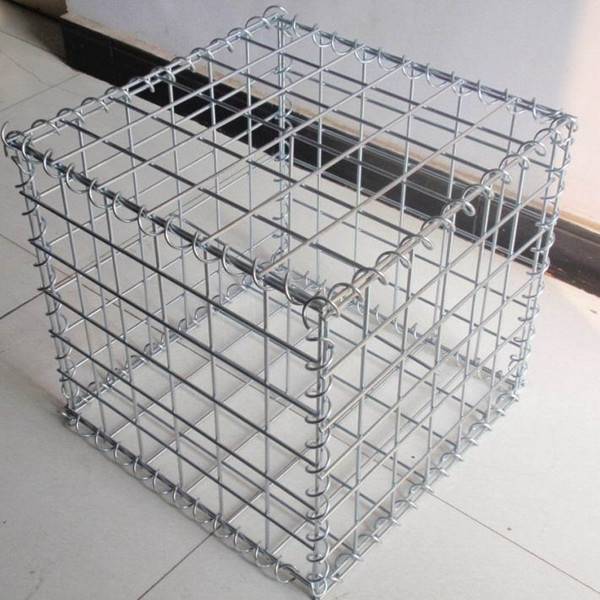
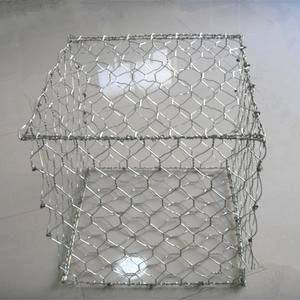
Gabions have emerged as a versatile solution in civil engineering, landscape architecture, and environmental protection. These wire mesh containers, filled with rock or other materials, serve numerous purposes, from erosion control to aesthetic enhancements in landscaping. One key factor that influences the effectiveness and durability of gabions is their wire gauge, which determines the strength and overall performance of the structure.
Wire gauge refers to the thickness of the wire used in the construction of gabion cages. The gauge is typically measured using the American Wire Gauge (AWG) system or millimeter specifications; a smaller gauge number signifies a thicker wire, whereas a larger number corresponds to a thinner wire. In the context of gabions, common wire gauges range from 6 AWG (approximately 4.11 mm) to 12 AWG (approximately 2.05 mm). Understanding the appropriate wire gauge for specific applications is crucial to ensuring the stability and longevity of gabion structures.
Thicker wires, often ranging from 6 to 8 AWG, are utilized for projects that demand greater strength and resilience. Such applications include high-traffic areas, steep slopes, and locations that encounter significant hydrostatic pressure, such as riverbanks or coastal regions. These thicker wires enhance the structural integrity of the gabions, reducing the risk of deformation or collapse under heavy loads or harsh environmental conditions.
gabion wire gauge
Conversely, thinner wires, generally in the range of 10 to 12 AWG, are suitable for less demanding applications. They can be effectively used for decorative elements, low-impact landscaping, and minor erosion control projects. While they may not withstand the same forces as thicker wires, properly designed gabion systems with thinner wires can still provide adequate performance in less strenuous environments. It is essential to balance material costs and strength requirements when selecting the appropriate wire gauge, ensuring that projects remain within budget while meeting structural needs.
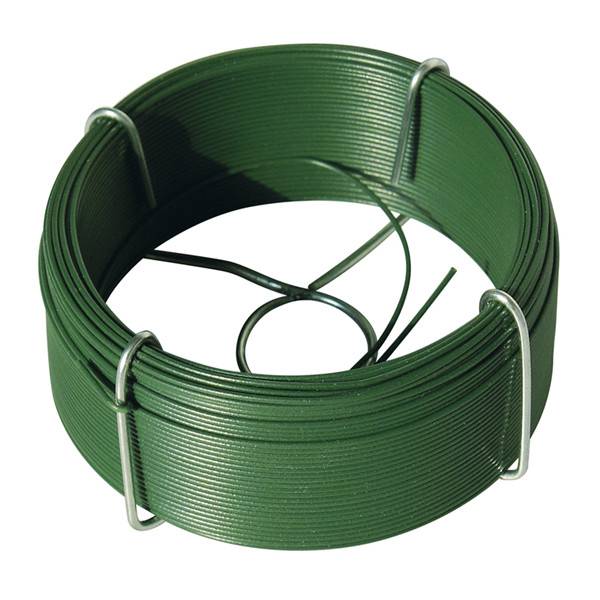
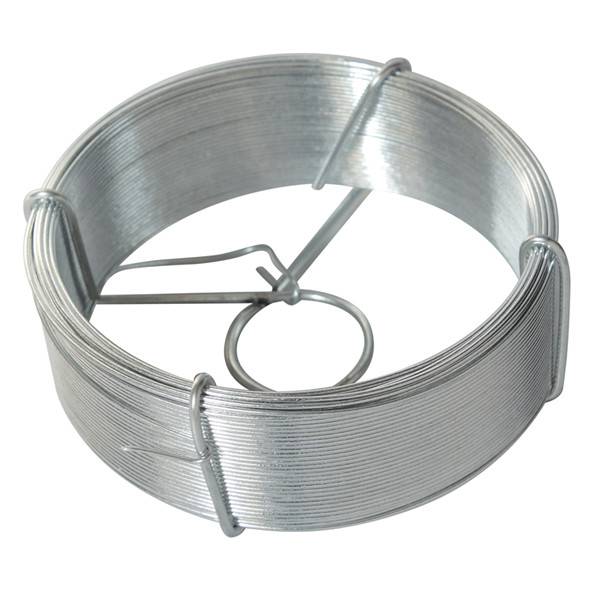
Another significant factor to consider is the type of coating on the wire. Galvanization, PVC coating, and other protective treatments can significantly enhance the corrosion resistance of gabion wires, extending the lifespan of the structures. For example, galvanized wires can last decades in exposed environments, while PVC-coated wires offer additional protection against corrosion and improve aesthetic appeal.
When selecting gabion wire gauge, it is also crucial to consider local conditions, such as soil type, climate, and water flow patterns. A detailed site analysis can assist in determining the appropriate wire gauge and coating type, ensuring robust designs that can withstand environmental challenges.
In summary, the choice of gabion wire gauge plays a pivotal role in the effectiveness and durability of gabion structures. By understanding the implications of different wire gauges, project planners and engineers can make informed decisions that will enhance the performance of gabions in various applications. Whether for erosion control, sound barriers, or decorative landscaping, the right wire gauge combined with effective design will ensure successful outcomes and lasting benefits.
-
How to Choose Chain Link Fence for Mesh Size, Wire and Use
NewsNov.23,2026
-
Garden Border Fence or Steel Palisade Gate: Which Fit Suits Your Site?
NewsNov.17,2026
-
PVC Coated Iron Wire or 3D Fence Panels: Match the Format to the Job
NewsNov.09,2026
-
Garden Wire Fencing PVC Coated: Buyer Questions Answered
NewsNov.03,2026
-
PVC Coated Hexagonal Wire Netting vs. Galvanized Hexagonal Chicken Wire Mesh: Mesh Geometry, Coatings and Installation Requirements
NewsOct.29,2026
-
3D Euro Panel Fence Manufacturer Selection Guide: Opening Size, Wire Diameter and PVC Coated Panel Applications
NewsOct.27,2026