Premium Wholesale Galvanized Hexagonal Wire Mesh for Fencing
When securing perimeters for livestock or delineating boundaries in agricultural landscapes, the choice of fencing material directly impacts long-term maintenance costs and operational security. For many commercial operators, balancing tensile strength with atmospheric corrosion resistance is the primary challenge. High-tensile steel treated with zinc coatings provides a critical barrier against oxidation, ensuring that boundary markers remain structural intact even in humid or coastal environments.
Modern security fencing often integrates various wire configurations to meet specific deterrent needs. From the flexibility of hexagonal structures to the aggressive deterrent of razor-sharp blades, selecting the right specification depends on the target intruder—whether it be small livestock, garden pests, or unauthorized human entry. Understanding the interplay between wire diameter, surface treatment, and mesh geometry is essential for procurement managers aiming to optimize their investment in metal fencing solutions.

The Technical Role of Galvanization in Metal Wire Fencing
The durability of any outdoor metal structure depends heavily on its surface treatment. Galvanization—the process of applying a protective zinc coating to steel—is the industry standard for preventing rust and oxidation. In the context of wire mesh and fencing, this layer acts as a sacrificial anode, meaning the zinc corrodes first, protecting the underlying low-carbon steel from atmospheric damage.
For applications requiring even higher resilience, such as chemical-heavy environments or extreme weather, a combined treatment of galvanization followed by a PVC coating is often employed. This dual-layer approach provides:
- Enhanced Corrosion Shielding: PVC adds a physical barrier that prevents moisture from reaching the metal core.
- Aesthetic Flexibility: Different colors can be used to blend the fence into garden landscapes or signify specific zones.
- Extended Service Life: Reducing the frequency of replacement cycles in high-moisture areas.
From an engineering perspective, the quality of the raw material—typically low-carbon steel—determines the fence's ability to withstand physical stress without permanent deformation. When combined with precise galvanizing techniques, these materials ensure a stable perimeter that resists the degradation common in industrial and agricultural settings.

Analyzing High-Tensile Deterrents: Barbed and Razor Wire Systems
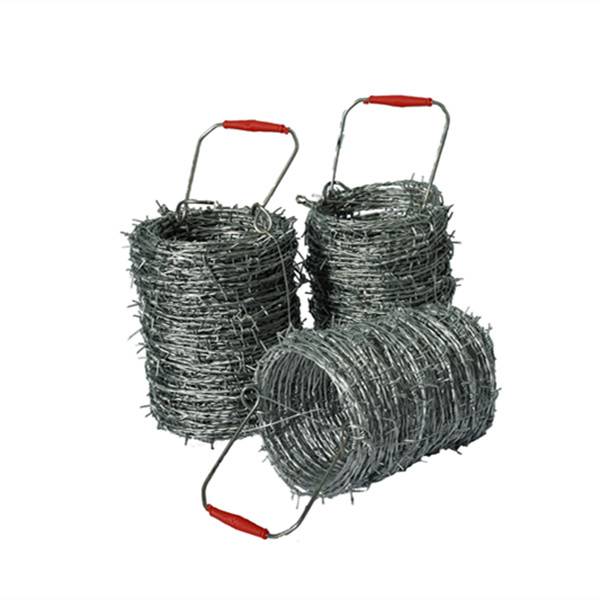
While standard mesh provides a physical boundary, high-tensile barbed wire serves as a psychological and physical deterrent. Fabricated with razor-sharp steel blades, these systems are designed to prevent perimeter intruders by creating a piercing and cutting hazard. These are typically mounted atop walls or as standalone boundaries to secure high-value assets or sensitive areas.
The configuration of these deterrents varies based on the security level required. Single-strand options are common for simple boundary marking, while double-strand configurations—including both single and double wire variations—offer significantly higher resistance. This increased strength allows for greater spacing between fencing posts, reducing overall installation costs without compromising the structural integrity of the barrier.
Key specifications that buyers must evaluate include:
- Barb Length: Typically ranging from 1.5cm to 3cm, affecting the "reach" of the deterrent.
- Wire Diameter: Standard ranges from 1.6mm to 3.2mm, where thicker gauges provide higher resistance to cutting tools.
- Installation Ease: Modern high-tensile wires are designed for rapid deployment, reducing labor hours during large-scale agricultural fencing projects.
Industry Applications: From Agriculture to Industrial Isolation
The versatility of metal wire products allows them to be deployed across diverse sectors. In agriculture, these materials are indispensable for animal husbandry, where they prevent livestock from escaping and protect crops from wild animal intrusions. The flexibility of hexagonal mesh makes it ideal for poultry runs and garden enclosures, while the rigidity of welded wire mesh is preferred for heavier animal containment.
In the industrial sector, the focus shifts toward isolation and safety. Barbed wire and razor blades are used for highway and railway isolation protection, ensuring that unauthorized personnel do not enter dangerous transit corridors. The ability to withstand bad weather conditions makes these products suitable for permanent installations in plantations, dwelling houses, and industrial complexes.
Choosing the right product requires matching the material to the scenario:
- Garden/Residential: PVC coated mesh for aesthetics and mild corrosion resistance.
- Animal Protection: Galvanized hexagonal wire for flexibility and cost-efficiency.
- High Security: High-tensile galvanized barbed wire for maximum deterrent capability.
Technical Selection Criteria for Wire Fencing
| Application Scenario | Recommended Material | Surface Treatment | Primary Benefit |
|---|---|---|---|
| Poultry/Gardens | Hexagonal Wire Mesh | Galvanized / PVC | Flexibility & Cost |
| Railway Isolation | High-Tensile Barbed | Hot-Dip Galvanized | Intruder Deterrence |
| Animal Husbandry | Welded Wire Mesh | Galvanized | Structural Rigidity |
| Coastal Perimeters | Steel Wire | Galvanized + PVC | Salt-Spray Resistance |
| General Boundary | Iron Wire | Galvanized | Standard Protection |
Procurement Logistics and Quality Control Standards
For wholesale buyers, the quality of the supply chain is as important as the product itself. Consistency in wire gauge and the uniformity of the zinc coating are the two most critical quality markers. Variations in diameter can lead to weak points in the fence, while uneven galvanization creates "hot spots" where rust can begin to penetrate, compromising the entire installation.
Professional exporters manage these risks through rigorous pre-delivery inspections. Ensuring that materials are sourced from reputable nearby factories reduces transit damage and allows for tighter quality control over the raw low-carbon steel. For bulk orders, packaging is a key logistical consideration; wrapping products in plastic film internally with hessian cloth or woven bags externally prevents moisture ingress and abrasion during maritime shipping via ports like Tianjin.
When evaluating a wholesale partner, buyers should verify:
- Leading Times: Typical windows of 15-30 days are standard for processed metal goods.
- Sample Availability: The ability to provide samples for tensile testing before full-scale production.
- Payment Flexibility: Support for T/T, Advance TT, and Paypal to facilitate international trade.
Future Trends in Perimeter Security Materials
The industry is moving toward "smart" boundaries and hybrid materials. While traditional galvanized steel remains the backbone of the industry, there is a growing demand for customized coatings that offer antimicrobial properties for animal husbandry or higher UV resistance for PVC layers in tropical climates. This evolution is driven by the need to reduce the total cost of ownership over a 10-20 year lifespan.
Furthermore, the integration of innovative operations in R&D is allowing for the creation of wire mesh with variable density, providing higher security at the base and lower visibility at the top. This caters to the modern need for "invisible" security in residential and garden products, where safety must not compromise the aesthetic value of the landscape.
For those looking at wholesale galvanized hexagonal wire mesh, the trend is toward tighter tolerances and more sustainable galvanizing processes that reduce environmental impact while maintaining the same level of oxidation protection. As global markets in Europe, the USA, and Africa expand, the demand for standardized, high-quality metal fencing continues to rise.
Frequently Asked Questions About Metal Fencing
What is the difference between galvanized and PVC coated wire mesh?
Galvanized wire is coated in zinc to prevent rust. PVC coated wire has an additional plastic layer over the zinc, providing extra protection against harsh weather and a choice of colors for aesthetic purposes.
How does high-tensile barbed wire improve perimeter security?
It uses stronger steel and sharper blades to act as a physical and psychological deterrent, making it difficult and painful for intruders to climb or cut through compared to standard wire.
Which material is best for animal protection in agriculture?
Hexagonal wire mesh is ideal for smaller animals due to its flexibility, while welded wire mesh or galvanized barbed wire is better for larger livestock requiring more structural strength.
Can I customize the wire diameter and barb length for bulk orders?
Yes, professional suppliers typically offer wire diameters from 1.6mm to 3.2mm and barb lengths from 1.5cm to 3cm to meet specific security requirements.
What are the standard shipping and packaging methods for bulk wire products?
Products are typically packed in 25kg coils, wrapped in plastic film internally and protected by hessian cloth or woven bags externally for safe sea freight.
How long does the leading time usually take for international wholesale orders?
The standard leading time is generally between 15 to 30 days, depending on the order volume and specific surface treatment requirements.
Technical References & Industry Standards
- ASTM International - Metal Standards
- ISO Standards for Zinc Coatings on Steel
- World Steel Association - Material Properties
- Global Fencing Industry Guidelines
Whether you are upgrading industrial security or establishing agricultural boundaries, the right combination of material and coating is paramount. Hebei Xinteli provides a comprehensive range of high-quality metal fencing solutions tailored to global market demands.
Related Industry Insights